Bansko in Winter: Skiing, Lift Passes, Where to Stay and a 4-Day Budget
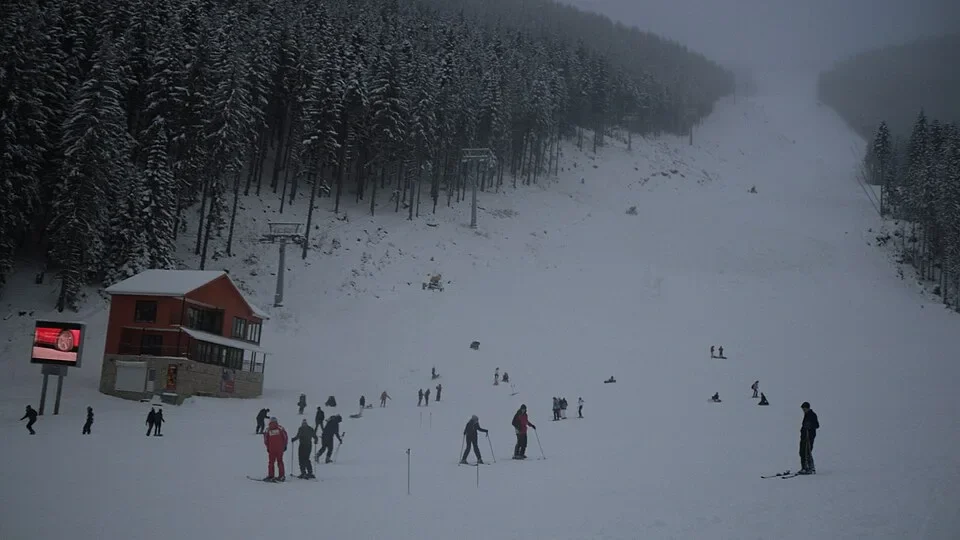
Bansko can still deliver a relatively affordable European ski break, but it should no longer be sold as absurdly cheap skiing. The lift pass is now a substantial part of the trip. The value comes from the full package: accommodation can remain competitive, eating out is easier to control than in many large Alpine resorts, equipment rental is manageable and Sofia gives you a practical airport gateway when the transfer is planned properly.
Best for: beginners, intermediates and mixed groups wanting three solid ski days rather than a week in a huge linked domain.
Where to stay: walking distance from the gondola if skiing is the priority. Old Bansko is more atmospheric at night, but adds a shuttle or a longer morning journey.
Main weakness: the gondola from town is the resort's obvious bottleneck on busy mornings. Hotel location and departure time matter almost as much as room price.
Decide before booking
Is Bansko still a cheap ski resort?
It is good value when you compare the whole trip, not the lift pass in isolation. During the main 2025–26 winter period, an adult pass cost €59 for one day, €172 for three and €228 for four. For a couple skiing for three days, passes alone were already €344.
The equation improves once rooms, food and rental are added. Bansko still allows you to combine a modest hotel close to the lift with locally priced dinners and sensible equipment rental without automatically reaching the cost structure of major Western Alpine resorts. That is where the destination keeps its budget advantage.
Door-to-door logistics matter just as much. A very cheap flight to Sofia is poor value if it lands after the last useful shared transfer and forces an airport night. Conversely, paying a little more for a hotel that lets you walk to the gondola can protect an hour of skiing every morning.

.jpg)
Terrain before statistics
What is skiing in Bansko actually like?
Bansko is compact by big-Alps standards but varied enough for three or four days when your aim is to ski well rather than collect piste kilometres. The main terrain is organised around Shiligarnik, Plato, Todorka, Banderitsa and Chalin Valog. The official lift list includes Plato, Todorka, Shiligarnik, Banderitsa 1 and 2, Mosta and Chalin Valog, while Kempinski describes access to around 75 km of runs from the gondola opposite the hotel.
Beginners get the most from lessons, repetition and manageable sectors. Intermediates have enough blue and red terrain to keep a short break interesting. Strong skiers can find steeper sections and enjoy a few fast days, but should not expect the scale and route variety of a giant linked Alpine domain for a full week.
Check live openings every morning. Wind, visibility, snow cover and grooming can change which lifts and pistes make sense. The official website carries lift status, a map and webcams; use them while you are still at breakfast.
The fixed ski cost
Lift passes: latest complete official prices
| Duration | Adult | Student / age 12–18 / retiree under 75 | Child 7–11 | Best use |
|---|---|---|---|---|
| 1 day | €59 | €53 | €30 | Useful as a test day, weak value if the whole trip exists only for one ski day. |
| 2 days | €115 | €103 | €56 | Works for a very short Sofia-based weekend. |
| 3 days | €172 | €153 | €83 | The most logical match for a 4-day / 3-night trip. |
| 4 days | €228 | €203 | €110 | Better with four nights so all four ski days are actually usable. |
Those rates applied from 27 December 2025 to 31 March 2026. From 1 April 2026, the adult price dropped to €45 for one day and €173 for four. A spring discount is only a bargain if open terrain and snow quality still suit your level; never book April solely because the pass is cheaper.
The 2025–26 season was advertised from 1 December to 12 April, with the operator explicitly reserving the right to adjust opening and closing according to weather and snow cover. Treat future dates the same way: a calendar is not a snow guarantee.
The operator also advertised a 10% lift-pass discount with full Ulen ski rental and 15% with full equipment plus an instructor. Package conditions can change, so recalculate them against separate prices for your season rather than building the saving into the trip months in advance.
Equipment and lessons
How much should ski rental cost?
For 2025–26, the official operator listed standard adult skis + boots + poles at €19 for one day, €35 for two, €51 for three and €67 for four days. Four-day higher-category packs were €89 for TOP, €110 for VIP and €134 for ELIT. An adult helmet was listed separately at €8 per day.
There are many independent rental shops around Pirin Street and the gondola. Compare more than the headline price: collection time, overnight storage, boot exchange, opening hours and proximity to your hotel can matter more than saving a few euros. A painful boot should be easy to swap, not require a cross-town journey.
Beginners should protect lesson budget before upgrading skis. The official 2025–26 group-school table listed €185 for four full days of adult group lessons and €123 for four half days. A useful first-morning lesson can improve the entire trip more than premium equipment.
The detail that shapes your morning
The gondola is Bansko's biggest practical weakness
The town does not sit directly on the full ski area. Most visitors funnel through the gondola to Banderishka Polyana. Officially, the lift is 6,233 m long with a stated capacity of 2,000 people per hour. On ordinary days that works; on peak mornings it creates an obvious choke point.
The currently published operating hours show the gondola from 08:30 to 17:00, with ski lifts starting slightly later and closing earlier. Exact operations remain weather- and season-dependent.
Busy dates therefore reward preparation. Pick up equipment the previous evening where possible, know how your pass will be issued, eat before the queue and avoid a long cross-town walk in ski boots. Arriving before opening can reduce risk, but no guide can promise a zero-wait morning during a holiday week.
- Stay close to the gondola if you ski every day.
- Use hotel shuttles intelligently. Confirm exact departure times and whether the shuttle goes merely to the gondola or farther up the road.
- Check live lift status before leaving. Waiting early for terrain that is delayed by wind is not a victory.
- Keep airport transfers separate from your final ski run. Gear return, queues and winter road traffic need margin.

.jpg)
Choose a base, not just a room
Where to stay in Bansko for a 4-day ski break
If skiing drives the trip, prioritise the gondola area and upper Pirin Street. Old Bansko has more character, but distance becomes a real cost at 08:00 when you are carrying equipment. The more days you ski, the more valuable proximity becomes.
Compare Bansko hotels for your dates
This opens directly on Bansko in our hotel search. Check the exact walk to the gondola, ski storage, breakfast time and shuttle details before comparing star ratings.
Boutique Hotel Uniqato: practical value near the lift
Uniqato is currently described as roughly 100 metres from the ski lift and provides ski storage. That is an excellent short-break profile: you are buying time rather than a resort fantasy. Sauna and steam facilities are listed as well, but check the hotel's current clothing and access rules directly if spa etiquette matters to you.
Check Boutique Hotel Uniqato for your dates.
Kempinski Grand Arena: premium convenience opposite the gondola
Kempinski sits directly opposite the gondola station and describes itself as the area's only ski-in/ski-out hotel. It makes most sense when slope access, spa facilities and a polished hotel matter more than keeping room spend low. It makes less sense if paying for it forces you to cut lessons or ski days.
Check Kempinski Grand Arena Bansko.
Lucky Bansko: old-town side with winter shuttle strategy
Lucky Bansko sits farther from the lift but published multiple shuttle departures to the gondola during winter 2025–26, plus bookable road transfers toward Shiligarnika under its conditions. It suits travellers who value a larger spa hotel and town setting. Do not assume last winter's shuttle timetable will repeat: verify your season before booking.
Check Lucky Bansko Aparthotel SPA & Relax.
Per person, excluding flights
A realistic 4-day Bansko budget
The cleanest four-day scenario is 3 nights + 3 ski days. The ranges below assume two people sharing a room, a shared Sofia transfer and normal meals rather than a supermarket-only challenge. Accommodation, meals and transfers are planning ranges; pass and official rental figures use the latest complete 2025–26 tariff.
| Per-person cost | Controlled budget | Comfort | Reasonable premium |
|---|---|---|---|
| 3-day lift pass* | €172 | €172 | €172 |
| Skis + boots + poles | €51 standard | €67 TOP | €83 VIP |
| Helmet, 3 days | €24 | €24 | €24 |
| 3 shared-room nights | €100–160 | €180–280 | €380–600 |
| Food | €90–130 | €130–190 | €200–300 |
| Sofia ↔ Bansko + small local trips | €60–90 | €80–120 | €150–250 |
| Total excluding flights | about €500–625 | about €650–850 | about €1,010–1,430 |
*Pass and rental use the latest complete official 2025–26 rates. Hotel, food and transfer ranges are planning targets, not guaranteed market prices.
What if you want four full ski days?
Four complete ski days usually need four nights and five travel days. The last published adult four-day pass was €228, standard equipment €67 and four days of helmet rental €32. That makes the ski core roughly €327 before accommodation, food and transport.
With a shared room, shared airport transfer and sensible meals, a controlled trip is more realistically around €650–800 per person excluding flights. A better hotel and more restaurant meals move the trip toward €800–1,050; premium gondola-side accommodation can push the total beyond €1,200 very quickly.
Check the cost that moves most
Once published, lift-pass pricing is relatively fixed. Hotel pricing changes sharply with weekends and school holidays. Open Bansko directly, price three or four nights, then rebuild the budget around the real room cost.
Where can you save without making the trip worse?
- Save on room category, not necessarily location. A simpler hotel five minutes from the gondola may beat a prettier apartment requiring transport.
- Rent the equipment level you need. Beginners rarely benefit from the most expensive ski category.
- Mix mountain lunches with simple food. You do not need a full sit-down piste lunch every day.
- Compare Sofia flights door to door. Use our flight comparison page and add ski baggage if you bring your own equipment.
- Do not cut a useful lesson first. Technique can be a better investment than a nicer room or premium skis.
Snow, crowds and price
When is the best time to ski in Bansko?
For a first trip, I would target mid-January to early March, while never treating snow as guaranteed. Christmas and New Year bring atmosphere but also stronger demand. January outside the festive period can offer good room value, while February combines core-winter skiing with heavier school-holiday pressure on some weeks.
March brings longer daylight and sometimes softer weather, but snow quality becomes more dependent on recent temperatures, altitude and exposure. April can be cheaper — as the 2026 pass table showed — but should be booked with spring expectations rather than a promise of deep winter.
Whatever the month, check the official webcams, open-piste list and wind forecast shortly before travel. A flexible short break is more resilient than a plan built around one famous run being open.


Protect ski time
A realistic 4-day Bansko itinerary
Day 1 — Sofia to Bansko, equipment and a calm evening
Land with enough margin for the transfer you actually booked. After check-in, collect skis, boots, helmet and pass where possible, then physically locate the gondola entrance. This is boring preparation with an excellent return: tomorrow starts with skiing rather than administration.
Have dinner in town or along Pirin Street and keep the evening restrained. On a short ski break, the first morning is too valuable to lose to a late arrival night.
Day 2 — first full ski day at the right level
Leave early. Beginners protect their lesson and repeat easy terrain; intermediates can build toward Shiligarnik or Plato depending on openings. Do not cross the whole map just to justify the pass. Use the day to solve boot fit, understand lift connections and identify a sensible lunch stop.
After skiing, swap uncomfortable equipment immediately. Pool, steam room or sauna can be a good recovery option, but check the hotel's clothing rules before entering.
Day 3 — the strongest ski day
You now know the mountain and your pace. Choose a few sectors instead of a rigid grand tour. Stronger skiers can target more demanding pistes when conditions permit; beginners gain more by consolidating technique than chasing vertical.
Spend the evening in old Bansko. The Trinity Church area, stone houses and traditional streets make the town more interesting than a purpose-built resort base and give non-skiers something genuine to explore.
Day 4 — final turns only if the flight allows them
A half day can work with a late flight and a pre-booked transfer. For an afternoon departure, skip skiing, return gear calmly and leave for Sofia with winter-road margin. Three good ski days are better than a rushed half day ending in airport stress.
If four full ski days are the priority, add a fourth night and travel home on day five. The extra night's cost is easy to see; the reduction in risk is harder to value until something runs late.
From the airport
Getting from Sofia to Bansko without a car
Bansko is about 150 km from Sofia. Official local tourism information notes regular bus links and the Septemvri–Dobrinishte narrow-gauge railway. The train is interesting in its own right, but for a four-day ski trip the transfer and connection time usually makes bus or a booked airport shuttle more efficient.
For most flying visitors, a shared shuttle is the cleanest airport option. Compare not only the fare but waiting time after landing, ski-bag policy and exact Bansko drop-off. A private transfer can become reasonable for three or four travellers, but compare the group total rather than the per-vehicle headline.
If you want to add the capital, our 2-day Sofia guide turns an airport stop into a proper city break. If you are choosing between ski destinations rather than committed to Bulgaria, compare this trip with our 4-day Andorra winter plan: access is more complicated there, but the ski geography and trip style are different.
Common mistakes that cost time or money
Frequently asked questions
Yes. It has learning terrain, multiple ski schools and a large rental market. Beginners should budget for instruction and judge value by progress, not by piste kilometres.
Are three ski days enough?Yes. Three days are a very good first Bansko trip and fit a four-day / three-night structure far better than trying to force four complete ski days around flights.
Should I stay near the gondola?If you ski every day, usually yes, unless your hotel has a genuinely reliable shuttle. Proximity reduces equipment carrying and helps you manage the morning bottleneck.
How much was a four-day lift pass?The latest complete peak-season official benchmark available at this check was €228 for an adult in 2025–26. Recheck the 2026–27 table once published.
Can I visit Bansko without a car?Yes. Bansko is roughly 150 km from Sofia and has bus connections, while shared and private airport transfers are widely available. Good hotel location removes most need for a car in resort.
January or March?January outside the festive period can be colder and may offer attractive room pricing; March brings longer days and potentially more variable snow. Live conditions matter more than the month label.
Are Bansko saunas nude?There is no single rule that applies to every hotel. Ask whether swimwear is required, permitted or prohibited in the sauna and whether facilities are mixed. Do not infer sauna etiquette from the pool rule.
Verdict: who should choose Bansko?
Bansko works best for travellers wanting three or four straightforward ski days, a sensibly priced base near the lift and evenings that do not require a luxury-resort budget. It is especially persuasive for first international ski trips, couples and beginner-to-intermediate groups.
It is less compelling for experts wanting a huge domain for six hard days or for anyone who considers a morning gondola queue unacceptable. The pass is no longer cheap enough to excuse poor planning. The real value comes from choosing the right dates, the right base and only the ski days you will genuinely use.
Before paying, check in this order: Sofia flights, compatible transfer, hotel location, the published pass table for your season, then equipment. That sequence protects the total budget better than chasing one isolated discount.
Transparency: some accommodation links are affiliate links. LowCostWings may earn a commission if you book after using them, at no extra cost to you. Dated ski prices are sourced from the resort operator; hotel, food and transfer ranges are planning estimates rather than guaranteed prices.