Japan Without the Stress: 8 Things European Travelers Should Arrange Before Arrival
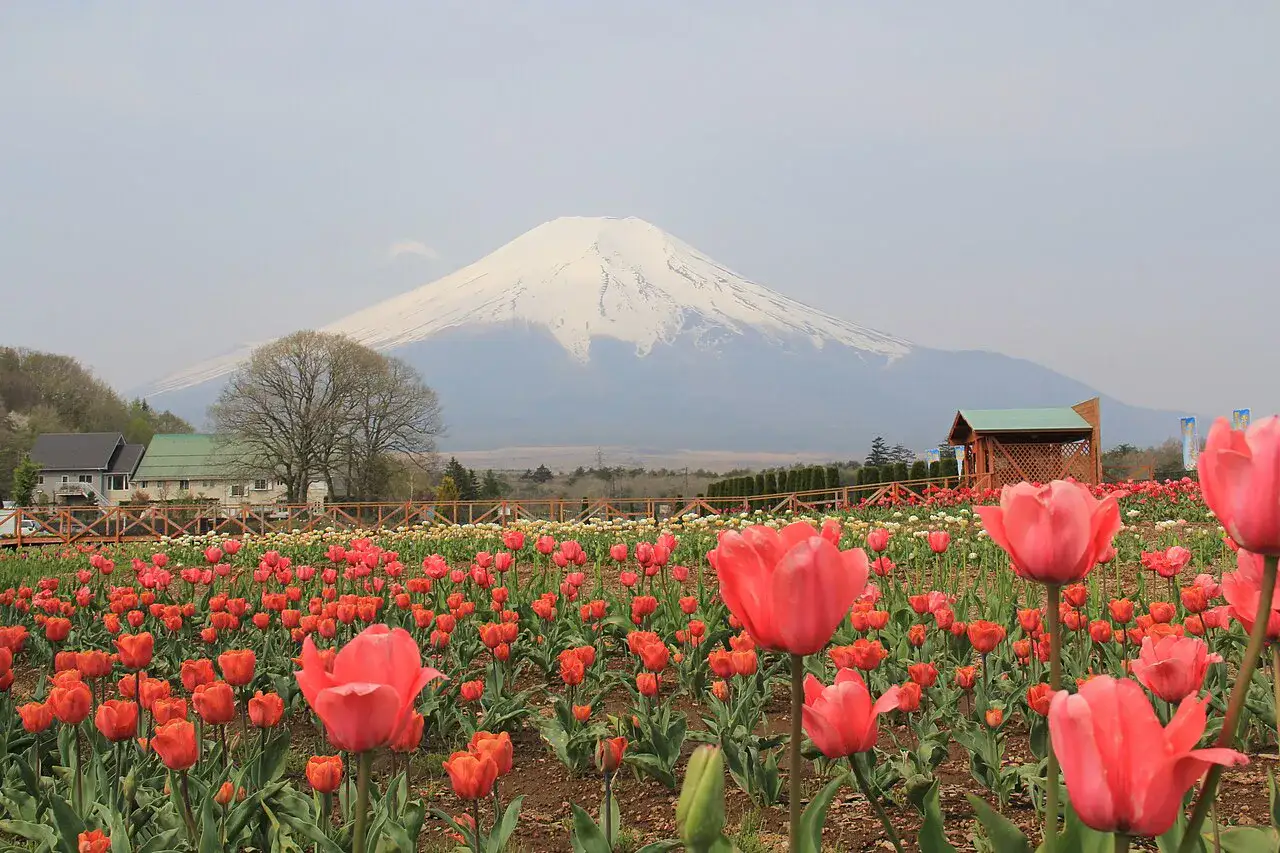
First Japan trip from Europe
A first trip to Japan is often overplanned in the wrong places. Travellers lock in a national rail pass before pricing the route, book every hotel before deciding whether it makes more sense to fly home from Tokyo or Osaka, and save dozens of restaurant pins while leaving the first airport transfer unresolved.
That is backwards. Japan is remarkably manageable once you are there. The stressful parts are usually the decisions that become expensive, awkward or impossible to fix at the last minute. This matters even more when you are coming from Europe: the flight is long, the time difference is significant, many trips are built around limited annual leave, and wasting half a day backtracking across the country is not a small inconvenience.
This guide focuses on the eight things worth arranging before you arrive. It also tells you what not to lock in, because a stress-free Japan trip is not one where every hour is booked. It is one where the few difficult decisions are already solved.
Quick answer: choose your season and route first, start watching long-haul fares early, check the rules for your actual passport and medicines, know exactly how you will reach the first hotel, arrive with working data and more than one payment option, price rail travel before buying a pass, travel lighter than you think you need to, and reserve only the things that genuinely become difficult later.
Japan before you fly: the 8 decisions that matter
The order matters. Decide the expensive, structural things first. Leave the small, reversible choices until later.
| Decision | When to handle it | Why it matters from Europe | What can stay flexible |
|---|---|---|---|
| 1. Season + flight timing | As soon as your travel window is known | Long-haul fares and Japanese peak periods can move the total budget sharply | The exact day if you can test ±2–3 days |
| 2. Where to go for those dates | Before building the route | July in Hokkaido is a very different proposition from July in Kyoto | Minor day trips |
| 3. Entry, medicine and health cover | Several weeks before departure | Your European health card does not travel with you to Japan | Paper copies of everything |
| 4. Route + airports | Before non-refundable flights and hotels | An open-jaw trip can save a cross-country return and valuable leave | Many intra-city details |
| 5. First two hours + connectivity | Before take-off | Jet lag is a bad time to improvise transfers, roaming and addresses | Extra data top-ups |
| 6. Money + rail strategy | Once the route is stable | A rail pass is a calculation, not a default purchase | Most urban transport |
| 7. Luggage + hotel flow | Before packing and final hotel bookings | Large suitcases become much more annoying on a multi-stop journey | Exact forwarding counter |
| 8. Scarce reservations | Selective booking in the final weeks | Secure the few priorities that truly sell out | Most meals, neighbourhoods and ordinary sightseeing |
The principle: plan the trip in layers. Season → geography → flight → route → logistics → selective reservations. If you reverse that order, cheap individual bookings can create an expensive overall trip.
Decision 1
Choose when to go — then know when to buy the flight
“Spring and autumn are best” is too vague to help anyone spend real money. The better question is: best for what? A couple tied to European school holidays, a flexible traveller chasing autumn colour, and someone who mainly wants the lowest long-haul cost are solving different problems.
| Travel window | What it is good for | Main trade-off | Our take |
|---|---|---|---|
| Late March–early April | Classic cherry-blossom trip in much of central Japan | Demand, crowds and bloom dates that shift year to year | Go for sakura, not for value |
| Mid-May | Tokyo, Kyoto, Osaka, Alps, city + nature combinations | None of the headline seasonal spectacles | One of the best first-trip compromises |
| June | Lower crowds, good-value city travel, Hokkaido | Rainy season across much of the country | Underrated if you accept weather uncertainty |
| July–August | Festivals, Hokkaido, mountains, fixed summer leave | Heat and humidity in Tokyo/Kyoto/Osaka; Obon demand | Change the route rather than dismiss Japan |
| October | Walking, cities, Tohoku, Japanese Alps | Autumn colour is not yet at peak everywhere | Excellent all-round first-trip month |
| November | Autumn colour in central Japan | Popular Kyoto dates can be busy | Beautiful if foliage is a priority |
| January–February | Lower crowds in cities, snow regions, onsen, skiing | Cold; very different conditions north and south | Strong value outside New Year and special events |
Japan’s domestic travel calendar matters just as much as European holidays. New Year, Golden Week in late April and early May, and the summer travel rush around Obon are periods when trains and hotels can fill faster and prices can harden. If your dates are flexible, shifting the trip away from those windows can improve both comfort and budget more than chasing a tiny fare difference. Before locking in a peak-period itinerary, check the current Japanese holiday calendar.
When should you start watching flights from Europe?
There is no honest universal rule such as “Japan is cheapest exactly 53 days before departure.” Paris, London, Frankfurt, Madrid, Rome, Amsterdam, Brussels and smaller regional airports do not behave as one market, and a direct fare is not comparable with a 20-hour two-stop itinerary.
A more useful approach is to separate watching from buying. For fixed peak-season dates, start learning the market roughly six to nine months before departure. For a flexible May, June, October or winter trip, four to six months is usually enough to establish what normal pricing looks like. These are planning windows, not promises that the cheapest fare appears then.
- Start early to learn the route: direct versus one stop, Haneda versus Narita, Tokyo return versus Tokyo-in/Osaka-out.
- Test nearby dates: moving by two or three days can matter more than waiting another month.
- Compare total cost: include checked baggage, seat fees, airport positioning and any overnight stay needed to reach a “cheap” departure airport.
- Buy when the whole itinerary is good: a clean €700 trip can beat a €590 fare that adds a separate positioning flight, hotel and risky self-transfer.
If another European airport is showing a lower fare, calculate it door to door. A €120 headline saving disappears quickly if reaching that airport costs €80, requires a hotel and turns one long travel day into two. LowCostWings’ flight search supports one-way, round-trip and multi-city searches, so it is particularly useful here for comparing the actual Japan route rather than just the cheapest Tokyo return.
Do not wait for a mythical perfect booking day. Once your dates are fixed, your route makes sense and the fare is good enough for the duration, baggage and airports involved, the remaining potential saving is rarely worth compromising the trip.

Decision 2
Pick the right Japan for your dates, not the same route all year
For a European traveller, dates are often less flexible than destinations. Summer holidays may be fixed. Easter may be the only two-week window. Christmas leave may be easier to secure than October. Japan’s length from north to south means the answer is not simply “go” or “do not go” — sometimes the best move is to change the region.
| Your European travel window | Where we would look first | Why |
|---|---|---|
| March–April | Tokyo → Kyoto → Osaka, adjusted to blossom timing | The classic route works beautifully, but exact flowering dates cannot be guaranteed months ahead |
| May | Classic route, Japanese Alps, Kyushu | Comfortable conditions and strong route flexibility after Golden Week |
| June | Hokkaido; or cities if rain does not bother you | Hokkaido is much less affected by the rainy season |
| July–August | Hokkaido, mountains, northern Japan | Cooler options can make fixed European summer leave far more enjoyable |
| October | Tohoku, Japanese Alps, Tokyo/Kyoto/Osaka | Good walking weather and the start of the autumn-colour progression from the north |
| November | Tokyo, Kyoto, Osaka and central Japan | A strong window for autumn colour on the classic route |
| December–February | Tokyo/Kyoto for cities; Nagano, Tohoku or Hokkaido for snow | You can choose a clear urban winter or build a genuine snow trip |
First Japan: Tokyo, Kyoto and Osaka still make sense
For most first-time visitors with roughly 10–14 days, the classic corridor remains easy to recommend. Tokyo gives you scale and neighbourhood variety; Kyoto changes the rhythm completely; Osaka adds food, nightlife and a convenient western gateway. The important part is not to treat the three cities as equal-sized boxes. Tokyo can absorb four or five days easily, Kyoto rewards early starts and slower neighbourhood time, while Osaka can be a shorter stop or a base depending on your interests.
Want more contrast? Add the Japanese Alps instead of another megacity
A route such as Tokyo → Kanazawa or Takayama → Kyoto gives a first trip more breathing room: mountains, smaller historic areas, ryokan and onsen potential, then the major cities. It is less linear than the fastest Golden Route, but often more memorable for travellers who do not want two weeks of urban intensity.
Only free in July or August? Look north
Tokyo, Kyoto and Osaka can be hot and humid in high summer. That does not make Japan a bad European summer-holiday choice. It makes Hokkaido much more interesting: summers are generally cooler and less humid, and the season works especially well for national parks, hiking and the flower landscapes around places such as Furano and Biei. If July or August are your only realistic dates, compare the seasonal conditions in Hokkaido with those on the classic Tokyo–Kyoto route before deciding where to spend the trip.

Spring and autumn move across the map
Cherry blossom is not one national weekend. In a typical spring the bloom develops progressively across the country, reaching different regions at different times from March into May. That gives flexible travellers a useful principle: if your dates cannot move, sometimes your destination can. Before fixing a blossom-focused route, use the latest blossom forecast rather than assuming Tokyo and Kyoto will peak on the dates that worked the previous year. Autumn follows the opposite broad pattern, with colour arriving earlier in cooler northern and high-altitude areas and later farther south.
Winter: decide whether you want cities or snow
Tokyo and Kyoto can work well in January or February if you want lower-season city travel. If snow is part of the reason you chose Japan, build it into the route deliberately: Nagano is accessible from Tokyo, while Tohoku and Hokkaido can turn the trip into a genuine winter journey rather than a city break where you hope for snow.
Best first-trip shortcut: mid-May or October for a balanced Tokyo–Kyoto–Osaka journey; Hokkaido if July–August is fixed and heat worries you; January–February if value, cities, snow or onsen matter more than blossoms.

Decision 3
Get the boring paperwork right: passport, medicine and health cover
This is the section where “I will sort it out in Japan” can become a genuine problem. Keep it simple, but do it before departure.
Check the rule for the passport you will actually use
Do not search “Do Europeans need a visa for Japan?” and stop there. Europe is not one passport. Many European passports currently qualify for short stays without arranging a visa in advance, but the rule depends on the nationality you will actually travel on and on the purpose and length of the stay. Check your country on Japan’s current visa-exemption list before you buy non-refundable extras.
You can also complete much of the arrival preparation in advance through Visit Japan Web, including the information used for immigration and customs. Filling it in at home is much easier than hunting for addresses and booking details after a long-haul flight.
Medication deserves a separate check
A medicine that is ordinary in Europe is not automatically straightforward at the Japanese border. Personal-use quantities, prescription medicines and controlled substances can fall under different rules, and the active ingredient matters more than the brand name on the box.
If you take regular medication, check the rules for bringing medicines into Japan using the exact active ingredient and quantity you intend to carry. Do it early enough that any required certificate or import procedure can be sorted before departure.
Your EHIC does not cover Japan
For EU travellers, this is an easy assumption to get wrong after years of moving around Europe with the European Health Insurance Card. The EHIC covers participating European countries — not Japan — so check what your bank card, annual policy or separate travel insurance actually covers overseas before departure. The EHIC coverage rules are useful for confirming where that card stops being relevant.
- Arrange before flying: passport/entry rule, Visit Japan Web if useful, medicine checks, suitable health/travel cover.
- Keep offline: first hotel address, insurance contact, key confirmations and medication documentation.
- Do not overdo it: you do not need a printed binder of every restaurant and train you might use.
Decision 4
Build the route before buying the airfare
This is one of the biggest opportunities for a European traveller to save both money and holiday time. A cheap Tokyo return can be the wrong ticket if the natural route ends in Osaka.
Europe → Tokyo → Europe
Best when Tokyo genuinely belongs at both ends of the trip, or when the fare advantage easily beats the cost and time of returning from western Japan.
Europe → Tokyo / Osaka → Europe
Often cleaner for Tokyo → Kyoto → Osaka. You avoid travelling back east solely to catch the flight home.
Europe → Osaka / Tokyo → Europe
Useful if the Kansai fare works better at the start, or if you want Tokyo as the final high-energy stop before flying home.
The correct comparison is not “Which ticket is cheapest?” but “Which complete journey costs least in money and time?” Add the rail leg you would otherwise need, the extra hotel night if flight times force one, and the value of half a day of annual leave. For a long-haul holiday, the €70-cheaper airfare can easily be the worse deal.
Then make the first two hours in Japan boring
Once the flight is fixed, decide your arrival route before take-off. Haneda and Narita serve Tokyo very differently depending on the neighbourhood; Kansai Airport can feed both Osaka and Kyoto, but the smartest connection depends on where you are sleeping. You do not need to memorise the entire transport network. You only need one good plan and one backup.
Before take-off, save offline: hotel name, full address, nearest useful station, planned airport connection, one alternative and the last sensible option if the flight lands late.
Do the same at the other end of the trip. A 07:00 departure from Kansai Airport changes where you should spend the last night. An evening Haneda flight may let you use the final day properly. Airport choice is part of the itinerary, not an afterthought.

Decision 5
Arrive with data — and prepare for the moment you have none
Travelling around the EU makes mobile data feel almost invisible. Japan resets that habit. Your normal European roaming arrangement may not apply, so check the actual Japan tariff on your plan before departure rather than discovering it through a bill.
For most visitors, the practical choices are an eSIM, physical SIM, roaming package or pocket Wi-Fi. There is no universal winner. A solo traveller with an eSIM-compatible phone has different needs from a family sharing several devices. If you prefer to have mobile data ready before departure, you can set up a travel eSIM for Japan before you fly; otherwise, compare that convenience with your operator’s roaming price or a local SIM on arrival. The important thing is that the solution is installed, compatible and understood before you land.
Know what goes live on landing
Check that the phone is unlocked if necessary, install the eSIM or save the activation details, and understand which SIM is allowed to use mobile data.
Assume data will fail once
Save the first hotel, important QR codes, transport details and Japanese offline translation. A screenshot still works when a tunnel or setup error does not.
Your phone becomes infrastructure
Maps, camera, translation, bookings and tickets can all run through one device. Carry a charged power bank on long days.
One small European detail: the plug is different
Japan uses 100V electricity and Type A plugs. Many modern phone and laptop chargers accept 100–240V, but check the label on anything heat-producing or voltage-sensitive and pack the right adapter. Japan also uses different electrical frequencies in the east and west of the country; for ordinary travel electronics this is rarely a problem, but the plug and electricity details are worth checking if you are bringing specialist equipment.
Arrange before flying: one working data plan, one offline fallback and the correct plug solution. Leave until Japan: buying more data if your initial allowance is not enough.
Decision 6
Bring three ways to pay — and price the railway you will actually use
Two outdated pieces of Japan advice circulate at the same time: “Japan is cash only” and “you never need cash anymore.” Neither is a good travel strategy. International cards now work in a large share of hotels, shops, restaurants and transport systems, but cash is still useful in smaller establishments, at some temples and in more rural areas. The easiest setup is therefore not to choose one side of the debate, but to travel with several ways to pay.
| Payment layer | What it is for | Why have it |
|---|---|---|
| Main international card | Hotels, larger purchases, many restaurants and transport bookings | Convenient and traceable |
| Backup card | Card block, network failure, lost wallet | One failure does not become a travel emergency |
| Yen cash | Smaller businesses, temples, rural areas, contingency | Cash acceptance remains relevant |
| IC transport card | Everyday transit and compatible small purchases | Removes friction from repeated local journeys |
Japan Post Bank and Seven Bank ATMs are useful fallbacks for withdrawing yen with many international cards, while IC cards such as Suica and PASMO can take much of the friction out of local transport and small everyday purchases. Phone compatibility and visitor-card availability evolve, so check the current setup for your device instead of copying an old trip report step for step.
A Japan Rail Pass is the result of a calculation, not the start of one
Build the route first. Identify the expensive intercity legs. Price those legs point to point. Then compare the national pass and any relevant regional pass. Because fares and pass conditions can change, use the current Japan Rail Pass prices only after you know which journeys your itinerary actually contains.
- Write the real route: for example Tokyo → Kyoto → Osaka, not “Japan for 12 days”.
- Separate long-distance travel from urban travel: a Tokyo Metro ride should not distort the pass calculation.
- Price the main legs: especially Shinkansen and longer limited-express journeys.
- Compare passes last: national, regional, or no pass at all.
- Value convenience honestly: paying slightly more can still be rational if it simplifies a dense route, but convenience is not the same as “free trains”.
For many simple first trips built around Tokyo → Kyoto → Osaka, buying individual tickets deserves serious consideration before paying for a national pass. For a route with more expensive long-distance legs, the calculation can change. Do the maths for the itinerary you will actually take.
Oversized suitcase rule: on the Tokaido, Sanyo and Kyushu Shinkansen, baggage with total dimensions over 160cm and up to 250cm requires an appropriate oversized-baggage seat reservation. If you are travelling with a large case, check the current oversized-baggage rules before choosing your seat rather than discovering the restriction on the platform.

Decision 7
Plan the trip around luggage before you pack it
Japan rewards light travel more than many first-time visitors expect. Hotel rooms can be compact, stations can involve long internal walks, and a suitcase that felt harmless at a European airport becomes irritating after the fourth train, escalator and hotel change.
The good news is that Japan gives you unusually practical alternatives. Luggage can be forwarded from major airports and between many hotels, while lockers and dedicated counters cover shorter gaps. Before a multi-stop route, it is worth understanding how luggage forwarding and storage work in Japan so you can decide which stops genuinely need the big suitcase.
The trick: let the suitcase skip a stop
Example: you are travelling Tokyo → Hakone → Kyoto. Instead of taking the large suitcase into Hakone, send it from Tokyo to Kyoto and carry one overnight bag. You get the onsen/mountain stop without turning every transfer into a baggage exercise.
This is not necessary for every route. Tokyo → Kyoto with one normal suitcase is easy enough. It becomes valuable when you insert small towns, ryokan nights or busy stations between major bases.

Build the route first, book the hotels second
Do not book four “cheap” hotels and then discover that the route zigzags. On a first Japan trip, location often matters more than saving €12–15 per night. Tokyo has no single centre; the useful question is whether your station connections suit the days you have planned. In Kyoto, the right area depends on whether you prioritise early temple visits, dining, Kyoto Station or a quieter evening base. In Osaka, decide whether the city is a destination, a nightlife stop or simply the most practical final base before Kansai Airport.
For Tokyo, that usually means choosing a neighbourhood around a station you will genuinely use rather than chasing an abstract idea of “central”. If your itinerary is still taking shape, compare Tokyo accommodation by neighbourhood and station, then test each option against the places you plan to visit most often. A slightly more expensive room can be the better-value choice if it saves two awkward transfers every day.
Kyoto is different. Staying near Kyoto Station is practical for early trains and day trips, while Gion, Higashiyama and the downtown area suit travellers who want to step out into restaurants and historic streets in the evening. Rather than looking for one universally “best” district, compare places to stay in Kyoto against the rhythm of your own itinerary: early temple mornings, late dinners, day trips or an onward train.
In Osaka, first decide what role the city plays. If it is mainly food and nightlife, Namba and the south side may fit naturally; if Osaka is the final base before an early flight or several rail day trips, another location may work better. Looking at Osaka stays by area only becomes useful once you know whether you are optimising for evenings in the city, transport connections or the last leg to Kansai Airport.
Best luggage rule: if a one-night stop sits between two major bases, ask whether your big suitcase actually needs to make that stop with you.
Decision 8
Reserve the hard things; keep the easy things loose
The last common mistake is reacting to the scale of Japan by booking everything. That reduces one kind of anxiety and creates another: you spend the trip racing a spreadsheet.
Reserve early when capacity is genuinely limited or when one experience is a central reason for the trip. That can include a specific small restaurant, a timed attraction, a popular seasonal event, a special ryokan night or a transport seat that matters on a peak travel day. Then deliberately leave space around it.
When failure would genuinely disappoint you
- A specific restaurant you have built an evening around
- A limited-capacity attraction or event
- A special ryokan or onsen stay
- Peak-period transport where a reserved seat matters
When Japan gives you abundant alternatives
- Most ordinary lunches and dinners
- Neighbourhood walks and shopping time
- Many temples, shrines and parks
- Weather-dependent afternoons
When you need support from a local human, not another app
Most trips in Japan can be managed with maps, booking sites and translation apps. But there are still situations where having a local person who speaks Japanese and can handle things on your behalf makes the trip much easier.
CallButler provides on-demand local support for travellers in Japan. This could mean booking a restaurant that does not accept online reservations, calling a hotel or shop to confirm details, checking dietary requirements, coordinating lost-and-found enquiries, arranging something special for a birthday or anniversary, or helping with an unexpected problem during your trip.
You do not need a concierge for your entire journey. Think of CallButler as a local person you can reach when something comes up and you need a little extra help. When plans change or something cannot easily be solved through an app or online form, someone local can step in, contact the right people and help sort things out while you continue travelling independently.
The anti-stress rule: a fully booked Japan is not automatically a well-planned Japan. Secure the scarce pieces, then protect enough empty time to change neighbourhood, stay longer over lunch, escape bad weather or follow a recommendation you only hear once you arrive.
What you do not need to arrange before Japan
Removing tasks is part of good planning. Unless your trip has a very specific theme, these are usually safe to leave open:
Every meal
Japan gives you enormous day-to-day food choice. Reserve a priority restaurant, not breakfast, lunch and dinner for 12 days.
Every local train
Urban transport is frequent. Save advance planning for the journeys where capacity, luggage or peak dates genuinely matter.
Every Tokyo hour
Tokyo rewards neighbourhood time. A schedule with no gaps turns a fascinating city into a list of stations.
Likewise, do not buy a national rail pass merely because older Japan itineraries treated it as standard, do not choose a remote hotel just because it is €15 cheaper, and do not add an extra city solely because it looks close on a map.
Run the arrival test
Imagine your long-haul flight lands two hours late and you are tired enough that you do not want to research anything. Can the trip still start smoothly?
- Do you know how you are getting to the first hotel?
- Will your phone have data, or do you have the essential details offline?
- Can you pay if one card does not work?
- Can you show the hotel address without opening your email?
- Does tomorrow morning depend on a reservation you have forgotten?
If the answer is yes to all five, your trip is ready enough. Everything else can be improved after you arrive.
72 hours before flying from Europe: final checklist
Japan from Europe: quick FAQ
For a balanced Tokyo–Kyoto–Osaka trip, mid-May and October are particularly strong compromises between weather, crowd levels and route flexibility. Choose late March/early April if cherry blossom is the priority, or January–February for winter value and snow-region combinations.
There is no guaranteed cheapest window. Start monitoring roughly six to nine months ahead for fixed peak dates and around four to six months ahead for flexible shoulder-season trips. Use that time to learn the normal price for your route, then buy when the total fare, duration, baggage and airports make sense rather than waiting for a mythical perfect day.
Yes. Around 10–14 days is enough for a well-paced first route such as Tokyo, Kyoto and Osaka, with one or two carefully chosen side trips. A shorter trip benefits from fewer hotel changes; a longer trip gives you room for the Alps, Tohoku, Kyushu or Hokkaido.
Only after pricing the route. Build the itinerary, calculate the expensive long-distance legs and compare that total with current national or regional pass prices. For a simple Tokyo–Kyoto–Osaka route, individual tickets should be part of the comparison rather than assuming the national pass wins.
Cards are widely accepted, but cash still has a role, particularly at smaller businesses and outside major urban centres. A strong setup is a main card, a separate backup card, some yen and an IC transport card where practical.
No, but route choice matters. Tokyo, Kyoto and Osaka can be hot and humid, while Hokkaido is cooler and less humid. If European summer holidays are your only realistic window, changing the region can be more effective than abandoning Japan.
Final verdict: prepare less, but prepare the right things
The easiest Japan trip is not the one with the biggest spreadsheet. From Europe, the expensive mistakes happen earlier: choosing the wrong season for what you want, buying a return flight before understanding the route, assuming your European roaming or health habits carry over, dragging large luggage through every stop, or buying a rail pass before doing the calculation.
Get those structural decisions right and Japan becomes much simpler. Pick the season that matches your priorities. Choose the region that matches your fixed dates. Compare the whole long-haul journey rather than the cheapest fare. Sort the entry, medication and insurance details. Know how the first evening works. Carry resilient data and payment options. Price the railway you will actually use. Then reserve only the few experiences that deserve certainty.
The reward is not just lower stress. It is a better trip: more time in neighbourhoods, fewer unnecessary transfers, less money tied up in bookings you did not need, and enough flexibility to let Japan surprise you once you are finally there.
Some links in this guide, including accommodation and eSIM links, may be affiliate links at no extra cost to you. We only place them where the service is a natural next step in planning the trip.