Palma de Mallorca in 3 Days: Car-Free Itinerary, Beaches and Budget
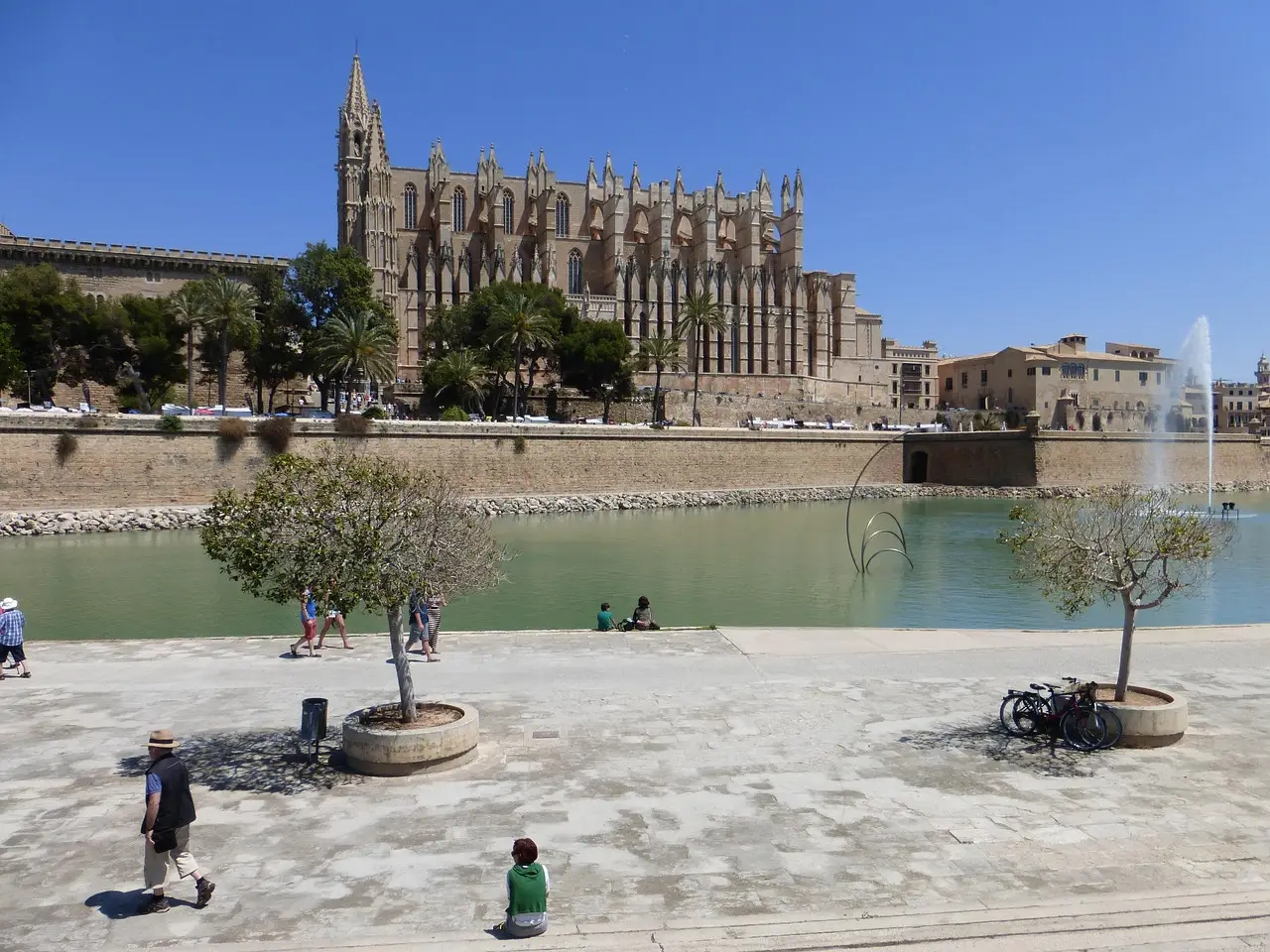
Palma becomes a much better trip once you stop treating it as the entrance hall to Mallorca. Beyond the cathedral overlooking the bay, the city has a lived-in Old Town, markets made for lunch, small workshops, understated Modernista architecture and neighbourhoods that genuinely change the mood of an evening. The sea is always nearby, yet enjoying it does not require a rental car or a daily race towards the island’s northern coves.
Three days create a satisfying balance: one day in the historic centre, another moving from the waterfront to a beach reachable by bus, then a day trip to Sóller or Valldemossa. The usual mistake is to add both villages, an isolated cala and Cap de Formentor. That plan spends more energy managing connections than experiencing any one place.
This guide makes a deliberate choice: explore Palma without a car, using an itinerary precise enough to protect your mornings but flexible enough for heat, wind or rain. Transport times and fares can change. The decisions that make the trip work are more durable.
Our recommended 3-day Palma itinerary
Keep the first day compact: Parc de la Mar, the cathedral, Almudaina Palace, the Arab Baths, quiet courtyards and an evening between La Lonja and Santa Catalina. On day two, move west to Bellver Castle in the morning and Cala Major or Illetes later, depending on the weather and your energy. Day three belongs outside Palma. Choose the historic Sóller railway when the journey itself appeals to you; pick Valldemossa for a shorter mountain-village outing, but verify the exact bus schedule first.
Who is this plan for? Travellers looking for a Mediterranean city break with one genuine beach afternoon and no rental car. If your main goal is hopping between remote calas, Palma can still be your first or final night, but it should not be presented as a universal base for every corner of Mallorca.

Airport to city centre and getting around without a car
The A1 bus links Palma Airport with the city centre. It serves major corridors rather than every hotel door, so identify the closest stop and measure the final walk with luggage. Current information appears on the Aena airport page and EMT Palma’s A1 route page. A late arrival may make a taxi sensible, but it does not make a car useful for the rest of this itinerary.
Walking is the most effective transport in the centre. The streets around La Seu, Cort and La Lonja look close on a map and still contain enough detail for a full day. EMT covers Palma and nearby urban beaches, while the TIB network connects the capital with the wider island. That distinction prevents a common planning error: looking for a single ticket or app for every journey. Use the official EMT line directory for city buses and TIB timetables for day trips.
Do not freeze a timetable into your itinerary. Frequencies vary by season, weekday and works. Search for the return journey before setting out, especially when heading to a beach or village beyond Palma.
La Seu, palaces, courtyards and the Old Town
Begin at Parc de la Mar before the heat and tour groups take over the cathedral approaches. From the pool, the relationship between the walls, bay and La Seu becomes clear. The interior deserves time if architecture matters to you; otherwise, do not reduce the district to one façade photograph. Almudaina Palace, the neighbouring gardens and passages towards the centre reveal a city where Islamic, medieval and modern layers overlap.
After the cathedral, deliberately slow down. Walk into La Calatrava, look through open doors towards courtyards without entering private spaces, then continue to the Arab Baths. The site is modest. Its value is not a spectacular room but the chance to place modern Palma within the history of Madina Mayurqa. This kind of stop is exactly what disappears when a visit is built only from a “top ten sights” checklist.
Loop towards Plaça de Cort, notice the centre’s Modernista façades and reach Mercat de l’Olivar if you want lunch among the stalls. A market is not automatically cheap: compare menus and distinguish local produce from tourist pricing. A simple pa amb oli, small plates, fruit or pastry leaves room for a more considered dinner later.

La Lonja or Santa Catalina: two different versions of Palma
La Lonja is the natural continuation of the Old Town. Gothic stonework, restaurant terraces and narrow lanes create an easy first evening without another journey. The area is central and can feel visitor-oriented, but its architecture remains coherent. Continue towards Passeig del Born when you want a more urban evening stroll.
Santa Catalina reveals another Palma: a neighbourhood market, restaurants, cafés and residential streets west of the centre. It is lively without demanding an attraction-by-attraction plan. The district suits travellers who would rather browse menus, stop for a drink and walk home than chase a supposedly essential rooftop. Prices have risen with its popularity; the advantage is variety and atmosphere, not a guaranteed bargain.

Bellver Castle in the morning, one beach in the afternoon
Bellver should not be squeezed into an already overloaded day. It stands above the western side of Palma and requires a proper detour. Go in the morning, when the light over the bay is clearer and the uphill section is less punishing. Its circular design, highly unusual for a Gothic castle, makes the visit worthwhile beyond the viewpoint. Depending on your starting point and fitness, combine bus and walking instead of accidentally turning the approach into a hike.
After Bellver, descend towards the waterfront and choose one beach. Cala Major is the practical option: close to Palma, served by bus and equipped for a straightforward half-day. Illetes and Cala Comtessa provide a more resort-like setting, but require a longer ride, current timetable checks and an earlier start in busy months. The best beach is not necessarily the most photographed one; it is the beach where you still have time to swim.
In winter or rough weather, replace the sand with Fundació Miró Mallorca, Es Baluard museum or a longer walk along the bay. Palma remains rewarding after swimming disappears from the plan. That is one of its important advantages over a trip built only around coves.


Sóller on the historic railway or Valldemossa
The Sóller train is an experience rather than a purely functional ride. It leaves Palma, crosses the plain and enters the Serra de Tramuntana before reaching Sóller. The tram to Port de Sóller can extend the day, but trains, trams and return services should never be assumed to connect automatically. Check the official timetable, book when available and build the day backwards from the return.
Give Sóller itself some space: Plaça de sa Constitució, its Modernista church frontage, side streets and citrus heritage. Rushing straight onto the tram and back reduces the excursion to a chain of vehicles. If you continue to the port, walk the waterfront and compare menus before sitting down. The first terrace facing the tracks is not necessarily the most satisfying lunch.
Valldemossa is better for travellers drawn to a mountain village, stone lanes and a shorter excursion. It depends on road transport, so the experience is more sensitive to bus schedules and crowds. Do not bolt Valldemossa onto Sóller in a short winter day without confirming every connection. Two famous names on the same map do not automatically form a good route.

Where to stay in Palma for three car-free days
Old Town and La Seu
Best for early starts, walking home and staying inside the historic fabric. Check stairs, taxi access and street noise before committing.
Santa Catalina
Just west of the main monuments and particularly appealing after dark. A strong compromise for markets, cafés and a less museum-like atmosphere.
Plaça d’Espanya
Less romantic, more useful for the airport, Sóller and regional buses. Pick a quiet street and keep the Old Town within walking distance.
Portixol
Attractive for running and seaside walks, but farther from the main sights. Choose it only when that trade-off matches your daily rhythm.
Avoid listings that use “Palma” for accommodation dependent on an infrequent bus or taxi. Over three days, twenty extra minutes on every journey removes half a day. Open the map, measure the route to the A1 stop or transport hub, and read recent comments about noise rather than relying on the overall score.
How much do three days in Palma cost?
Palma is no longer a secretly cheap capital. Accommodation, particularly at weekends and in high season, matters more than urban transport. Useful savings come from choosing the right area, limiting the day to one major journey and mixing market food, bakeries and one reserved dinner. Renting a car only to leave it in a paid car park rarely improves this itinerary.
| Cost per person | Tight budget | Balanced | Comfort |
|---|---|---|---|
| 3 nights, shared double room | €120–210 | €210–390 | €390–660 |
| Food and drinks | €85–125 | €130–210 | €220–360 |
| Local transport and day trip | €35–65 | €65–115 | €115–210 |
| Attractions | €20–45 | €45–85 | €85–150 |
| Total before flights | €260–445 | €450–800 | €810–1,380 |
These ranges compare travel styles rather than predicting your dates. Search accommodation first, then add your chosen excursion. The historic Sóller railway does not cost the same as an ordinary bus day; a nearby beach leaves more of the budget available for dinner.
When to visit and how to adapt the itinerary
Spring and early autumn often offer the best combination of light, warmth and comfortable walking. In midsummer, visit early, protect the hottest hours and move the beach into late afternoon. In winter, Palma becomes more urban: replace swimming with museums, Miró’s studios, markets and longer lunches. The city does not promise warm seawater throughout the year.
During rain, do not cross the island hoping a village will rescue the day. Combine the cathedral, Almudaina, Es Baluard and covered markets. In strong winds, Sóller may still work but water activities become less appealing. A resilient itinerary always keeps half a day interchangeable.
Season also changes the value of where you stay. A room near the waterfront feels rewarding during mild evenings, while a base closer to Plaça d’Espanya becomes more useful when daylight is short and regional departures shape the trip. Compare the same neighbourhood for your actual month rather than assuming the summer winner remains the best choice all year.
Six mistakes to avoid in Palma
Expecting guaranteed fields of tulips
La Rambla has flower stalls and municipal planting changes with the season, but Palma is not a tulip destination comparable to the Netherlands. Come for a Mediterranean city, not a promised bloom.
Trying three beaches in one day
Waiting, walking and connections consume the swimming time. Choose Cala Major for simplicity or Illetes for scenery, then stay there.
Treating Sóller as a quick return ride
The historic journey, town and port deserve a full day. Confirm the final return before ordering lunch.
Booking a car “just in case”
For this route it adds parking, deposits and traffic. Rent one only when extending to poorly served parts of the island.
Choosing the liveliest promenade without reading reviews
A view or central lane can bring late-night noise. Filter recent comments for soundproofing rather than trusting the headline rating.
Filling every hour
Palma also reveals itself while pausing in a courtyard, market or on the waterfront. Two unplanned hours often improve the trip more than a seventh attraction.
Palma de Mallorca 3-day FAQ
Yes. Walk the centre, use EMT around Palma and TIB for day trips. A car becomes useful for hopping between remote coves, not for this plan.
Cala Major minimises logistics. Illetes offers a stronger resort setting when connections work. Start early in either place during busy months.
Advance booking can reduce uncertainty at popular times. Check the official website for services, opening conditions and restrictions on your chosen day.
Choose Sóller for the historic railway and a full day; Valldemossa for a mountain village and shorter outing. Let the current timetable settle a close decision.
They are enough for Palma and one excursion, not the entire island. Add several nights when the Tramuntana, northern coast or remote calas are priorities.
Official sources worth revisiting
Confirm airport and A1 information with Aena and EMT Palma, regional journeys with TIB and Sóller services on the railway’s own website. Prices and timetables change: this guide provides the logic of the trip, while operators provide information valid for your date.
Palma deserves three days without becoming a checklist
The city works when its contrasts connect: Gothic stone and Arab baths, a neighbourhood market and the bay, a hilltop castle and accessible beach, then mountains at the end of a historic railway. Make one large decision per day, choose your area around the evenings you want and save distant calas for another trip. Palma then stops being a convenient airport and becomes the destination.
Disclosure: some booking links are affiliate links. Using them may support LowCostWings without changing the displayed price. Recommendations remain based on the coherence of the trip.