Porto in 3 Days: Car-Free Itinerary, Budget and Where to Stay
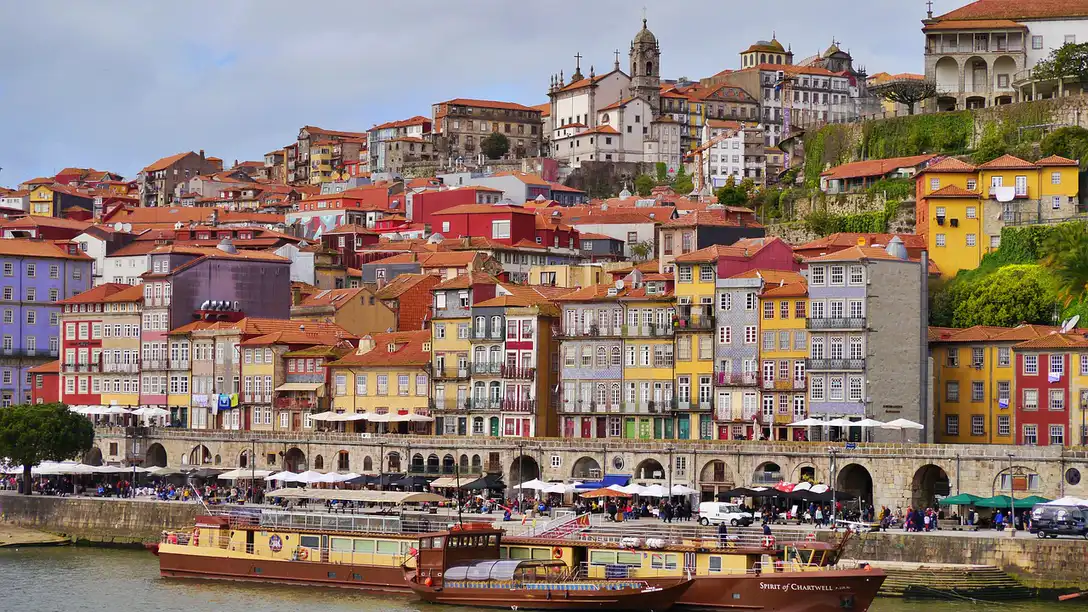
Three days are enough for Porto when each day stays on one riverbank and within neighbouring areas
Porto makes an immediate impression through Ribeira, Dom Luís I Bridge and the port-wine cellars. The practical challenge is managing the hills: queues shorten the day and a poor hotel location creates repeated climbs. A successful stay groups visits by riverbank and keeps a simple indoor alternative for wet weather.
A strong first trip connects the historic centre and Gaia on day one, Bolhão, Clérigos and Cedofeita on day two, then Foz or a Douro excursion on day three. A car adds no value to this plan and should only be collected when leaving for a rural route.
The decision in 30 seconds
Choose Porto for a dense, food-led city break that works without a car. Secure a cancellable room near Trindade, Bolhão or São Bento first, then the Lello, cellar or Douro slot that truly matters. Keep a short city cruise flexible until the wind forecast is useful.
Verdict: Baixa is the best first-time base. Ribeira is more photogenic but less convenient with luggage and tired legs; Gaia works for views and cellars if crossing the river each day feels acceptable.
Contents
- The decision in 30 seconds
- Where to stay: choose the area before the hotel
- Getting there and moving around without a car
- Day-by-day itinerary
- What to book and what to keep flexible
- Realistic budget
- Season, weather and backup plan
- Continue planning the trip
- Mistakes to avoid
- Frequently asked questions
- Useful official sources
Where to stay: choose the area before the hotel
In Porto, two hotels eight hundred metres apart can create different trips. Check gradient, metro distance and lift access before room styling.
For three nights, paying slightly more near Trindade, Bolhão or São Bento often saves taxis, funicular rides and exhausting returns. A suburban bargain only works when a genuinely useful station is close.
Baixa, Bolhão or Aliados
Best balance of airport metro, São Bento, restaurants and walking routes. Around Trindade and Bolhão, the gradient is easier than directly beside the Douro.
Cedofeita
More local restaurants, galleries and coffee shops with quick access to Clérigos. Check the exact slope and recent noise reviews.
Vila Nova de Gaia
Strong for couples who want Porto views and wine lodges. Stay close to the bridge, metro or cable car rather than far uphill.
Ribeira
Excellent for quiet early and late river hours, but pricier, noisier and steeper. Confirm lift access in old buildings.
Useful filters: recent rating of at least 8/10, free cancellation, private bathroom when required and noise comments. In spring and winter, also check heating and dampness.

Getting there and moving around without a car
Metro line E connects the airport with the central network. Trindade is the most useful interchange for many accommodation areas. Buy and validate the correct zone ticket; fares can change, so use the official planner rather than an old amount copied between blogs.
Walking is still the main tool, but routes should move from higher streets down to the river. Metro, bus, funicular or an occasional taxi can preserve energy when a climb would consume an hour.
- Airport: metro for most travellers; taxi or transfer for groups, late arrivals or limited mobility.
- Historic tram: enjoyable experience, unreliable backbone for a tight plan.
- Gaia: cross Dom Luís I Bridge on foot and choose the upper or lower level around the next stop.
- Foz and Matosinhos: use bus or metro according to the exact destination; do not rely on tram 1 alone.
- Douro Valley: train for a calm independent day, organised trip for wineries, lunch and boat without logistics.
A car is a liability inside Porto. Parking, narrow streets and hills remove its advantage. Collect one only when leaving for a rural stage.
Day-by-day itinerary
This order keeps the strongest spring-page material while remaining useful year-round. It limits river crossings and includes a real wet-weather version.
São Bento, cathedral, Ribeira and Gaia cellars
Start at São Bento before the busiest period, continue to the cathedral and descend through old lanes to Ribeira. Leave room for viewpoints: Porto makes more sense through its levels than a monument checklist.
Cross Dom Luís I Bridge to Gaia. Pick one cellar with a timed visit, then walk the riverfront. One well-explained tasting is more valuable than several rushed ones.
Climb to Jardim do Morro for late light, then eat in Gaia or return to Baixa. Reserve dinner only when one specific restaurant justifies the constraint.
Rain / low-energy backup: Replace sunset with Palácio da Bolsa, a longer cellar visit or lunch. São Bento tiles and several churches work well in wet weather.
Bolhão, Clérigos, Cedofeita and gardens
Use Capela das Almas and Mercado do Bolhão before Aliados. If Livraria Lello is essential, use a timed slot; otherwise enjoy the surrounding streets without paying for a long queue.
Climb Clérigos in clear weather, then move toward Cedofeita and Palácio de Cristal gardens. The route combines architecture, shops and green space without returning to Ribeira.
Choose petiscos, fish or francesinha in Cedofeita or Bonfim. A dinner away from the river reveals a more everyday city and often a gentler bill.
Rain / low-energy backup: Use Serralves, Soares dos Reis Museum or World of Discoveries. Do not force three viewpoints into continuous rain.
Foz, Matosinhos or the Douro Valley
For an urban finale, reach Foz and follow the estuary toward the Atlantic. For a major outing, leave early for the Douro by organised trip or planned train.
Continue to Matosinhos for fish and beach, or stay among vineyard landscapes. Do not combine Foz with a full-day excursion.
Return for a final drink in Baixa or Gaia and keep transfer margin. Connections are simple, but hills make journeys slower than a map suggests.
Rain / low-energy backup: Stay in Porto with a market lunch, museum and tasting. Move the city cruise here if wind conditions improve.

What to book and what to keep flexible
Porto has many nearby tours. Their job is not to fill the itinerary, but to add interpretation, navigation or rural access that walking cannot provide.
Bridge cruise with optional cellar
A useful introduction to both riverbanks. Choose the slot around light and wind rather than the first available time.
Douro Valley with boat, wine and lunch
Relevant when you want several stops without a car. It consumes a full day and belongs in a trip with three complete days or more.
Gaia cellar
Compare content, duration, language and tasting size. A less famous house can provide a calmer visit.
Livraria Lello or Clérigos
Book only if the place genuinely matters. Central Porto remains excellent without either ticket.
Recommended order: cancellable hotel, flight, essential timed slot, then restaurants. Keep the short city cruise movable while the wind forecast remains uncertain.
Realistic budget
Dates, area and a Douro outing move the total most. Food and metro are manageable; a Ribeira room and organised vineyard day raise the budget quickly.
Swipe the table horizontally on mobile.
| Item | Tight budget | Comfort | Watch |
|---|---|---|---|
| Return flight | €60–150 | €150–260 | School holidays and long weekends |
| 3 nights / person | €90–170 | €180–330 | Ribeira and Saturday |
| Food | €75–120 | €135–210 | View-led riverfront tables |
| Transport | €20–35 | €35–65 | Taxis and private transfers |
| Activities | €35–75 | €90–180 | Douro and premium tours |
| Total | €280–480 | €590–1,045 | Per person including flight |
To cut cost without damaging the trip, move the dates by one day, stay in Bolhão or Cedofeita and keep one defining paid activity. A remote room followed by ride-hailing is often false economy.
Season, weather and backup plan
Spring and early autumn offer the best balance of light, temperature and demand. Summer gives long evenings with queues and higher rooms. Winter can be mild, wet and windy, making a central hotel and indoor backup more important.
Rain does not ruin Porto when the plan is modular. Keep cellars, museums, market and a long lunch ready, then assign Foz, gardens and viewpoints to dry windows.
March to June
Strong balance; book weekends and carry a waterproof layer.
July and August
Long days and high demand; start Ribeira and Gaia early.
September and October
Excellent compromise with possible warmth and calmer nights.
November to February
Potentially better prices, but rain, wind and damp favour a central room.
Mistakes to avoid
Booking beside the Douro without checking access
A beautiful view can hide stairs, noise and a taxi requirement with luggage.
Collecting a car at the airport
It remains parked through the city break and complicates central streets.
Putting Gaia and Foz in one half-day
The plan becomes an east–west transfer with little time on either side.
Stacking cellar visits
One strong explanation provides more than three repetitive tastings.
Treating the tram as fast transport
It is heritage and crowd-sensitive; keep a bus or metro alternative.
Following a fixed rain plan
Swap gardens, river and indoor activities instead of enduring a bad sequence.
Frequently asked questions
Yes for the centre, Gaia, Cedofeita and Foz. Add a fourth day when the Douro Valley is essential.
Yes, and that is the recommended choice. Metro, bus, walking and occasional taxis cover the trip.
Baixa is more practical; Ribeira has atmosphere but more slopes, noise and premium pricing.
Compare its discounts with the visits you will actually make. An outdoor-heavy plan may not justify it.
Several days ahead in calm periods and earlier for Saturdays, holidays or a specific language.
Yes when wine and landscape matter more than Foz or a slow third day in Porto.
Useful official sources
Final verdict
For a first trip, book three nights in Baixa or Bolhão, organise the first two days by riverbank and let day three choose between the ocean and Douro. This structure works in spring and winter while avoiding repeated climbs.
Hotel location is the best upgrade. One activity that changes how you see the city is the second. Everything else can remain flexible.
Transparency: some accommodation and activity links are affiliate links. LowCostWings may receive a commission if you book after using them, at no extra cost. Budget bands are search targets rather than guaranteed prices.