Seville in 3 Days: Alcázar, Triana, Flamenco, Patios and Budget
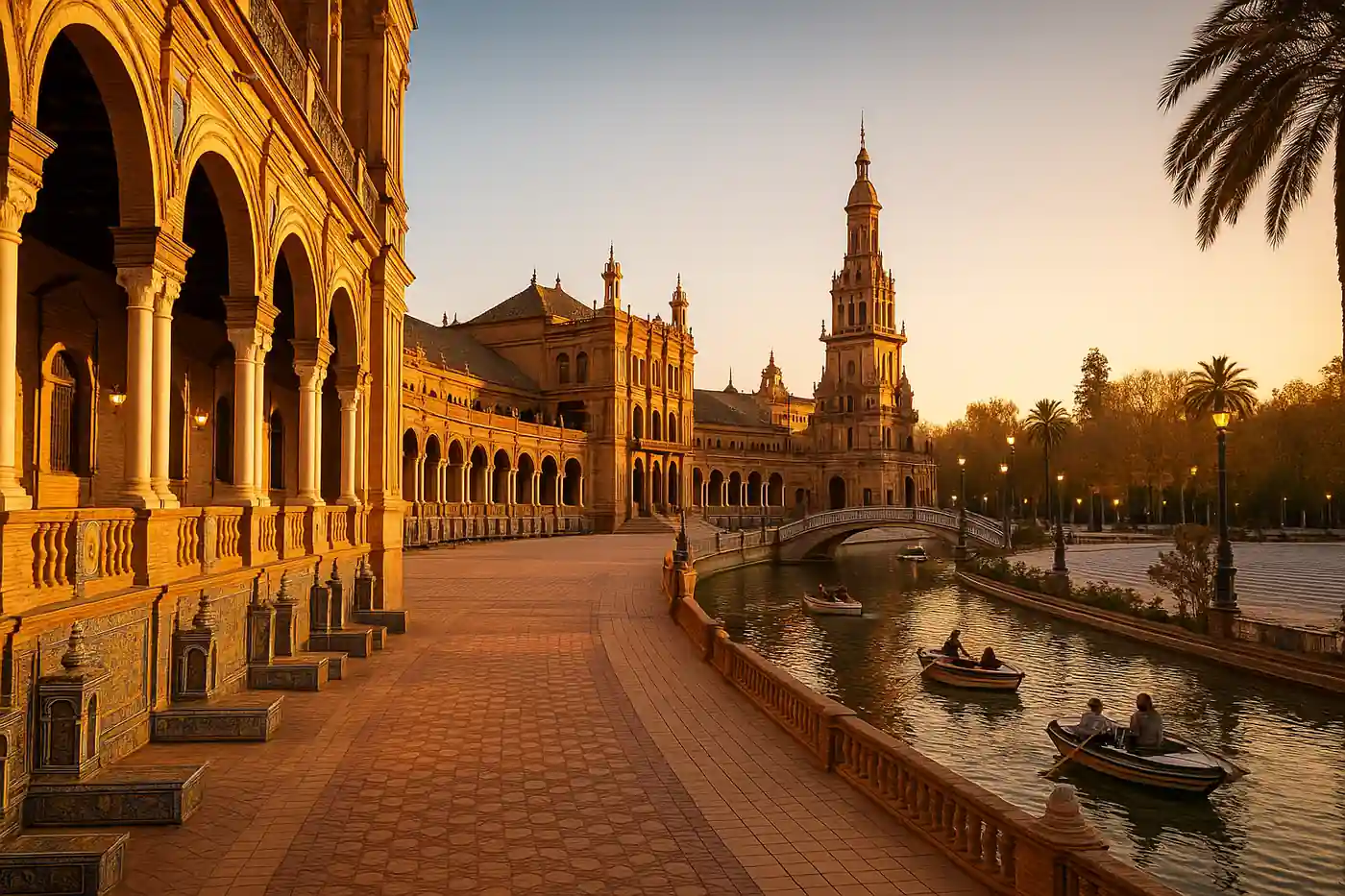
Seville looks compact on a map, yet it is more than a triangle between the Alcázar, cathedral and Plaza de España. The monumental centre needs proper attention, Triana changes your relationship with the river, Alameda extends the evening and María Luisa Park gives you the space that Santa Cruz cannot. Three days connect these sides without a car if you resist booking every hour.
This guide consolidates LowCostWings’ former weekend, two-day and spring pages into one evergreen pillar. Patios, flamenco, museums, ceramics, parks and hot-weather tactics remain, but they no longer compete in several near-identical itineraries. Spring becomes one setting for the journey rather than a separate page repeating the same monuments.
The route places the two major tickets on day one, Triana and the northern centre on day two, then Plaza de España and María Luisa on day three. If you prefer a slower trip, remove one interior instead of sacrificing the hours when Seville feels best: breakfast at the bar, shade in a small square, shared tapas and the walk home after flamenco.
A practical 3-day Seville itinerary
Book the Alcázar and cathedral on the same day only when the slots leave a genuine break. The entrances are close, but both visits demand concentration. Day two uses almost no compulsory ticket, so it can absorb a delay, siesta or long evening. Day three protects the open spaces and leaves one branch: Casa de Pilatos, the Fine Arts Museum, Palacio de las Dueñas or unstructured neighbourhood time.
The choice that prevents overload: no more than two major interiors on day one and one on day three. The rest of Seville should be experienced at street level.

Where to stay in Seville
Santa Cruz places the Alcázar, cathedral and historic lanes outside the hotel. It is ideal for the first morning and for returning easily after a hot day. The inner district also concentrates tour groups, terraces and visitor accommodation. Check taxi access, soundproofing and the real distance to a vehicle-friendly street.
El Arenal is often the strongest compromise. You remain close to the river and cathedral while Triana is an easy walk away. Its streets are simpler with luggage, and evenings stay active without being squeezed into the same tiny squares. For three days, this is our most versatile base.
Alameda and Feria suit travellers who prioritise bars, independent places and a more residential rhythm. The Alcázar is farther away but still reachable on foot or by bus. Triana gives you the pleasure of crossing the river every morning and evening; choose it when ceramics, markets and neighbourhood life matter as much as the monuments.
Nervión can lower the price and simplify an arrival through Santa Justa, without offering the same atmosphere. It works for a late first night or a modern hotel if you accept a tram, bus or extra walk.
Arenal
The clearest combined access to the centre, river and Triana, with easier logistics than the deepest lanes of Santa Cruz.
Triana or Alameda
Less immediate for the first entry slot, but more rewarding when local evenings drive your choice of base.

Airport, railway station, buses and walking
The EA airport bus links Seville Airport with several useful central stops. Timetables and fares change, so check TUSSAM’s official information shortly before the trip. For two or three people with luggage, a taxi may be competitive and avoid a difficult final walk to a pedestrian street.
From Santa Justa, buses and taxis make the centre straightforward. Do not rent a car for this itinerary: pedestrian areas, access restrictions and parking remove any benefit. If Seville forms part of a wider Andalusian road trip, collect the car when you leave the city.
The centre is primarily a walking destination. Tram and bus become useful for Nervión, the station, heat or fatigue. Cycling can be pleasant beside the river and in open areas, less so inside dense lanes. The robust method is to walk by district and use a motorised journey exactly when it protects the day.
In serious heat: do not confuse a short distance with an easy walk. Twenty minutes without shade can cost more energy than a longer morning route. Move outdoor sections and use a bus or taxi without guilt.
Royal Alcázar, cathedral, Giralda and Santa Cruz
Begin at the Royal Alcázar with an official ticket and a morning slot. The palace is more than the Patio de las Doncellas: Mudéjar rooms, courtyards, gardens and layers of royal use need time. Do not allow a hurried group to set your pace. Notice how water, shade and thresholds organise the space because that vocabulary reappears across Seville.
The gardens deserve a proper walk outside the hottest hours. They also absorb crowds from the interiors. Access to the upper royal rooms, exhibitions and temporary closures can change. Check the exact product when booking rather than assuming every ticket opens the same spaces.
After lunch, visit the cathedral and Giralda. The building remains a place of worship, so cultural hours and access move around services. Use the official Seville Cathedral page as the reference. The Giralda ascent relies mostly on ramps, though it still requires effort and can become dense.
Keep Santa Cruz for late afternoon. Without a strict objective, the lanes become enjoyable: Plaza de Doña Elvira, glimpsed courtyards, white walls and sudden changes in scale. Do not automatically dine on the first attractive square. Two streets away, menus may be clearer and service less mechanical.

Triana, ceramics, the Guadalquivir and Arenal
Cross Triana Bridge in the morning as the market and riverfront restart. This is not a preserved folkloric district; ordinary apartment blocks, workshops, churches, bars and working-class memory sit together. Triana Market works for a late breakfast or a few purchases, but keep some appetite for the streets around it.
Centro Cerámica Triana helps explain the tiles seen the previous day in the Alcázar and those covering Plaza de España. Even without a long visit, the old kiln structures and nearby shops clarify the district’s craft identity. Avoid reducing Triana to one bar street.
Walk along Calle Betis or the river, then cross back towards Torre del Oro and Arenal. The Guadalquivir gives Seville a sense of space hidden by the dense centre. According to energy and weather, choose a short boat ride, a museum, a break or simply the Jardines de Cristina. A cruise is not compulsory; it becomes useful when you want to read the geography without more walking.
Later, move north towards the Setas de Sevilla. The contemporary structure does not replace historic Seville; it gives you a different reading and an elevated route. Sunset attracts crowds, so a slot slightly before or after may feel better. Finish around Feria or Alameda if you enjoy a long evening.

How to eat in Seville without following a compulsory crawl
A tapas evening does not require ten bars. Two or three are enough when you order lightly and stay wherever the atmosphere works. Menus may distinguish tapa, media ración and ración; confirm the size before several plates arrive. Sharing lets you taste more without turning dinner into excess.
Try a few classics — espinacas con garbanzos, salmorejo, carrillada, fried fish or a montadito — then follow the season. Jamón and cheese can raise the bill faster than cooked dishes. Ask before ordering whenever prices are not visible.
Triana, Arenal, Feria and Alameda offer different evenings. The strongest food route remains inside the district you already chose. Crossing the city for a viral recommendation is rarely necessary after a full walking day.
Where does flamenco fit in the itinerary?
Flamenco can sit on night one or two. The second works better here because the day contains fewer demanding interiors and gives you space to eat before or afterwards. Compare duration, room size, visibility and whether a drink or meal is included. A show without dinner usually leaves more freedom over where you eat.
A visitor-oriented tablao is not automatically poor, just as a tiny room is not automatically authentic. Quality depends on artists, listening and performance conditions. Arrive on time, avoid extended filming and let the show exist as more than a phone background.
Triana carries essential flamenco history, but good venues exist in several districts. Choose the time according to your hotel and route home rather than a marketing claim about the “only real flamenco”.

Plaza de España, María Luisa Park and one final interior
Reach Plaza de España early. Its semicircle, bridges and tiled benches are easier to read before tour groups and carriages fill the space. Walk the whole curve instead of stopping in the centre. Each detail belongs to the Spain projected for the 1929 Ibero-American Exposition.
Continue into María Luisa Park. Shade, fountains and Plaza de América create a more breathable morning than the historic lanes. The gardens are not just a path between photographs; they are the landscape counterweight of the trip. In hot weather, begin even earlier and place breakfast after the walk.
The afternoon should reflect your priority. Choose Casa de Pilatos or Las Dueñas to continue the palace theme; the Fine Arts Museum for painting; Feria for its market and shops; or a long pause if the first two days were enough. Adding Itálica or Córdoba only makes sense when you have a fourth day.
For one final view, return to the river or use the Setas if you skipped them. Santa Justa is easy to reach afterwards, but do not leave at the last moment: pedestrian streets and heat slow the final walk to a bus or taxi.

How much should you budget for 3 days in Seville?
Accommodation prices change sharply during Holy Week, Feria de Abril, major events and some spring weekends. A room that looks reasonable one month can double on another date. Secure the hotel before building a precise budget, then add only the visits you genuinely chose.
| Cost per person | Lean | Balanced | Comfort |
|---|---|---|---|
| 3 nights, shared double room | €90–190 | €190–360 | €360–700 |
| Food and drinks | €65–110 | €115–190 | €210–360 |
| City and airport transport | €15–35 | €35–70 | €80–160 |
| Visits and flamenco | €45–85 | €90–180 | €190–350 |
| Total excluding flights | €215–420 | €430–800 | €840–1,570 |
The strongest saving is to stay in a coherent district, buy Alcázar and cathedral access without unnecessary intermediaries, then keep most of the remaining route free. Flamenco is a significant but identifiable expense; it is better to choose it consciously than disperse the same amount across several average experiences.
When to go and how to adapt the route
Spring gives Seville patios, orange blossom and long evenings, while demand and events raise costs. Check the exact Holy Week and Feria dates before booking: travelling during them is a deliberate experience, not a minor calendar detail.
In summer, start early, use the Alcázar or a museum through the heat and accept a real afternoon break. The route should continue late rather than copying the continuous rhythm of a mild month. Autumn restores long walking windows with some risk of rain. Winter brings calmer days and attractive light, though courtyards and riverbanks can feel cool after sunset.
Eight mistakes to avoid in Seville
Booking the Alcázar and cathedral with no margin
The entrances are close, but visits are long. Leave a break and allow for security.
Choosing Santa Cruz without checking noise
A charming daytime lane can be lively at night. Read recent room-level reviews.
Walking at midday as if it were April
In hot periods, move outdoor sections and use public transport to protect energy.
Reducing Triana to dinner
The market, ceramics, riverbank and ordinary streets deserve several hours.
Ordering raciones as if they were tapas
Check size and share; both quantity and bill rise quickly.
Filming the whole flamenco show
Respect the artists, venue rules and other spectators.
Adding Córdoba to a three-day trip
It is technically possible but weakens Seville. Keep the excursion for day four.
Renting a car for the centre
It adds nothing here and complicates access. Collect one only when leaving the city.
Seville in 3 days: FAQ
Yes for the Alcázar, cathedral, Triana, Plaza de España and meaningful neighbourhood time. A fourth day becomes useful for Itálica or Córdoba.
Yes, especially in high-demand periods. Use the official seller or a guided product with clear inclusions and timing.
Several districts have good venues. Compare room size, duration, visibility and meal inclusion rather than chasing one supposedly unique address.
Santa Cruz for monuments at the door; Triana for neighbourhood evenings. Arenal provides the easiest compromise.
Yes. Walking, buses, tram and an occasional taxi are sufficient. A car becomes useful only when you leave Seville for a regional route.
Useful LowCostWings guides
For a more seasonal version of the city, read Seville in February. If you are considering the coast, compare our Malaga winter itinerary or the guide to Valencia or Alicante in three days.
Three successful days alternate monuments and breathing space
Book the Alcázar and cathedral properly, give Triana a real half-day, then protect María Luisa and Plaza de España for the moment you need space. Seville becomes more than a collection of patios: a coherent, walkable city whose evenings matter as much as its tickets.
Disclosure: some links for Alcázar and cathedral tickets or accommodation are affiliate links. Using them may support LowCostWings without changing the displayed price; selections remain based on timing and itinerary value.