Rome in 3 Days: Itinerary, Neighbourhoods, Food and Budget
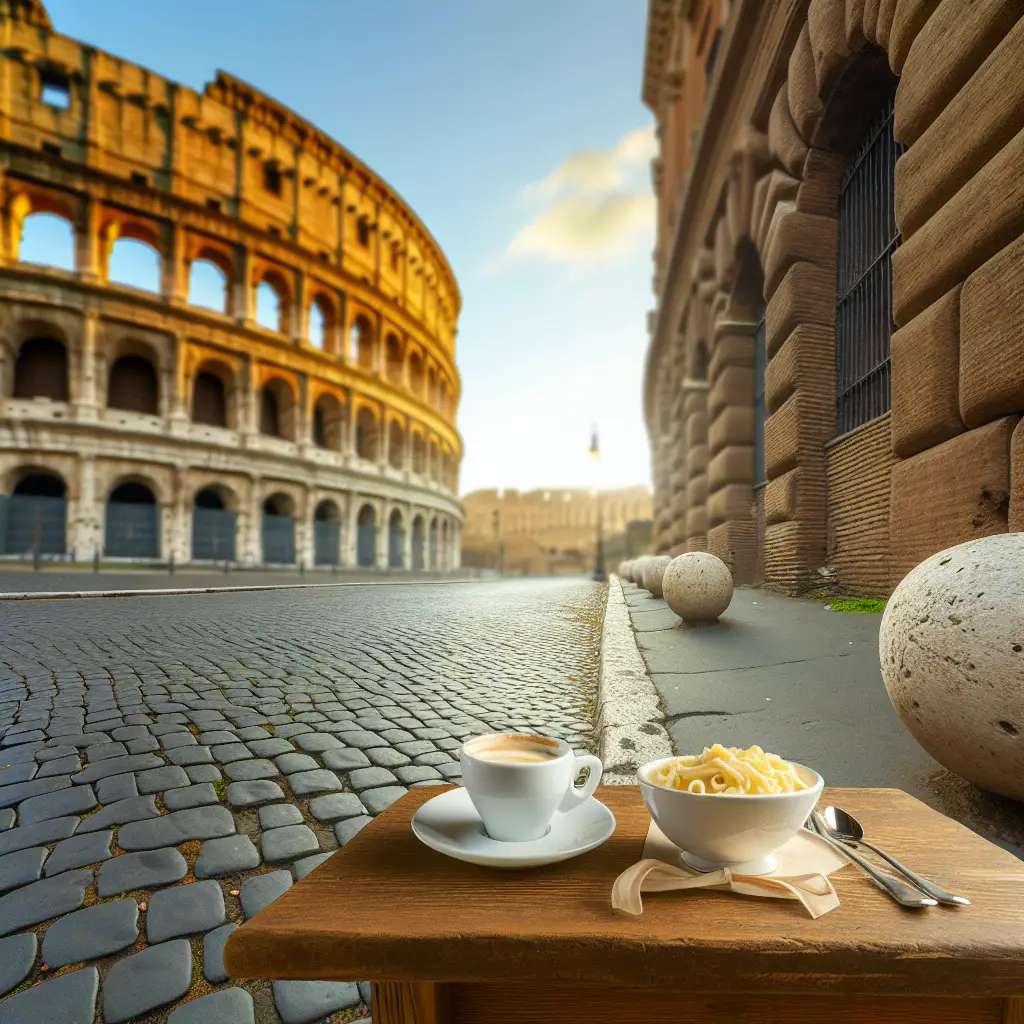
Rome rewards a well-shaped day more than an endless checklist. The Colosseum, Forum and Palatine belong to one chapter; the Pantheon, Piazza Navona and Trevi Fountain form a natural walk; the Vatican can absorb most of a day on its own. The real danger is not “missing a must-see”. It is crossing the city three times, stacking timed tickets and remembering Rome mainly as a series of queues.
This itinerary gives a first visit three clear landscapes: Ancient Rome, the Baroque centre, then the Vatican and the Tiber. It brings the useful ideas from LowCostWings’ former 48-hour, March and April pages into one evergreen guide. Gardens, food, walkable neighbourhoods and car-free logistics now sit inside the main route instead of competing with it in several thin articles.
The plan is deliberately flexible. You can enter the Colosseum or understand it from outside, choose the Vatican Museums or focus on St Peter’s Basilica, then spend the recovered time in Monti, Trastevere or Villa Borghese. In Rome, dropping an average visit often protects an excellent evening.
How should you organise 3 days in Rome?
Start with Ancient Rome if you are rested and have secured a morning entry. Keep the historic centre for a day that may need to stretch or contract: squares and churches tolerate a change of pace better than timed archaeology. Put the Vatican on your most stable day because museum slots, audiences, services and partial closures can reshape the route.
The right level of ambition: reserve one major complex per day, not three. Everything else should be able to expand, shrink or reverse according to heat, rain and crowds.

Where to stay in Rome for three days
Monti is the strongest compromise for a first trip focused on the ancient city. You can reach the Colosseum early, walk towards the centre and still have restaurants nearby at night. Streets rise and fall, while rooms close to the main roads can be noisy. Check the exact pin: “near the Colosseum” covers a wider area than many listings imply.
Centro Storico, around the Pantheon, Piazza Navona and Campo de’ Fiori, shortens day two and lets you revisit the squares early or late when groups thin out. It is the most atmospheric option and rarely the cheapest. Old buildings may also mean stairs, compact rooms and imperfect soundproofing.
Prati works when the Vatican is a priority and you prefer straighter streets, useful metro access and calmer evenings. Trastevere has genuine appeal, but its best-known lanes become loud and local transport relies more on buses and trams. Sleep on its edges rather than directly above its busiest tables.
Termini remains a practical choice for a late arrival, early departure or tighter budget. Quality changes street by street, so read recent comments about the immediate surroundings and preview the walk between the hotel and station before booking.
Monti or the historic centre
You pay more for the same room size, but the location fits the first two days and makes it easy to go out again after a rest.
Prati
A more settled district that supports day three and usually gives airport or station journeys a clearer structure.
Airports, public transport and the neighbourhood rule
From Fiumicino or Ciampino, compare the whole journey to your district rather than the headline fare. A direct train to Termini can suit Monti, while another rail or bus connection may work better elsewhere. A private transfer becomes reasonable for several travellers, a late landing or an awkward address, but confirm where the vehicle is allowed to stop.
Metro, tram and bus support the long walks. Tickets and passes can change, so use the official ATAC ticket page rather than a price copied into an old guide. Contactless payment can simplify occasional rides if you use the same card and understand when validation is required.
The most reliable method is to group each day by area. Take one ride in the morning when necessary, then walk within that chapter. A taxi after twenty kilometres on foot can rescue an evening; it is not a travel failure. A rental car, by contrast, adds restricted zones, parking and stress without improving this itinerary.
Protect departure day: do not place an important final visit directly before the airport journey. Buses, checks, roadworks and demonstrations can change a route that looked easy the previous evening.
Colosseum, Roman Forum, Palatine and Monti
Reach the Colosseum area before your slot and begin by reading the terrain. The amphitheatre, Arch of Constantine, Forum and Palatine are not four unrelated boxes. Together they form a political and urban landscape. Seeing that relationship before entering prevents the morning from becoming a guided march with no sense of direction.
If you go inside the Colosseum, choose the level of visit consciously: standard entry, arena, underground spaces or a guided tour. Access and inclusions change, so use the official seller or a provider that states exactly what is included. A guide adds value when the story connects the amphitheatre to the Forum and Palatine, not merely when it moves you through faster.
The Forum requires more attention than its map suggests. Choose three anchors — the Via Sacra, Curia and House of the Vestals, for example — and accept that you will not identify every column. Climb the Palatine to recover the geography and give your eyes a wider view. Stone, heat and limited shade drain energy quickly, so carry water and wear stable shoes.
Finish in Monti. Small squares, workshops, bars and restaurants provide a useful contrast with the ruins. Eat here instead of crossing Rome for Trastevere simply because another itinerary placed it on night one.

Pantheon, Piazza Navona, Trevi and an evening in Trastevere
Begin early around the Pantheon. Piazza della Rotonda is easier to understand before tour groups fill the centre. Enter if the day’s arrangements allow, then look at the dome from inside instead of collecting only the façade. Check tickets, services and rules on the official page because the Pantheon remains both a monument and a place of worship.
Walk to Piazza Navona through the smaller lanes. Here the route matters as much as the destination: façades, glimpsed courtyards, churches and fountains create the continuity of Baroque Rome. Campo de’ Fiori can join the morning, although its market is optional if your real aim is everyday food rather than another crowded stop.
Keep Trevi Fountain for a strategic visit, either early or later in the day. Since 2026 the closest basin area may use a ticket and specific access system; check Rome’s official visitor information rather than trusting an old video. The fountain can still be appreciated without fighting for the front row.
If you have energy, continue to the Spanish Steps or Villa Borghese. Otherwise cross the Tiber earlier and let Trastevere become a real evening rather than a photograph between bookings. Move two or three streets away from the strongest visitor flow, read the menu and favour a restaurant that does not recruit you from the pavement.

Pasta, supplì, markets and sensible choices
Rome’s four famous pasta dishes — carbonara, amatriciana, cacio e pepe and gricia — are rich. Eating one at lunch and another at dinner for three days does not prove authenticity. Alternate them with vegetables, pizza al taglio, soup, fish or neighbourhood cooking. A supplì is a good snack, not an automatic replacement for lunch.
Look for displayed prices, cover charge, service and weight when food is sold by the kilo. A terrace facing a monument also sells its location, which is not a trap when you choose it knowingly. The problem begins when the menu is unclear or a supplement appears without explanation.
Testaccio deserves a detour when food is a central goal, not a rushed crossing between museums. Monti, Prati and the quieter edges of Trastevere already offer enough variety along this itinerary. In Rome, the best restaurant is often the one that protects the evening rather than demanding forty minutes of transport.

Vatican Museums, St Peter’s Basilica and Prati
Decide before booking whether your priority is art or monumental architecture. The Vatican Museums and Sistine Chapel require a timed slot, several hours and a high tolerance for crowds. St Peter’s Basilica offers a different experience centred on architecture and worship, with separate checks and schedules. Both can fit, but they do not form a short, casual morning.
If you choose the museums, arrive with a shortlist of galleries or works. The route is vast and often channelled; trying to read everything causes exhaustion before the Sistine Chapel. A guide can add real value by creating a hierarchy. Always verify whether St Peter’s is included and whether direct passage is genuinely operating on your date.
If you skip the museums, arrive early in St Peter’s Square, visit the basilica under the current rules, then use the recovered time for Castel Sant’Angelo, Prati or the river. This version is not inferior. It gives more space to Rome and costs less.
Finish with lunch in Prati or return towards the centre over Ponte Sant’Angelo. The statues, water and domes produce a gentler exit than disappearing into the metro immediately after the museums.

How much should you budget for 3 days in Rome?
Rome remains manageable when you book few major sites, stay close to the route and eat simply some of the time. Costs rise quickly when a central hotel, several skip-the-line products, private transfers and view restaurants accumulate. Treat the ranges below as planning envelopes and recalculate them for your dates.
| Cost per person | Lean | Balanced | Comfort |
|---|---|---|---|
| 3 nights, shared double room | €120–240 | €240–450 | €450–850 |
| Food and drinks | €75–120 | €130–220 | €240–420 |
| City and airport transport | €25–55 | €55–100 | €110–220 |
| Visits | €35–75 | €80–170 | €180–360 |
| Total excluding flights | €255–490 | €505–940 | €980–1,850 |
Before buying a pass, total only the visits you would choose without it. A city card is not good value merely because it exists or promises to include everything. It can simplify a dense programme when compulsory reservations and transport coverage are understood in advance.
Rome in spring, summer, autumn or winter
In spring and autumn, expect long walking days and strong demand for major slots. Rain makes polished stones slippery without ruining the city. In summer, reverse the usual rhythm: outside early, a proper break during the hottest hours, then restart late afternoon. The Forum and exposed squares punish a midday checklist.
Winter’s shorter days favour museums, churches and longer meals. The city remains workable, though extended rain makes some archaeological visits less comfortable. Keep one indoor branch in each district instead of creating a separate “rain day” that forces you across Rome.

Eight mistakes to avoid in Rome
Booking the Colosseum and Vatican on one day
Distance is only part of the problem. Security and concentration make both visits tiring, so separate them.
Sleeping far away to save a small amount
An extra journey every morning and evening can erase the saving and shorten all three days.
Following a list without reading the map
Group sights by district and allow one major monument to wait for another trip.
Ignoring rules in active churches
Dress, silence, services and temporary closures take priority over a visitor itinerary.
Eating only beside monuments
It is not automatically bad, but prices and fast turnover often limit the experience.
Underestimating cobbles
Stylish but unstable shoes turn day two into a physical test.
Buying a pass before choosing visits
The calculation must begin with your route, never the pass provider’s list.
Placing a last ticket before the airport
Keep real margin for public transport, queues and disruption.
Rome in 3 days: FAQ
They are enough for a coherent first route through Ancient Rome, the historic centre and the Vatican. They are not enough for everything; limiting major tickets improves the trip.
No. Walking, metro, tram, bus and an occasional taxi fit the central districts better. A car complicates restricted areas and parking.
Choose the Colosseum for ancient history and the Forum–Palatine landscape; the Vatican Museums for art and the Sistine Chapel. St Peter’s Basilica can be visited without the museums.
Monti for balance, Centro Storico for the squares, Prati for the Vatican and Termini for logistics. Check noise, floor and exact walking distance.
Yes, by combining free squares, churches and neighbourhoods with one or two major tickets. Accommodation is the item to secure first.
Useful LowCostWings guides
For a more compact southern Italian journey, compare bases in where to stay in Puglia without a car, then use our Bari or Lecce comparison. If you are considering a less monumental short break, the guide to cheaper Mediterranean alternatives to Rome compares pace and cost.
Three legible days beat a rushed week
Keep Ancient Rome, the Baroque centre and the Vatican as three clear chapters, choose a district that protects your evenings and limit timed tickets. You will leave a few places for next time, but you will also leave with a real understanding of Rome — and a very good reason to return.
Disclosure: some booking links are affiliate links. Using them may support LowCostWings without changing the price shown to you. Recommendations remain based on usefulness and itinerary fit.