Valencia in 3 Days: Itinerary, Neighbourhoods, Beach and Budget
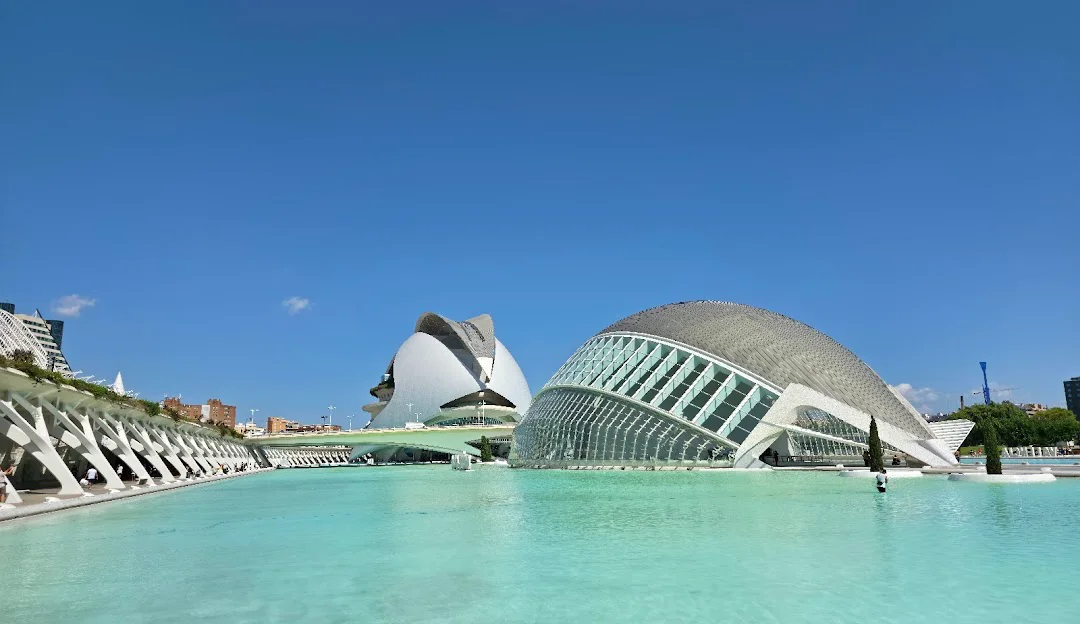
Three days between stone, gardens and the Mediterranean Valencia feels easy, and it is once you respect its geography. The old town, the long Turia Garden, the City of Arts and Sciences and the seafront do not form a compact circle. They create a several-kilometre line. A good trip therefore links each area at the time when it works best instead of collecting landmarks in random order.
This guide brings five overlapping French pages about winter, January, February, March and a second general itinerary into one evergreen pillar. It keeps the useful material — variable weather, areas to stay, costs, markets, gardens, beach and car-free logistics — while removing fragile promises and dated prices. The important questions are durable: which neighbourhood fits your trip, when is a bicycle useful, which attraction deserves a booking and when should you spend half a day at Albufera.
Three days are enough for a complete car-free visit: one day in historic Valencia, one following the Turia towards the contemporary complex, then a flexible day for the sea, neighbourhoods or lagoon. Do not use the same timetable in every season. Summer heat pushes long walks into the morning and evening; in winter, shorter daylight and coastal wind favour a more compact urban plan.
What is the best 3-day Valencia itinerary?
Keep day one compact in Ciutat Vella. The Central Market, Silk Exchange, Plaza de la Reina, Plaza de la Virgen, cathedral and El Carmen streets connect naturally on foot. Put the market in the morning while it is still functioning as a market, then choose one tower or one major interior. The old centre benefits from pauses: horchata, a proper lunch or a quiet square often reveals more than a fourth timed entrance.
Day two follows the former Turia riverbed. Walking is possible, but cycling makes the sequence clearer: historic bridges, gardens, sports facilities and the architecture of the City of Arts and Sciences. The complex is not one attraction. Hemisfèric, the science museum, Oceanogràfic, the opera house and the outdoor spaces serve different interests. Book only the building you actually want to enter.
Day three is the weather valve. Cabanyal and the beach give you an urban-maritime day. Albufera requires a more structured half-day and depends on transport, conditions and sunset time. Ruzafa and the museums make a strong wet-weather alternative when the sea is not the priority.
Best structure: protect one compact day, one linear day and one flexible day. It works far better than crossing the whole city three times.

Where should you stay in Valencia?
Ciutat Vella suits a short first visit. You step directly into the historic centre, reach the market on foot and retain plenty of evening atmosphere. The trade-off is street-specific: noise, taxi access, older buildings and rooms that may receive less natural light. Check the exact block rather than trusting a generic “central Valencia” label. A few hundred metres between La Seu, El Mercat and La Xerea can change the experience.
Ruzafa is the best balance for many travellers. Restaurants, cafés, a neighbourhood market and proximity to the main station create a lively base without making the monumental zone your whole trip. The district is larger than it appears. A southern address lengthens the walk to the cathedral, while a room above a popular bar requires convincing soundproofing. Adjacent Eixample is often calmer with similar practical benefits.
El Carmen appeals for narrow streets and nightlife. It works when you want to walk home after dinner, less so when silence is essential. Cabanyal is logical for the beach, tiled façades and a more everyday relationship with the sea. Tram and metro connections reach the centre, but you will spend more time on transport during the first two days.
Hotels around the City of Arts and Sciences tend to be modern and accessible, sometimes with pools. They suit families and Oceanogràfic visits, but are less natural for evenings in the old town. Compare the final cost: a slightly cheaper remote room may create more journeys and reduce the option to return for a rest.
Ruzafa and Eixample
Restaurants, a nearby station and a useful position between the centre and Turia.
Ciutat Vella
The historic core on foot, with careful checks for street noise.

Airport, metro, bus and bicycle: how do you get around?
The airport connects to the city on the metro network. Your best arrival station depends on the area: Xàtiva is useful for the main station and Ruzafa, Colón for Eixample, while Cabanyal may require a change. Lines, hours and tickets can change, so confirm the journey on the official Metrovalencia website, particularly for early or late flights.
Walk in the historic centre. Its lanes, squares and major buildings are too close together to justify connections. Use a bus or bicycle for the City of Arts so that the Turia Garden remains an enjoyable journey rather than a forced march. The tram helps with some seafront routes, but compare door-to-door time: waiting can erase the advantage shown by a map app.
A bicycle is the most satisfying tool for reading Valencia when you respect cycleways and pedestrians. Turia provides a protected axis, although intersections and shared spaces still require care. Use a hire company that supplies a proper lock, correct fit and clear local rules. One day is enough; hiring for all three rarely makes sense when your first day stays inside Ciutat Vella.
A car is a burden for this itinerary. Parking, restricted areas and rental costs add nothing to the first two days. A bus or organised outing can cover Albufera. Rent only if the Valencia stay becomes part of a genuine regional route that public transport cannot serve well.
Central Market, Silk Exchange, cathedral and El Carmen
Start at the Central Market. Its Modernist architecture attracts immediate attention, but the real value is in its daily use: produce, fish, cured meats, fruit and quick counters. Arrive before lunch, avoid obstructing local shopping and distinguish tasting from a full meal. A few products give context; a proper lunch deserves a kitchen rather than a series of rushed snacks.
Across the street, the Lonja de la Seda explains Valencia’s mercantile power. The columned hall, courtyard and sculpted details need less time than a large museum but more attention than a photograph at the door. Check official opening times and closures. The market–Lonja pairing is one of the most efficient and meaningful combinations in the city.
Continue to Plaza de la Reina and the cathedral. The Miguelete tower offers a useful panorama across rooftops, Turia and the direction of the sea, but its staircase is narrow and physical. If the queue is long or the heat intense, preserve your energy for the streets. Plaza de la Virgen links cathedral, basilica and civic buildings around a space where stopping is part of the visit.
Finish in El Carmen, at Serranos or Quart gates and among the street-art lanes. Do not search for a flawless route. Palaces, quiet squares and fragments of wall appear through detours. In the evening, return to Ruzafa for a more contemporary dining scene, or stay in the centre after choosing a restaurant beyond the first tourist terrace.

Turia Garden and the City of Arts and Sciences
Enter Turia near the centre and travel east. The former riverbed is everyday infrastructure: running routes, cycleways, pitches, gardens and cultural buildings. View the bridges from below to read different periods of the city, then take a real break instead of using the park merely as a corridor towards Calatrava’s complex.
Its volumes emerge gradually. Hemisfèric, the science museum, Palau de les Arts, Umbracle and Oceanogràfic do not offer the same experience. The outdoor ensemble is already a substantial free architecture visit. A ticket makes sense when the content matters to you. Oceanogràfic can absorb much of a day; Hemisfèric depends on the current programme.
On a first three-day trip, choose either one major institution or a slower exploration of the exterior continued towards the maritime districts. Booking several venues on the same day reduces the time available to understand the site and adds queues. Consult official pages for current exhibitions and access rather than relying on a static price table.
Return by bus when tired. If cycling, continue towards the port or return the bicycle near the centre according to the hire terms. Ruzafa is a natural evening destination after this linear day: access is straightforward, restaurants are varied and there is no need to retrace the busiest market-to-cathedral corridor.

Cabanyal and the beach, or an Albufera trip?
Cabanyal deserves more than a route to the sand. Colourful façades, the market, working streets and rapid neighbourhood change show a maritime Valencia unlike the centre. Walk with respect for local life: this is not a uniform decorative quarter. The friction between restored buildings, historic shops and new venues is precisely what makes it worth understanding.
Malvarrosa beach is wide and accessible. It works for a walk, a seasonal swim or a rice lunch, but winter should not be sold as guaranteed beach weather. Wind and water temperature alter the experience. A promenade remains enjoyable on a bright day; grey conditions favour museums or Ruzafa.
Albufera is the stronger alternative. Lagoon, rice fields, birds and nearby villages give the city’s rice culture a landscape. Plan transport around the return, daylight and service frequency. Sunset can be beautiful, but cloud or an awkward final bus can undermine the plan. An organised outing buys simplicity; public transport gives autonomy but demands preparation.
Do not combine Cabanyal, a long paella lunch, Oceanogràfic and Albufera in one day. Choose an urban seafront or a nature half-day. Any remaining time can support a museum, Ruzafa shops or a final old-town loop.

What should you eat in Valencia?
Paella valenciana is not generic yellow rice with interchangeable toppings. Traditions and seasonal versions vary, but the dish requires cooking time and is often shared. Reserve when the restaurant recommends it, ask how long it takes and check whether prices are quoted per person. Lunch is the natural moment. Searching for immediate late-night paella tends to lead towards the least convincing tables.
Near Albufera, rice dishes and all i pebre have clearer geographical context. In the city, explore market products, the substantial local mid-morning esmorzaret, tapas and horchata with fartons. Proper horchata should taste of tiger nuts rather than only sugar. Alternate traditional cafés and neighbourhood restaurants instead of pursuing one viral list.
Ruzafa and Eixample contain many contemporary kitchens. El Carmen is more uneven, mixing good restaurants with generic visitor menus. Cabanyal combines old dining rooms, bars and newer projects. Read the full menu: bread, service, terrace or other supplements can alter the bill. Short menus, local meal times and repeat customers remain useful signals.
How much does a 3-day Valencia trip cost?
Accommodation changes sharply around Fallas, major weekends, conferences and peak beach periods. Secure the room before attractions. Outside the busiest dates Valencia can be more forgiving than several Mediterranean cities, yet a late central booking can remove that advantage. Compare final prices with taxes and cancellation conditions.
Transport costs stay modest when you walk centrally and hire a bicycle for only one day. Attractions create the variable: the City of Arts exterior is free, while a major institution, several museums and an Albufera outing lift the budget. For food, combine market stops, one substantial lunch and a simpler dinner rather than eating every meal beside a landmark.
| Per person | Lean | Balanced | Comfort |
|---|---|---|---|
| 3 nights, shared double room | €90–180 | €180–330 | €360–650 |
| Food and drinks | €65–105 | €120–210 | €240–390 |
| Airport and local travel | €15–30 | €35–65 | €80–180 |
| Attractions and outing | €15–40 | €55–120 | €150–280 |
| Total excluding flights | €185–355 | €390–725 | €830–1,500 |
Use these as planning envelopes: recalculate for your dates and official prices. They are comparisons between travel styles, not live quotations.

When is the best time to visit Valencia?
Spring and autumn favour cycling and long walks. Rain is possible and the sea may not be warm, but the city–garden balance is strong. During Fallas the experience is extraordinary for visitors who want festival, noise and tradition; it is poor for anyone seeking a quiet bargain. Study restrictions, transport changes and event timetables before booking.
In summer, start the old town early, use an indoor stop during the hottest hours and reach the beach later. Turia provides shade in places, not everywhere. Water, sun protection and a realistic plan matter more than a packed list. Coastal demand can also push room prices upwards.
Winter works for a city break without promising swimming weather. Bright days support terraces and cycling, but wind, rain and cool evenings require another layer. January and February favour markets, museums and neighbourhoods; Albufera becomes more weather-sensitive. The old seasonal pages are consolidated here to avoid selling guaranteed warmth that Valencia cannot honestly promise.
Eight Valencia mistakes to avoid
A “beach hotel” chosen without checking transport complicates the central days. Renting a car just to remain in Valencia adds parking and restrictions. Scheduling Oceanogràfic, the science museum and the whole old town together turns the trip into queues and transfers.
Arriving at the Central Market after closing, expecting instant paella or booking Albufera without checking the return are calendar failures. Treating Turia as a thirty-minute attraction misses its role in the city; insisting on walking its full length can be equally tiring.
Always verify the exact address, district and city in booking results, and keep margin. A long rice lunch or improving weather should be allowed to change the plan rather than cause stress.
Valencia in 3 days: FAQ
Yes for the historic centre, Turia, the City of Arts and a maritime or nature day. Albufera means reducing the urban seafront programme.
Yes. Metro, bus, tram, walking and cycling cover this itinerary. A car only helps with a specific regional extension.
Ruzafa balances food, station and centre; Ciutat Vella maximises walking; Cabanyal prioritises the sea.
Book the specific venue you genuinely want, especially at busy times. The outdoor architecture does not require a ticket.
Yes as a city break, not as guaranteed beach weather. Keep an indoor alternative and make Albufera conditional on the forecast.
Choose a restaurant that cooks rice to order, explains pricing clearly and commonly recommends lunch or advance booking.
More useful LowCostWings guides
If you are choosing between two east-coast bases, our Valencia or Alicante comparison explains the differences in beaches, heritage and pace. To extend the route south, use our 3-day Seville guide. Our selection of affordable secondary Mediterranean cities also helps compare budgets beyond the most crowded capitals.
Valencia works when each day keeps its own territory
Begin with the old city, follow Turia into contemporary Valencia and let the final day answer the weather. That structure reduces transport, protects the meals and lets you choose between beach and lagoon without turning the trip into a race. The result is Valencia at its best: a credible balance of heritage, daily life and Mediterranean space.
Disclosure: some booking links are affiliate links. Using them may support LowCostWings without changing the displayed price. Recommendations remain based on their value to the trip.