Ghent in 2 Days: Itinerary, Where to Stay, Things to Do and Budget
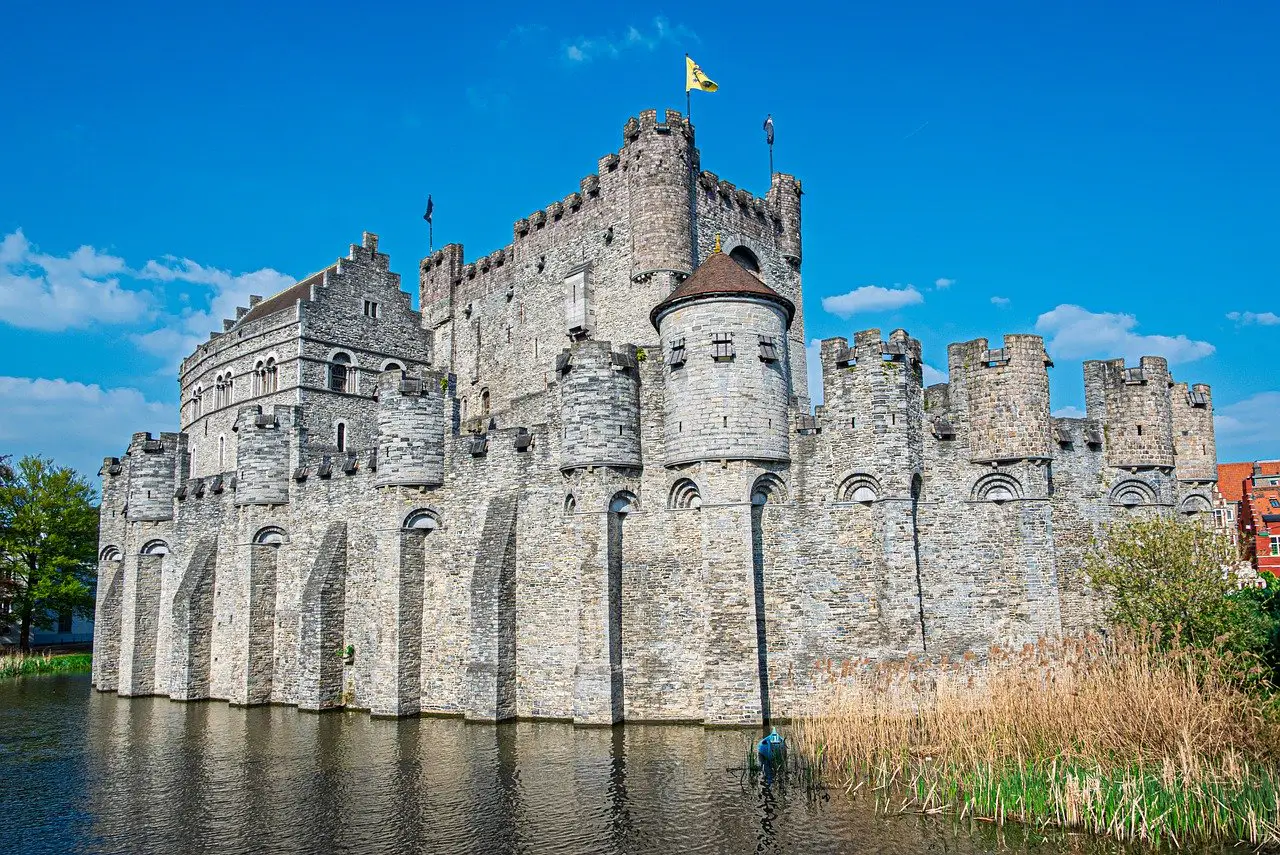
Ghent combines a monumental medieval centre with the energy of a university city. In two days, the Castle of the Counts, the three towers, Graslei, Korenlei and Patershol fit into a mostly walkable route. The real planning work concerns tickets, the transfer from Brussels, rain and the decision between a packed CityCard schedule and enough time beside the water.
This guide treats Ghent as a destination in its own right, not a less famous Bruges. It gives the museums, food and evening atmosphere enough room while keeping Bruges as a useful neighbouring guide. Prices and opening hours change; verify the current terms before buying a pass or timed ticket.
Our recommendation: arrive by train, stay in the historic centre or Patershol, visit Gravensteen early and keep Graslei and Korenlei for late light. The CityCard makes sense when you combine at least three paid sights with transport or a boat trip.
How to organise two days in Ghent
- Arrival and transport
- CityCard decision
- Essential sights
- Two-day itinerary
- Food and evenings
- Rain plan
- Budget
- Different travel styles
- Mistakes
- FAQ
The route is compact, but opening times create the structure. Place timed or popular interiors in the morning, use the riverside and streets between them, and return to the water after day visitors leave. Do not build the weekend from a photograph list: the value of Ghent is the continuity between monuments, university life, food and evening light.

Getting to Ghent and reaching the historic centre
Ghent has no passenger airport of its own. Most international visitors arrive through Brussels Airport, Brussels-Midi or another Belgian railway hub, then continue to Gent-Sint-Pieters. Check the Belgian railway planner for the exact journey and any works. Airport tickets and supplements can have specific rules, so buy the correct product rather than copying a fare from an old article.
Gent-Sint-Pieters is not in the postcard centre. Trams and buses bridge the final distance, while walking with luggage takes longer than first-time visitors often expect. Save the hotel stop and route before arrival. If the room lies in a pedestrian or low-access street, ask for the most practical drop-off point rather than navigating solely by the front-door pin.
Once settled, walking covers most sights. Public transport is useful for the station, heavy rain and accessibility needs. Cycling is part of daily life, but hiring a bicycle for a first 48-hour visit is optional, not compulsory. Tram rails, busy corridors and unfamiliar rules can remove the benefit inside the compact centre.
Driving: Ghent’s low-emission and circulation rules require current information. A car adds parking and access decisions and has little value for this itinerary. If you must drive, check the official city rules before departure, not when approaching the centre.
Is the CityCard Gent worth it?
The official CityCard is currently promoted in 48-hour and 72-hour versions, with the official page listing €49 and €55 respectively at the time of this update. Because prices and inclusions can change, verify them before publication or purchase. The pass includes a broad set of museums and transport benefits, but inclusion alone does not make it economical.
Build the paid plan first. If Gravensteen, the Belfry, a major museum and public transport all fit your two days, the 48-hour card can simplify the trip and compete well with separate tickets. If your weekend focuses on churches, streets, food and long waterside pauses, individual tickets may cost less and remove the pressure to “use” a pass.
Three or more paid sights
You want Gravensteen, the Belfry and at least one museum, with transport or a boat component adding value.
Outdoor-first weekend
Your priority is canals, churches, food, street life and one paid monument.
Timed masterpieces
Confirm whether a reservation or supplement is still required for the Ghent Altarpiece experience.
What deserves priority in Ghent
Gravensteen, the Castle of the Counts
The fortress changes the rhythm of the centre and gives useful views from its upper levels. Visit early because stairs, rooms and narrow circulation are more pleasant before the busiest period. Check accessibility and the current route if mobility is limited. The visit is more than a photo of the exterior, but it should not consume the entire morning.
The three towers and Saint Bavo’s Cathedral
Saint Nicholas’ Church, the Belfry and Saint Bavo’s Cathedral form the vertical spine of the city. Entering every building is not mandatory. The Belfry earns its place for the viewpoint and civic history; Saint Bavo’s is essential for the Ghent Altarpiece, whose visit has its own ticketing and presentation conditions. Verify the official cathedral information before fixing the sequence.
Graslei, Korenlei and the canals
The riverfront is not a single sunset stop. Walk it in the morning when façades are clearer, return in late light and use one bank to study the other. A boat trip adds the low perspective and reaches corners that are easy to miss on foot, but it does not replace the slower walk through bridges and side streets.
One museum beyond the medieval core
STAM explains the city and is a strong first choice for context. MSK suits fine art, while S.M.A.K. serves modern and contemporary interests. Their museum district is outside the tight historic loop, so pair the visit with a planned tram journey or a longer walk rather than treating it as a quick add-on.

A practical two-day Ghent itinerary
Gravensteen, Patershol and the old port
Begin at Gravensteen with a timed or early entry. After the castle, cross into Patershol while its lanes are still quiet. Continue towards the old fish market and the water rather than immediately choosing lunch. This first circuit reveals how closely the fortress, former port and residential streets overlap.
Have lunch before the busiest period or reserve a place you genuinely want. Patershol contains strong restaurants but also attracts concentrated demand. A simple soup, bread meal or daily lunch can protect the budget for dinner.
Graslei, Korenlei and the three towers
Walk both sides of the river and cross at Saint Michael’s Bridge for the classic alignment of towers. Visit the Belfry or cathedral according to the weather and your ticket plan. If the Ghent Altarpiece is a priority, do not assume that entering the cathedral automatically gives the full experience; confirm the current access format.
Let the afternoon end beside the water. A boat trip works well here when daylight remains, while a simple riverside pause gives the same itinerary breathing space. After dinner, return to Graslei and Korenlei. Lighting, students and residents change the mood once day groups leave.
Market streets, street art and a chosen museum
Start around Korenmarkt and move towards Werregarenstraat, the designated graffiti alley, without treating it as the city’s entire street-art scene. Continue to the museum chosen in advance. STAM gives the best urban overview; MSK and S.M.A.K. require a stronger interest in their collections.
If no museum appeals, use the morning for the abbey area, churches or a longer neighbourhood walk. A pass should not force a visit that holds no interest. Ghent’s public spaces and religious interiors can sustain a substantial morning at low cost.
Citadelpark, independent shops and a final canal loop
After a museum in the Citadelpark district, return by tram or walk back through a different corridor. Browse local shops without assuming every central souvenir is locally made. For food gifts, ask about storage and travel, especially for fresh products.
Use the last hours for what weather displaced: a boat ride, Belfry, cathedral or simply the water. Collect luggage with enough time for the tram to Gent-Sint-Pieters and the correct train. Belgian rail journeys are easy when the route is checked, but planned engineering works can alter platforms or connections.
What to eat and how to plan evenings
Ghent has a strong vegetarian culture as well as Flemish classics. Look for waterzooi, stew, fries, local beer and seasonal dishes, but do not order a checklist meal if the restaurant’s speciality lies elsewhere. Portions can be substantial. A lighter lunch and a booked dinner often produce better value than two full tourist menus.
Cuberdons are the cone-shaped local sweet commonly sold from stalls. Buy a small quantity first; their sweetness and shelf life make them a taste rather than an automatic large souvenir. For beer, ask for strength and size. Belgian labels can be deceptively easy to drink, and combining several strong beers with a packed next morning is poor itinerary design.
Patershol suits planned dining, the central streets offer variety and the student presence broadens low-cost options. Check Sunday and Monday opening, especially outside peak season. Ghent remains enjoyable at night without a formal activity: illuminated towers and the riverfront provide the natural final loop.
A rain plan that does not feel like a compromise
Belgian weather makes a flexible sequence essential. Put STAM, MSK, S.M.A.K., the cathedral and cafés into a movable indoor list. When a dry window appears, use it for the Belfry viewpoint, Graslei, Korenlei and the castle approaches. Cobblestones and castle surfaces become slippery, so footwear matters more than another item on the schedule.
A boat tour in light rain can still work if the vessel offers cover, but visibility and comfort vary. Confirm the boat type rather than assuming. Do not save every outdoor sight for one forecast-perfect afternoon; short dry periods often create better photographs and fewer crowds.

Realistic budget for two days in Ghent
These ranges are per person for two travellers sharing a room and exclude the journey to Ghent. Weekend demand, events and room location can move the total significantly.
| Item | Controlled budget | Comfort budget | Decision |
|---|---|---|---|
| Two nights | €110–190 | €220–360 | Centre versus station |
| Food and drinks | €70–115 | €140–220 | Light lunch, planned dinner |
| Transport | €15–30 | €35–65 | Train segment excluded |
| Sights | €35–65 | €70–120 | Pass versus individual tickets |
| Total | €230–400 | €465–765 | Check event weekends |
The CityCard can move money from separate tickets into one up-front purchase, but it does not lower the food or room budget. Calculate the named visits you will realistically complete. A central room may cost more yet save repeated station-area tram journeys and preserve the late-evening atmosphere.
Adjust Ghent to your travel style
Castle, towers and water
Keep the classic route, choose one museum and leave enough time for the riverfront after dark.
Altarpiece plus museum district
Reserve Saint Bavo’s format carefully and choose MSK or S.M.A.K.; do not force both in a short afternoon.
Short interiors and a boat
Use the castle early, add a covered boat trip and protect meal times. Long museum stacking rarely works.
Churches, streets and one ticket
Walk the centre, visit free interiors, bring a refillable bottle and pay for the single monument that matters most.
Seven mistakes to avoid in Ghent
Assuming the main station is central
Plan the final tram or walk, especially with luggage or a late arrival.
Buying the CityCard before choosing sights
Price the visits you will actually complete and verify current inclusions.
Treating Ghent as a Bruges day trip
The city’s evening life, museums and neighbourhoods justify an overnight stay.
Visiting Gravensteen at the busiest hour
Early entry improves narrow routes and upper-level viewpoints.
Ignoring Sunday or Monday closures
Restaurants and museums follow different weekly rhythms. Check each priority.
Adding too many strong beers
Ask for alcohol strength and serving size, then keep the next morning usable.
Driving without checking current access rules
Low-emission and circulation measures require official, date-specific information.

Ghent in two days: FAQ
Yes for the castle, towers, riverfront, one major museum and relaxed evenings. A third day allows more museums or a slower neighbourhood programme.
Stay overnight when possible. The centre becomes calmer and more atmospheric after day groups leave.
Not automatically. It is strongest for three or more paid attractions plus transport; an outdoor-first weekend may be cheaper with individual tickets.
The historic centre maximises walking, Patershol adds character and the station area suits early trains but requires transport to the sights.
Yes over several days, but each deserves its own route. Avoid reducing both to a rushed half-day checklist.
Yes. Museums, cathedral interiors, cafés and covered transport provide strong alternatives, while short dry windows can serve the canals and viewpoints.
What to reserve before a Ghent weekend
Book the room first, because a central address changes the value of both evenings. Read the location on a map rather than relying on “Ghent” in the listing: accommodation near Gent-Sint-Pieters is practical for trains but not a step from Graslei. Check luggage storage when arrival precedes check-in or the departure train leaves after check-out.
Then verify the Ghent Altarpiece format if it is a priority, followed by Gravensteen or any timed museum condition shown for your dates. Do not purchase a CityCard until those choices are written down. The pass should support a route you want, not create a route merely to recover its price.
Restaurants in Patershol and sought-after weekend tables may deserve a reservation, especially on Saturday. Keep the boat trip and viewpoint timing flexible enough to react to weather. A covered boat can help in light rain, while a clear late afternoon is better spent outside than inside a collection selected only because it was prepaid.
Save the train journey, final tram, hotel entrance and current CityCard terms offline. Belgian engineering works and platform changes are manageable when checked before leaving the hotel. Add a small time margin for cobbles, luggage and the distance between the historic centre and the main station.
Final 24-hour check: review railway works, museum closure days, the Altarpiece entry instructions and Sunday restaurant hours. These details shape the weekend more than another attraction added to the list.
Where to stay: choose a base that saves travel time
Compare the total trip cost, not only the room price: a cheaper address can add transfers, time or car hire.
Historic centre
The best two-day choice: almost everything is walkable and the centre is atmospheric after day visitors leave.
Patershol
Character, restaurants and smaller streets near the castle. Check soundproofing and luggage access over cobbles.
Gent-Sint-Pieters
Practical for late arrival or an early train, but each city-centre visit needs a tram or a long walk.

Three activities worth booking selectively
The boat reveals façades from water level; a walking or tasting tour is better for the living city and its stories.
Walking tour with boat or beer option
Check duration, group size and the exact meeting point.
50-minute medieval-centre boat trip
Compare inclusions and cancellation conditions.
Food and drink tasting walk
Read the fitness level, language and age requirements.
Continue planning without duplicating this itinerary
These guides extend the trip through another city, a different season or a useful budget comparison.
Official sources to check before departure
Schedules, prices, works, weather closures and access conditions are those published by the operator for your date.

Ghent rewards coherent choices
A good short trip does not try to tick every box. It protects travel time, places major sights at the right hour and keeps room for weather or an unexpected discovery. Book a suitable base first, then one activity that genuinely improves the itinerary.
Some accommodation and activity links are affiliate links. They may earn a commission without changing your price. Always verify schedules, cancellation terms and requirements with the provider.