Bruges in 2 Days: Itinerary, Where to Stay, Museums, Canals and Budget
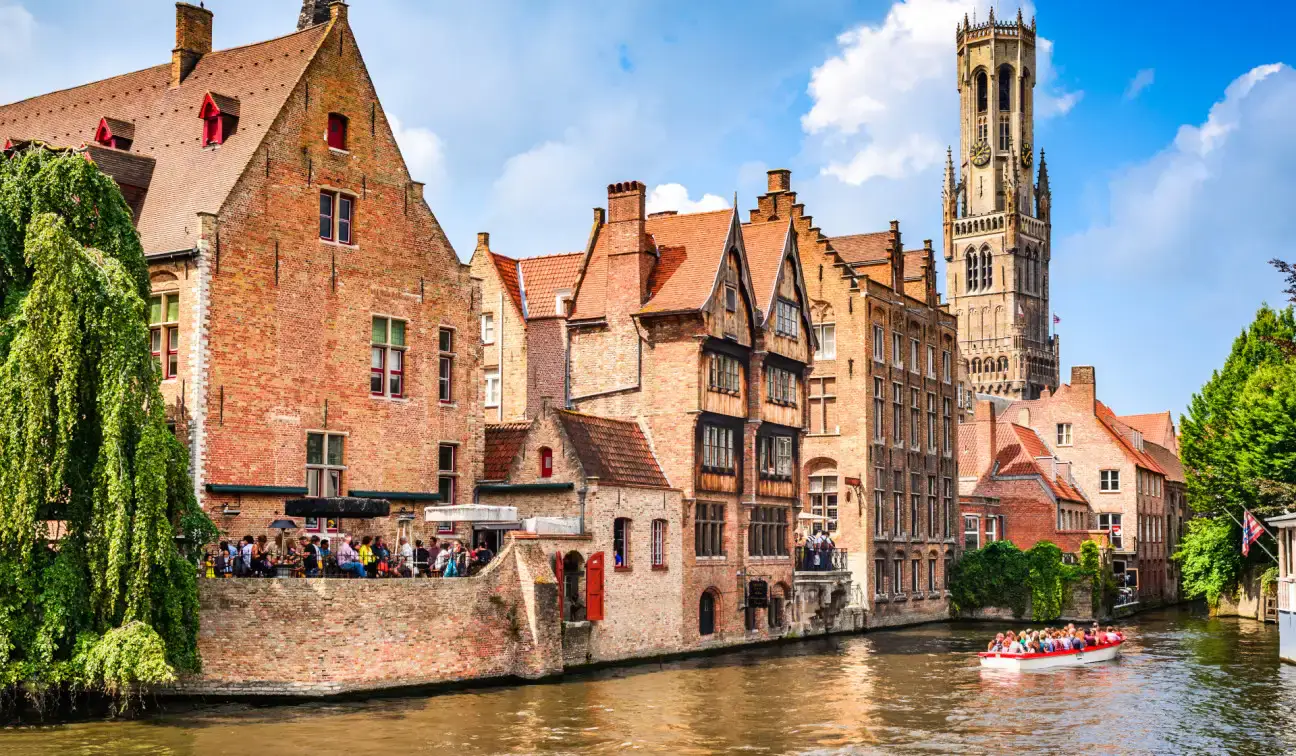
Bruges sometimes suffers from its perfect-set image: visitors crowd around Markt and Rozenhoedkaai, then conclude that the whole city is saturated. Two days change the perspective because mornings, evenings and residential quarters make the centre much calmer.
A good itinerary does not chase ten chocolate shops or three canal tours. It alternates heritage, water, one museum and pauses while linking nearby zones on foot. Hotel choice should account for the station, cobbles and central-street noise.
This page remains distinct from the Ghent guide: Bruges better suits a compact heritage stay, while Ghent offers more urban life. Cross-linking helps readers choose without merging the search intent.
Our recommendation: Arrive by train, stay in the centre or Sint-Anna, cover Markt–Burg–canals on day one, then Beguinage–Minnewater–museums and windmills on day two. One cruise is enough; use early mornings to recover the city.

Where to stay: choose a base that protects time and budget
When comparing, add room price, transfers, transport tickets and lost time. In Bruges, the best base is not always the cheapest: avoiding one daily return journey can save the cost of an activity or taxi.
Markt and Burg
Ideal for a first night and early starts. Everything is close, but prices and noise rise; read reviews and check whether the room faces a busy street.
Sint-Anna
The best compromise: canals, windmills and quiet streets while remaining within walking distance of the historic core. Late restaurant choice is narrower.
Station area
Practical for a late arrival or early departure, with quick access to the Beguinage and Minnewater. The setting is less medieval, but heavy luggage crosses fewer cobbles.

Arrival and transport without losing half a day
Train from Brussels, Ghent or the coast is generally simplest. Check tickets, reductions and works on the SNCB/NMBS website rather than trusting an old timetable.
From the station, reach the centre on foot or by bus. With luggage, a short bus ride protects energy; without bags, the walk through Minnewater creates a strong first impression.
A car is unnecessary in Bruges. Distances are short, but cobbles slow the pace; wear comfortable shoes and group visits by half of the city.
Download or capture useful information before departure: mobile data and apps should not be the only fallback plan.

A realistic 2-day itinerary
Day 1 — Markt, Burg, canals and Groeninge
Start on Markt before day trips arrive. If climbing the Belfry, check slots and accept the stairs; otherwise, read the square from ground level and keep energy for the day.
Continue through Burg, the Basilica of the Holy Blood and the quays. A canal cruise gives a different angle on façades, but take only one and do not spend lunch hour in a queue.
In the afternoon, choose the Groeningemuseum or Gruuthusemuseum according to interest. Finish at Rozenhoedkaai after the peak, then eat on a side street.
Day 2 — Beguinage, Minnewater, Sint-Anna and windmills
Start at Minnewater and the Beguinage in the quiet morning. Respect the lived and spiritual character of the place; it is more than a photographic set.
Return through side streets, then continue to Sint-Anna and the windmills. This section reveals a more residential Bruges and explains why a second night is worthwhile.
For a slow day, add one carefully chosen brewery or artisan chocolate shop. Otherwise, return towards the station with margin, especially on busy weekends.
The programme deliberately leaves breathing room. Half an hour between blocks is worth more than an address added only to lengthen the list.

What to book—and what can stay flexible
Book first what has limited capacity or determines the whole day. Keep secondary museums, cafés and walks flexible: that margin absorbs weather, fatigue and delays without damaging the trip.
Walk, boat and chocolate
A coherent first-visit format combining story, canal and tasting without buying three separate activities.
Walking tour, chocolate and boat
Compare meeting point and duration. It suits travellers who want a secured cruise rather than joining a random queue.
Tour with beer or boat options
Useful for a group with different interests, provided you check the exact option selected at payment.
The links above lead directly to the described products. Compare conditions, language, cancellation and meeting point before confirming.
Eat locally without turning every meal into a major expense
- Choose one chocolatier for quality rather than five for collecting bags.
- Treat fries as a simple meal rather than an extra between restaurants.
- For beer, read strength and serving size; a short tasting is enough to keep the day pleasant.
- Walk away from Markt for dinner: a few streets often change both price and calm.
One important reservation is enough on a short stay. Keep other meals flexible so they follow your neighbourhood, appetite and weather.

Realistic budget per person, excluding flights
| Item | Controlled budget | Comfort |
|---|---|---|
| Hébergement / Accommodation | 120–240 € | 260–480 € |
| Repas / Food | 60–100 € | 120–210 € |
| Train et bus / Train and bus | 25–60 € | 65–130 € |
| Musées et bateau / Museums and boat | 30–70 € | 80–150 € |
These ranges compare scenarios rather than promise a price. Weekends, events and late booking affect accommodation most; share rooms and transfers before cutting the visits that motivated the trip.
When to go and how to adapt the plan
Spring brings flowers and longer days; summer attracts many day trips. September and October often offer a good compromise. Winter can be atmospheric, but rain, wind and reduced hours require more museums and indoor pauses.
In every season, prepare one indoor alternative and a shorter version of each day. This fallback prevents delay or poor weather turning an ambitious plan into paid cancellations.

Choose the right trip scenario before booking
An itinerary works only when it fits the traveller. For a straightforward first visit, Markt and Burg reduces daily decisions: arrival, meals and departures remain clear. Sint-Anna works when neighbourhood atmosphere matters as much as efficiency. Station area becomes rational when its specific advantage—quiet, price or proximity to one activity—outweighs the extra journeys.
A budget scenario does not mean selecting the cheapest column automatically. A remote room, two taxis and a private transfer can exceed the supplement for a central hotel. Conversely, paying for a view or prestigious address brings little value when leaving early and returning late. Compare total cost across 2 days rather than the displayed price of one isolated night.
| Profile | Suggested base | Priority | Avoid |
|---|---|---|---|
| First visit | Markt and Burg | Simple journeys and essentials | Changing hotel |
| Couple / slow pace | Sint-Anna | Evenings and pauses | Stacking tickets |
| Controlled budget | Station area | Total cost including transport | Booking outside the network |
Booking strategy: what are you paying to gain?
Walk, boat and chocolate makes sense when it replaces several logistics steps or supplies context that is difficult to reconstruct alone. Compare Walking tour, chocolate and boat with an independent visit: departure time, real duration, transfer and cancellation policy often matter more than headline price. Tour with beer or boat options remains optional when freedom to photograph, eat late or change districts is the priority.
Start with the slot that could block an entire day, then book accommodation. Wait on weather-sensitive activities when cancellation is rigid. Conversely, a limited-capacity museum, regulated monument or heavily demanded excursion deserves an earlier decision. Save every confirmation offline with the exact address and local time.
Before paying, read what is excluded. A ticket presented as “complete” may omit the main admission, return transport, equipment or meal. Check the guide’s actual language, accessibility, time spent standing and finishing point. A worthwhile activity becomes a poor purchase when it leaves you far from the next plan.
Pace, accessibility and real comfort
Times shown by mapping apps assume continuous walking. They exclude cobbles, stairs, security checks and photo stops. Add roughly fifteen minutes around important visits and more with children, luggage or reduced mobility. That time is not wasted: it protects the meal, connection and quality of the next stop.
Prepare a shorter version of every day. It keeps one essential sight, one neighbourhood and a good meal, then removes the furthest excursion. This hierarchy prevents arguments in rain or queues. When the slowest traveller still enjoys the day, the plan is correctly sized.
For families, alternate one structured visit and free space. Solo travellers should keep late returns on familiar, well-lit routes. Couples should decide whether the higher budget goes to hotel, table or signature activity: funding all three at premium level quickly turns a short break into a far more expensive trip.
Reduce cost without impoverishing the trip
Accommodation is the main variable: the range begins around 120–240 € and can reach 260–480 € depending on dates. Flexibility on arrival day is the strongest lever, followed by monitoring cancellable rates until departure. A non-refundable booking rarely makes sense for a small saving while flights or weather may still change.
On the ground, concentrate spending on one memorable activity and one meal. Simple breakfast, a local-value lunch and water bought away from attractions release real budget without removing content. Walk within zones, use transport only between them and reject return journeys created by poor ordering.
Keep a 10–15% reserve for luggage storage, an unexpected transfer, rain or closure. Without it, any incident forces an expensive decision under pressure. With it, the trip remains controlled and you can calmly abandon an option that no longer fits the conditions.
Checklist 48 hours before departure
- Check arrival times, final transport and check-in procedure.
- Verify closures and works on official sources.
- Download tickets, maps and addresses offline.
- Confirm weather, footwear and an indoor fallback.
- Reserve only the meal or activity that truly matters.
- Keep margin before the return flight or train.
This final check turns editorial guidance into a usable plan. It matters particularly for evergreen pages: the article explains the method while official sources provide the exact service status on the travel date.
What must still be checked with an up-to-date guide
A strong article can stabilise choices—district, order of areas and budget logic—but should not freeze volatile information. Hours, works, fares, baggage rules and access change faster than the itinerary. Open official sources for the exact date, then compare them with the confirmation email: this double reading catches old times and relocated meeting points.
For prices, be cautious with “from” amounts. Recreate the purchase path to the step before payment to reveal taxes, options, times and conditions. Do the same for accommodation: read total price, cancellation, breakfast and real distance to the morning transport. A slightly dearer offer can be substantially better once supplements are added.
Finally, check operational weather rather than one general icon. Wind, heat, hourly rain and visibility affect different activities. Decide the night before which part of the plan stays fixed and which can switch. This flexibility does not reduce the content of the stay; it allows you to experience it under better conditions.
How to design each day without wasting energy
Place the least flexible visit first, but do not automatically place the most famous one first. A timed museum deserves priority because a missed slot has a cost; an open square can move later. Then add one geographically adjacent block and one meal. Only after those three elements work together should another stop enter the plan. This method reduces both backtracking and the mental load of constant navigation.
Use meals as anchors. Lunch divides a walking day into two manageable zones, while dinner marks the point beyond which no transport-heavy activity should be added. When an activity already includes food, count it as the meal rather than an extra. This simple rule prevents overspending and protects the appetite needed to enjoy local dishes instead of merely completing a checklist.
Carry less than you think you need. Water, a compact weather layer, a charged phone and one offline address solve most ordinary problems. Heavy day bags slow stairs, security and cobbled streets. If arrival or departure leaves you with luggage, price a formal storage option before improvising; the cheapest locker is poor value when it forces a long detour.
At the end of each day, review only the next morning. Confirm the first route, opening condition and ticket, then stop planning. A short trip improves when decisions are made at the right time rather than continuously. The article supplies the structure; your evening check supplies the current facts and preserves enough spontaneity for the destination to feel like a place rather than a project.
Common mistakes to avoid
- Visiting only between 11 a.m. and 4 p.m., exactly when day trips peak.
- Staying far away to save money without factoring in the last train or walk.
- Taking several similar cruises instead of adding a museum or Sint-Anna.
- Confusing Bruges and Ghent in internal linking or editorial intent.
- Forgetting that cobbles change the pace with luggage or reduced mobility.
Frequently asked questions
Are two days too long in Bruges?
No. A second morning opens the Beguinage, windmills and a much quieter city.
Where should you stay?
Markt for central access, Sint-Anna for calm and the station area for logistics and luggage.
Should the Belfry be booked?
Check official conditions. Limited slots and the stairs justify planning when the climb is a priority.
Bruges or Ghent?
Bruges for compact romantic heritage; Ghent for a livelier, broader city. They deserve separate pages.
Is a car useful?
No. Train and walking are simpler; parking adds cost without improving this plan.
Continue planning
Official resources to check
Check hours, prices and closures on these sources before publication and again before travel.
When your dates coincide with an event, public holiday or late arrival, repeat the accommodation and transport simulation. The itinerary structure remains valid, but the order of days may need to change. Save the decision on your phone with one fallback so you do not have to reread the entire guide on the ground.
Some links may be affiliate links, at no extra cost to you.