Prague in 3 Days: Neighbourhood Itinerary, Where to Stay and Budget
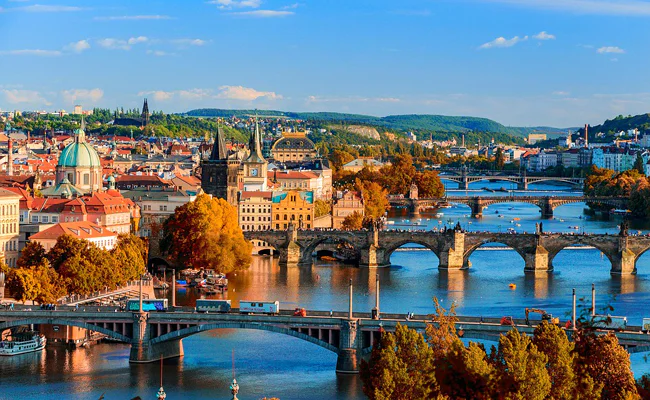
Prague is highly walkable, yet an unplanned route becomes tiring when Old Town, the castle and the left-bank neighbourhoods are mixed into every day. The strongest plan is geographical: give each cluster enough time, cross the Vltava deliberately and save the famous streets for quieter hours rather than treating them as shortcuts at noon.
This three-day itinerary starts with Staré Město and Josefov, moves to Prague Castle and Malá Strana, then uses the final day for New Town, Vyšehrad or Letná. It is designed for a car-free trip and leaves room for cafés, gardens and Czech food. Seasonal advice is included where it changes the decision, but the core route does not depend on temporary events.
Three days are enough for a rewarding first visit if one major ticket anchors each day. A fourth night creates space for Kutná Hora, deeper museum visits or slower residential neighbourhoods. Always check official opening information before departure: access to castle buildings, synagogues, gardens and the funicular can change with season, maintenance or ceremonies.
The trip at a glance
This itinerary uses coherent areas, one structural booking per day and a complete budget.
When to go and how many days to allow
Spring and early autumn offer the best balance of daylight, comfortable walking and manageable crowds. Castle gardens and Petřín make the left bank especially rewarding then. Accommodation can still be expensive in May, June and September, so test different arrival days before pushing your hotel far from the centre.
In summer, place Charles Bridge and exposed sights early, then use museums, a long lunch or a cruise during the hottest hours. Winter changes the pace rather than removing Prague’s appeal: daylight is short, cobbles may be slippery and some outdoor areas close earlier. Christmas-market dates can also create sharp price and crowd peaks that seasonal averages hide.
Trip length matters more than finding a perfect month. With two days, keep Old Town and the castle. With three, add Vyšehrad or Letná. With four, choose one excursion or a genuinely slow neighbourhood day instead of repeating central attractions.
Where to stay
A few tram stops can produce meaningful savings, but a remote room adds connections every evening. Compare the exact distance to a useful stop, the gradient and the street’s night-time character. Labels such as “Prague 1” and “central” cover very different experiences.
On a first trip, aim to walk home after dinner without sleeping directly above the busiest routes around the astronomical clock or Wenceslas Square. A quiet room one block back is often more valuable than a landmark address with weak soundproofing.
Nové Město
Metro, trams, the main station and a broad restaurant choice make arrivals simple. Pick a side street: Wenceslas Square is useful but its main routes remain active late.
Malá Strana
Quiet mornings and direct castle access are the reward. Cobbles, hills and higher prices make the hotel’s exact position more important than its neighbourhood label.
Staré Město
Efficient for a very short break, provided you avoid the loudest night-time passages. Read soundproofing reviews rather than choosing purely by distance from the clock.
Vinohrady
Cafés, residential streets and metro access create a strong compromise. It suits travellers comfortable with a ten-to-twenty-minute ride before the first morning sight.

Airport, public transport and walking
From Václav Havel Airport, public buses connect with metro or trolleybus services; the best combination depends on your hotel and current works. Use the official PID journey planner on arrival day and obtain a valid ticket before boarding. Public transport is usually best with light luggage, while a direct transfer can make sense for a group, a late landing or limited mobility.
Time-based tickets and passes cover metro, trams and buses within their conditions. Do not automatically buy a multi-day pass: much of the historic centre is walked, and a few targeted rides may cost less. Trams are valuable for avoiding an unnecessary climb to the castle and for linking Malá Strana with Letná, Vinohrady or Holešovice.
Validate the ticket correctly when the format requires it and keep it until the journey ends. Inspections are genuine. With luggage, a pushchair or a wheelchair, check the accessibility of both stations and the interchange itself; some routes add stairs and long corridors even when the final stop is accessible.
Charles Bridge is part of the sightseeing experience, not efficient transport at peak time. Cross early or late for the atmosphere, and use another bridge or a tram when the central span becomes congested.

Detailed Prague itinerary
The route keeps a buffer around tickets and offers a genuine alternative when the third day is optional.
Old Town, Josefov and the Vltava riverfront
Morning. Reach Old Town Square before the main crowds. See the astronomical clock without waiting through several cycles, then link the Týn courtyards, Powder Tower and Municipal House. Doorways, passages and façades explain the district better than a rushed sequence of photo stops.
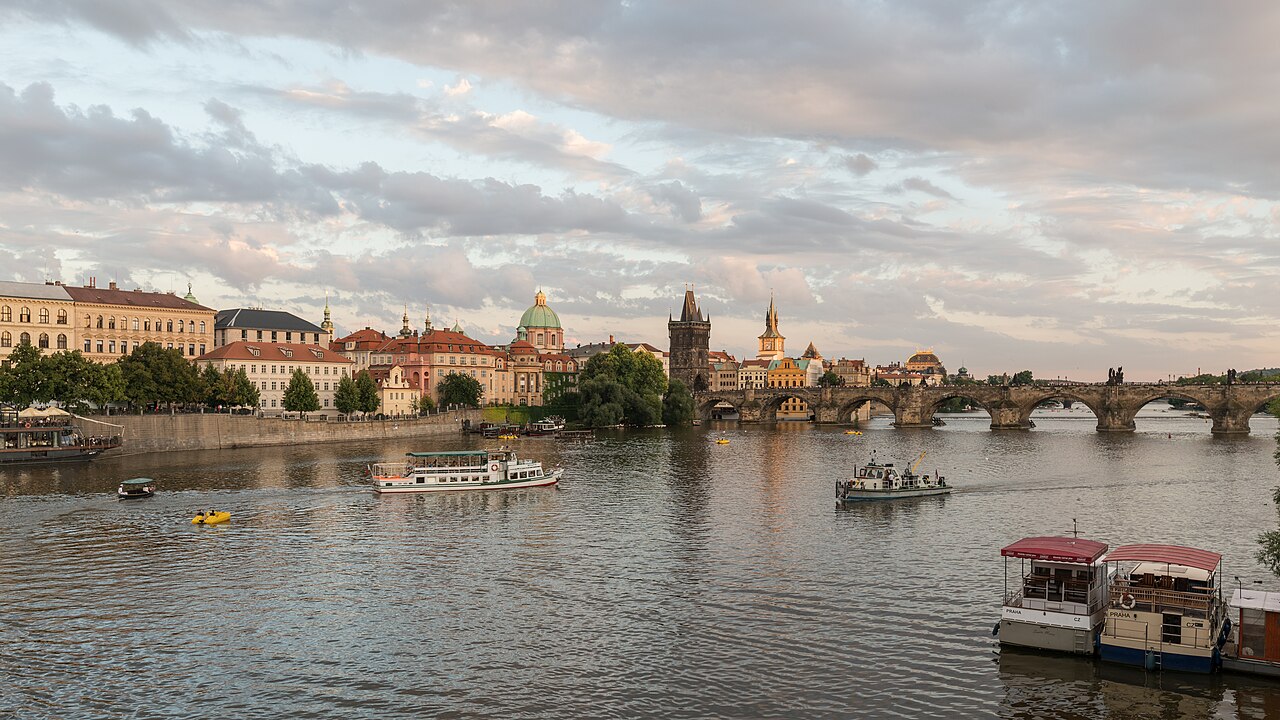
Afternoon. Give Josefov a coherent block. Decide beforehand whether the synagogues and Old Jewish Cemetery are a priority or whether you only need an informed walk through the district. Continue to the Rudolfinum and riverbank, where the view begins to connect Old Town with the castle.
Evening. Eat away from picture menus on the main square, then return towards Charles Bridge after the peak. A short cruise can replace the river walk in poor weather, but it should not force a late arrival at a timed attraction.
Why this order: every stop remains on the right bank and the most demanding historical visit happens before fatigue. Josefov becomes a real choice rather than a box squeezed between meals.
Prague Castle, Hradčany, Malá Strana and Petřín
Morning. Take a tram uphill to Hradčany and preserve energy for the castle complex. Arrive near opening, check exactly what your circuit includes and allow time for St Vitus Cathedral, the Old Royal Palace and the courtyards. Security and queues belong in the schedule.
Afternoon. Walk downhill through Hradčany into Malá Strana. St Nicholas, the Wallenstein Garden when open and Kampa form a natural sequence. Add Petřín only if visibility, service status and your legs make it worthwhile; the summit is optional, not a test of commitment.
Evening. Stay on the left bank for dinner and cross Charles Bridge as day groups thin out. This is the most physical day because of slopes and cobbles, so a simple evening protects the final day better than another late ticket.
Why this order: transport handles the climb and the descent becomes the sightseeing route. No return journey to the castle is needed, and the neighbourhood’s topography becomes part of the story.
New Town, Vyšehrad or Letná
Morning. Start at Wenceslas Square, use the passages of Nové Město and continue towards Charles Square. Architecture-minded travellers can add the Dancing House; history-focused visitors may prefer the National Museum, depending on tickets and current exhibitions.
Afternoon. Choose one branch. Vyšehrad combines ramparts, cemetery, basilica and river views in a calm setting. Letná and Holešovice are stronger for parks, cafés and contemporary art. Selecting one prevents the final day from becoming a transport exercise.
Evening. Finish in Vinohrady or the chosen district for a less touristic dinner. Leave a genuine margin before collecting luggage: the network is effective, but platforms, cobbles and an unfamiliar exit can still slow the trip.
Why this order: the third day adapts to the traveller and reveals a Prague beyond the postcard core. It also acts as a buffer if rain or a closure disrupted one of the earlier days.

What should be booked first?
The three options below link directly to the described product. Compare language, inclusions, cancellation and end point before confirming.
Prague Castle
A short introduction with admission works when you want context for the courtyards and buildings without turning the complex into a five-hour tour. Confirm the meeting point, end point and included interiors.
Jewish Town
A combined Jewish Town ticket is valuable when several synagogues are a real priority. Check closure days and resist placing the visit between two inflexible appointments.
Vltava cruise
A cruise is best used as a rest and a different view of the bridges. It does not replace walking through Malá Strana or a deeper historical visit, so choose it for the landscape rather than coverage claims.

Eat well without multiplying tourist traps
Czech cooking is generous, so a substantial lunch and lighter dinner often work better than repeating meat, sauce and dumplings at every meal. Look for svíčková, Czech-style goulash, duck, soups or cheese according to appetite, then use the modern cafés and bakeries of Vinohrady or Holešovice for contrast.
On Old Town Square, a terrace largely sells its position. Read the entire menu, examine service charges and check the serving unit for drinks. Local beer can remain good value in an ordinary neighbourhood pub and become surprisingly expensive on a tourist route or in an “old medieval” concept.
For an efficient meal, move two or three streets away from a major monument and favour a concise menu. Reservations matter for a specific destination or a Friday night; keeping another meal open lets the route respond to weather, queues and hunger.
- Staré Město: convenient at lunch, but compare menus before sitting down.
- Malá Strana: appealing for dinner after day visitors leave.
- Vinohrady: neighbourhood cafés, brunches and contemporary Czech cooking.
- Holešovice: a useful food base when the final day includes Letná.
- Markets and stands: worthwhile for tasting, weaker when the offer is designed only for visitors.

Realistic budget per person, excluding flights
These are planning ranges per person, assuming shared accommodation where a room is involved. They are not a quote for every date. Weekends, December events, conferences and late booking affect the hotel most; food and local transport are easier to adjust.
The strongest saving is not deleting the castle or Josefov but choosing one paid anchor per day. Walk by district, eat lunch away from the central squares and compare hotel cost after transport. Keep another 10–15% for luggage storage, a late transfer, weather or a changed plan.
| Item | Controlled budget | Comfort |
|---|---|---|
| Accommodation, 3 nights | €150–300 | €330–600 |
| Food and drink | €75–120 | €150–240 |
| Local transport | €15–30 | €40–75 |
| Sights and activities | €45–90 | €110–210 |
| Total excluding flights | €285–540 | €630–1,125 |
Booking strategy and backup plan
Book the items with a fixed time or real capacity first: a castle circuit, the Jewish Town combination or a specific guided visit. Accommodation follows when your dates hit a busy weekend. A cruise, secondary museum or tower can remain flexible if cancellation terms are poor.
Before payment, check language, exact meeting point, included entrances and where the activity ends. In Prague, “castle tour” may mean an outdoor introduction, partial ticket or long interior circuit. The sales headline is not enough to compare two products.
Save confirmations and maps offline. Also define a short version of each day: Old Town without Josefov, castle without Petřín, New Town without Vyšehrad. This hierarchy makes rain, ice or a closure manageable without an impulsive replacement purchase.
Pace, accessibility and the short version
Map times assume continuous movement. In Prague, they exclude security, station exits, queues and photo stops. Add fifteen minutes around a reserved visit and more with children, luggage or reduced mobility. The buffer protects lunch and the next activity; it does not remove value from the day.
Define a short version each morning with one essential sight, one neighbourhood and one good meal. Remove the most distant extension first, then a secondary interior. Do not sacrifice the airport margin or the admission that motivated the trip. This hierarchy prevents an expensive decision in rain or a queue.
For accessibility, verify the exact monument entrance, station lift and surface of the route. A general “accessible” label may not describe cobbles, gradients or waiting areas. Contact the site when access determines the visit and keep a strong alternative in the same district.
Cut costs without weakening the trip
Start with accommodation, the largest variable in Prague. Compare the total including cancellation, taxes, breakfast and airport transport. A slightly dearer central room can cost less than a remote address followed by taxis or late connections.
Concentrate spending on one memorable visit and one meal. Free viewpoints, walkable districts and a simple lunch release real budget. A pass only pays when its included admissions match the plan; total the tickets you would independently buy.
Keep a 10–15% reserve for storage, weather, an unexpected transfer or closure. Without it, a small disruption forces an urgent purchase. With it, you can reject an activity that no longer makes sense and preserve the priorities.
Checklist 48 hours before departure
Confirm local arrival time, last transport, check-in procedure and the first ticket. Download confirmations, maps and addresses. Check works, closures and baggage rules on official sources, then read the hourly weather rather than one general icon.
- Confirm slots and the exact entrance for each sight.
- Recalculate the airport-to-hotel journey.
- Prepare an indoor option and a short version.
- Check shoes, water and seasonal protection.
- Leave a real margin before the return flight or train.
Common mistakes to avoid
The plan becomes far more reliable when these mistakes are removed before departure.
- Crossing the centre repeatedly instead of planning by riverbank.
- Reaching the castle at peak time without deciding which circuit matters.
- Buying a long transport pass when most of the route is on foot.
- Eating on every famous square without checking service and serving sizes.
- Scheduling Josefov without checking closure days and access rules.
- Underestimating cobbles, slopes and cold on a Hradčany–Petřín day.
Frequently asked questions
The answers below resolve the decisions travellers most often face.
Are three days enough for Prague?
Yes. Three days cover Old Town and Josefov, the castle and Malá Strana, then a third cluster such as Vyšehrad or Letná. The trade-off is choosing among secondary museums.
Where should a first-time visitor stay?
Nové Město simplifies transport and value; Malá Strana prioritises atmosphere; Staré Město maximises walking but requires a careful noise check.
Can Prague be visited without a car?
Yes, and a car makes parking and central streets harder. Walking, trams and metro cover this route; a direct transfer is only useful in specific circumstances.
Do I need cash?
Cards are widely usable, but your bank’s terms still matter. Decline poor dynamic currency conversion and avoid exchange offices whose effective rate is not clearly displayed.
Is Prague Castle free?
Courtyards and some outdoor areas may not require the same ticket as the interiors. Check the official circuit for your date and the buildings you actually want to enter.
When is Charles Bridge quietest?
Early morning gives space and late evening brings atmosphere. At midday, treat it as a slow attraction rather than an efficient crossing.
Is Prague worthwhile in winter?
Yes, with a different rhythm: more indoor stops, suitable footwear, shorter days and cautious booking around Christmas markets.
Should every restaurant be booked?
No. Reserve one table that genuinely matters and keep the rest flexible, protecting the trip from delays, weather and changing neighbourhoods.
Official sources to recheck
Hours, prices and conditions change faster than the route. Check these sources when booking and again before travel.
Prague in 3 days: the balanced plan
A successful short trip does not try to cover everything. It protects the sights that define the destination, groups neighbourhoods and leaves enough room for weather, queues and one deliberate meal.
Transparency: some booking links are affiliate links. Using them may support LowCostWings without changing the displayed price. Recommendations remain based on trip value.