Santorini in 2 Days on a Budget: Itinerary, Where to Stay and Transport
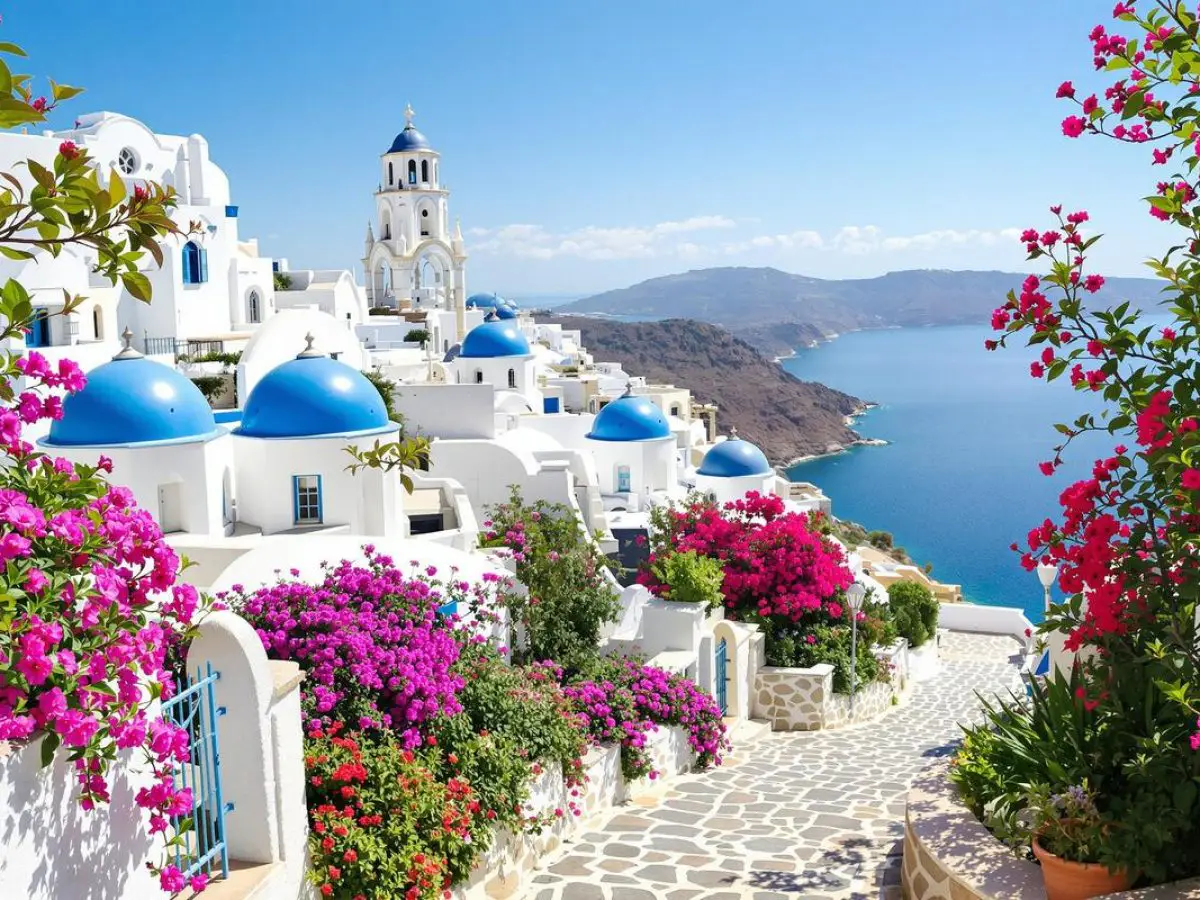
Santorini can be affordable, but it punishes improvised decisions. A cheaper hotel far from a bus stop, a late port transfer or a view restaurant chosen without reading the menu can erase every saving made on the flight.
Two days require a clear choice: caldera villages and sunset, followed by archaeology and beaches or a boat trip. Adding Oia, Akrotiri, Red Beach, Pyrgos and a cruise mostly creates missed connections.
This guide focuses on decisions that control total cost. Bus timetables, site access and sea conditions change; verify official sources for your date.
Our recommendation: For two days, stay in Fira if you rely on buses or Kamari/Perissa if price and beach matter more. Walk the caldera settlements on day one, then choose Akrotiri and the south or a cruise on day two—not both.

Where to stay: choose a base that protects time and budget
When comparing, add room price, transfers, transport tickets and lost time. In Santorini, the best base is not always the cheapest: avoiding one daily return journey can save the cost of an activity or taxi.
Fira
The most logical car-free base: main bus hub, varied restaurants and easy departures to Oia, Akrotiri and the beaches. Caldera-edge streets cost more; walking a few minutes inland often changes the rate.
Imerovigli
Choose it for quiet and views, not the lowest budget. It suits couples willing to walk or spend more on taxis in exchange for avoiding Fira’s bustle.
Kamari or Perissa
The strongest lever for a beach base at a softer price. In return, every caldera visit adds transport; this works best when swimming matters as much as villages.

Arrival and transport without losing half a day
From the airport, the bus to Fira is often the cheapest solution. From Athinios port, account for simultaneous ferry arrivals and the winding access road. For a group or late arrival, a pre-booked transfer can become rational.
KTEL routes largely radiate from Fira. This makes travel clear when you stay there, but can require returning to the hub between places that look close on a map.
A rental car for only two days is useful only when linking several southern villages quickly. Add parking, collection time and fatigue before deciding that a car saves money.
Download or capture useful information before departure: mobile data and apps should not be the only fallback plan.

A realistic 2-day itinerary
Day 1 — Fira, Firostefani, Imerovigli and Oia
Start in Fira, use the lanes before the hottest hours and progress through Firostefani to Imerovigli. The full walk to Oia needs time, water and suitable shoes; do not make it compulsory in strong heat.
Eat away from the most obvious terraces, then use the bus to Oia if you walked only part of the trail. Explore side lanes rather than following every queue to the same photo spots.
For sunset, choose a safe position and arrive with margin. The moment is beautiful, but crowds and the return journey are part of the experience; leaving slightly early can avoid a long wait.
Day 2 — Akrotiri and the south, or a caldera cruise
Land option: reach prehistoric Akrotiri early, then view Red Beach from an authorised point without walking beneath unstable cliffs. Add Pyrgos for a village less dependent on the sunset spectacle.
Sea option: choose a cruise whose port, transfer, meal and duration are clearly described. A good product replaces several journeys and gives a coherent reading of the caldera.
Do not combine both options in a two-day stay. Protect time to collect luggage and reach the airport or ferry; island roads congest quickly.
The programme deliberately leaves breathing room. Half an hour between blocks is worth more than an address added only to lengthen the list.

What to book—and what can stay flexible
Book first what has limited capacity or determines the whole day. Keep secondary museums, cafés and walks flexible: that margin absorbs weather, fatigue and delays without damaging the trip.
Sunset cruise with meal
Worth considering when it replaces both a view dinner and several transfers; check pickup point and vessel size.
Caldera catamaran with meal
Choose it for a structured half-day on the water. Compare stops, passenger numbers and what is genuinely included.
Guided Akrotiri visit
Useful when archaeology truly matters: interpretation makes the covered site legible and prevents a visit reduced to difficult walls.
The links above lead directly to the described products. Compare conditions, language, cancellation and meeting point before confirming.
Eat locally without turning every meal into a major expense
- Eat lunch in an inland village taverna rather than the first caldera terrace.
- Read the menu before sitting down for sunset; the view can double the bill without improving the food.
- Try fava, local tomatoes and keftedes, but share smaller dishes to control cost.
- Buy water and breakfast from a bakery or supermarket; repeated purchases beside sights add up quickly.
One important reservation is enough on a short stay. Keep other meals flexible so they follow your neighbourhood, appetite and weather.

Realistic budget per person, excluding flights
| Item | Controlled budget | Comfort |
|---|---|---|
| Hébergement / Accommodation | 130–280 € | 300–620 € |
| Repas / Food | 65–110 € | 130–230 € |
| Bus et transferts / Buses and transfers | 20–55 € | 70–180 € |
| Visites ou croisière / Visits or cruise | 25–90 € | 110–240 € |
These ranges compare scenarios rather than promise a price. Weekends, events and late booking affect accommodation most; share rooms and transfers before cutting the visits that motivated the trip.
When to go and how to adapt the plan
April to June and September to October often offer the best balance of weather, walking and crowds. July and August require early starts and more reservations. In winter the island is quiet, but several connections, hotels and activities run a reduced service.
In every season, prepare one indoor alternative and a shorter version of each day. This fallback prevents delay or poor weather turning an ambitious plan into paid cancellations.

Choose the right trip scenario before booking
An itinerary works only when it fits the traveller. For a straightforward first visit, Fira reduces daily decisions: arrival, meals and departures remain clear. Imerovigli works when neighbourhood atmosphere matters as much as efficiency. Kamari or Perissa becomes rational when its specific advantage—quiet, price or proximity to one activity—outweighs the extra journeys.
A budget scenario does not mean selecting the cheapest column automatically. A remote room, two taxis and a private transfer can exceed the supplement for a central hotel. Conversely, paying for a view or prestigious address brings little value when leaving early and returning late. Compare total cost across 2 days rather than the displayed price of one isolated night.
| Profile | Suggested base | Priority | Avoid |
|---|---|---|---|
| First visit | Fira | Simple journeys and essentials | Changing hotel |
| Couple / slow pace | Imerovigli | Evenings and pauses | Stacking tickets |
| Controlled budget | Kamari or Perissa | Total cost including transport | Booking outside the network |
Booking strategy: what are you paying to gain?
Sunset cruise with meal makes sense when it replaces several logistics steps or supplies context that is difficult to reconstruct alone. Compare Caldera catamaran with meal with an independent visit: departure time, real duration, transfer and cancellation policy often matter more than headline price. Guided Akrotiri visit remains optional when freedom to photograph, eat late or change districts is the priority.
Start with the slot that could block an entire day, then book accommodation. Wait on weather-sensitive activities when cancellation is rigid. Conversely, a limited-capacity museum, regulated monument or heavily demanded excursion deserves an earlier decision. Save every confirmation offline with the exact address and local time.
Before paying, read what is excluded. A ticket presented as “complete” may omit the main admission, return transport, equipment or meal. Check the guide’s actual language, accessibility, time spent standing and finishing point. A worthwhile activity becomes a poor purchase when it leaves you far from the next plan.
Pace, accessibility and real comfort
Times shown by mapping apps assume continuous walking. They exclude cobbles, stairs, security checks and photo stops. Add roughly fifteen minutes around important visits and more with children, luggage or reduced mobility. That time is not wasted: it protects the meal, connection and quality of the next stop.
Prepare a shorter version of every day. It keeps one essential sight, one neighbourhood and a good meal, then removes the furthest excursion. This hierarchy prevents arguments in rain or queues. When the slowest traveller still enjoys the day, the plan is correctly sized.
For families, alternate one structured visit and free space. Solo travellers should keep late returns on familiar, well-lit routes. Couples should decide whether the higher budget goes to hotel, table or signature activity: funding all three at premium level quickly turns a short break into a far more expensive trip.
Reduce cost without impoverishing the trip
Accommodation is the main variable: the range begins around 130–280 € and can reach 300–620 € depending on dates. Flexibility on arrival day is the strongest lever, followed by monitoring cancellable rates until departure. A non-refundable booking rarely makes sense for a small saving while flights or weather may still change.
On the ground, concentrate spending on one memorable activity and one meal. Simple breakfast, a local-value lunch and water bought away from attractions release real budget without removing content. Walk within zones, use transport only between them and reject return journeys created by poor ordering.
Keep a 10–15% reserve for luggage storage, an unexpected transfer, rain or closure. Without it, any incident forces an expensive decision under pressure. With it, the trip remains controlled and you can calmly abandon an option that no longer fits the conditions.
Checklist 48 hours before departure
- Check arrival times, final transport and check-in procedure.
- Verify closures and works on official sources.
- Download tickets, maps and addresses offline.
- Confirm weather, footwear and an indoor fallback.
- Reserve only the meal or activity that truly matters.
- Keep margin before the return flight or train.
This final check turns editorial guidance into a usable plan. It matters particularly for evergreen pages: the article explains the method while official sources provide the exact service status on the travel date.
What must still be checked with an up-to-date guide
A strong article can stabilise choices—district, order of areas and budget logic—but should not freeze volatile information. Hours, works, fares, baggage rules and access change faster than the itinerary. Open official sources for the exact date, then compare them with the confirmation email: this double reading catches old times and relocated meeting points.
For prices, be cautious with “from” amounts. Recreate the purchase path to the step before payment to reveal taxes, options, times and conditions. Do the same for accommodation: read total price, cancellation, breakfast and real distance to the morning transport. A slightly dearer offer can be substantially better once supplements are added.
Finally, check operational weather rather than one general icon. Wind, heat, hourly rain and visibility affect different activities. Decide the night before which part of the plan stays fixed and which can switch. This flexibility does not reduce the content of the stay; it allows you to experience it under better conditions.
How to design each day without wasting energy
Place the least flexible visit first, but do not automatically place the most famous one first. A timed museum deserves priority because a missed slot has a cost; an open square can move later. Then add one geographically adjacent block and one meal. Only after those three elements work together should another stop enter the plan. This method reduces both backtracking and the mental load of constant navigation.
Use meals as anchors. Lunch divides a walking day into two manageable zones, while dinner marks the point beyond which no transport-heavy activity should be added. When an activity already includes food, count it as the meal rather than an extra. This simple rule prevents overspending and protects the appetite needed to enjoy local dishes instead of merely completing a checklist.
Carry less than you think you need. Water, a compact weather layer, a charged phone and one offline address solve most ordinary problems. Heavy day bags slow stairs, security and cobbled streets. If arrival or departure leaves you with luggage, price a formal storage option before improvising; the cheapest locker is poor value when it forces a long detour.
At the end of each day, review only the next morning. Confirm the first route, opening condition and ticket, then stop planning. A short trip improves when decisions are made at the right time rather than continuously. The article supplies the structure; your evening check supplies the current facts and preserves enough spontaneity for the destination to feel like a place rather than a project.
Common mistakes to avoid
- Choosing Oia automatically without comparing total cost and evening returns.
- Planning the Fira–Oia walk in the afternoon without water or protection.
- Treating Red Beach access as guaranteed despite restrictions and rockfall risk.
- Underestimating the transfer between Athinios port and accommodation.
- Booking a cruise without checking transfer, meal, duration and weather policy.
Frequently asked questions
Can Santorini be done in two days?
Yes, if the plan is limited to the caldera and one major option on day two.
Where should you stay without a car?
Fira remains the simplest base because of the bus hub. Kamari or Perissa suit a beach-led stay better.
Is Oia essential?
No. It is spectacular, but Fira, Firostefani and Imerovigli already provide strong views with less pressure.
Should you rent a car?
Not for this itinerary. Buses work if you accept returning through Fira and checking timetables.
What changes the budget most?
View accommodation and private transfers. Booking early and staying slightly inland are the two main levers.
Continue planning
Official resources to check
Check hours, prices and closures on these sources before publication and again before travel.
When your dates coincide with an event, public holiday or late arrival, repeat the accommodation and transport simulation. The itinerary structure remains valid, but the order of days may need to change. Save the decision on your phone with one fallback so you do not have to reread the entire guide on the ground.
Some links may be affiliate links, at no extra cost to you.