Stockholm in 3 Days: Itinerary, Archipelago, Museums, Where to Stay and Budget
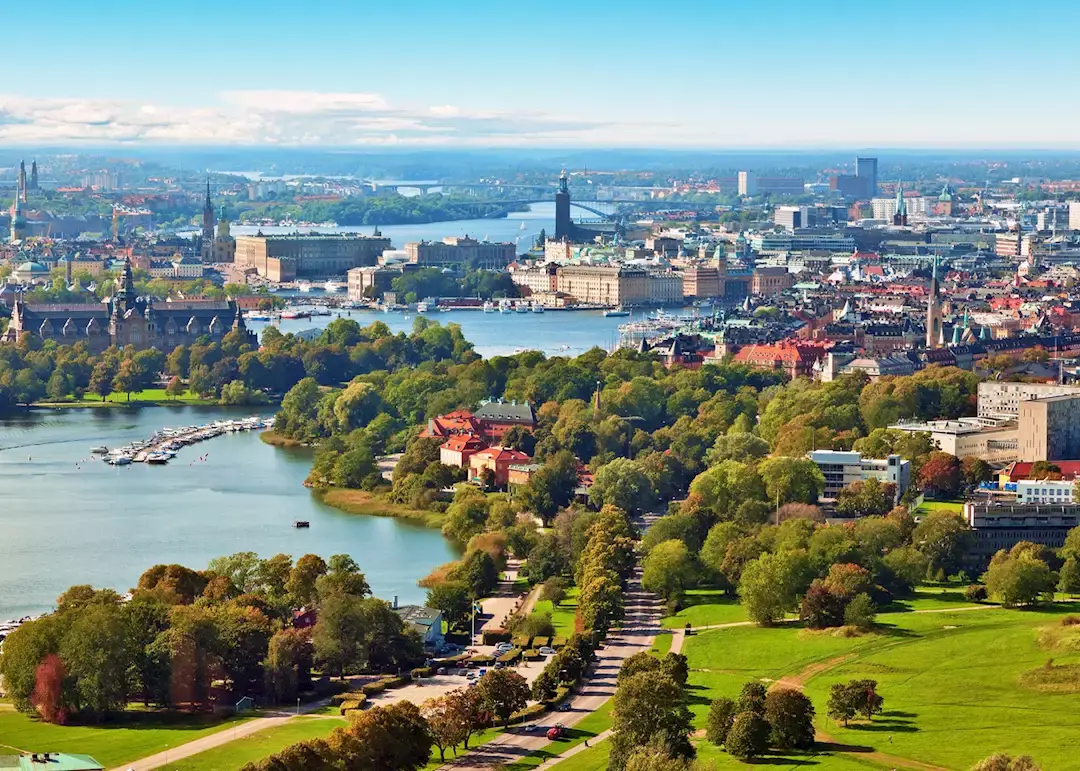
Stockholm is not a compact city arranged around one square: water, bridges and islands determine the pace. Three days are enough for the essentials only if you group visits by area instead of crossing the city after every museum.
The main trade-off is usually culture versus archipelago. The Vasa Museum, Gamla Stan and City Hall deserve time, while a boat trip can consume half a day. This guide protects travel time, explains where to stay and identifies the reservations that genuinely improve the trip.
Opening hours, fares and boat routes vary by season. Treat the budgets below as planning ranges and check your exact date on official websites before paying.
Our recommendation: Stay in Norrmalm for the easiest arrival, group Gamla Stan and City Hall on day one, reserve day two for Djurgården, and keep day three for the archipelago or Södermalm depending on the weather.

Where to stay: choose a base that protects time and budget
When comparing, add room price, transfers, transport tickets and lost time. In Stockholm, the best base is not always the cheapest: avoiding one daily return journey can save the cost of an activity or taxi.
Norrmalm
The most efficient first-time base: Central Station, straightforward airport connections and balanced journeys to Gamla Stan, Djurgården and Södermalm. It feels more practical than romantic, but saves time every day.
Gamla Stan
Choose it for atmosphere, quiet early streets and evenings without transport. Rooms can be smaller and pricier; check soundproofing and access if you have heavy luggage.
Södermalm
The best compromise for cafés, restaurants, viewpoints and local life. Djurgården and some airport connections take a little longer, but evenings are more rewarding.

Arrival and transport without losing half a day
From Arlanda, compare the express train, airport coaches and public transport according to arrival time, party size and the exact hotel address. The fastest option is not always the cheapest for two or three travellers.
Within the city, SL covers metro, buses, trams and several ferries. A time-based pass can be simpler than single tickets, but first count how many of your days genuinely require transport.
Stockholm is easy to walk within districts, not across every island. Use public transport between zones and walk inside each one; that is the clearest method for a short stay.
Download or capture useful information before departure: mobile data and apps should not be the only fallback plan.

A realistic 3-day itinerary
Day 1 — Gamla Stan, Riddarholmen and City Hall
Start early in Gamla Stan before groups fill the narrowest streets. Cross Stortorget, read the façades and follow the waterfront without turning the morning into a shopping checklist.
After lunch, continue to Riddarholmen and City Hall. Check official tour times if the interior matters; otherwise, the building and quays already explain the city’s relationship with water.
Finish by the waterfront or return to Södermalm for dinner. Keep spare time: evening light on the water is worth more than a final rushed museum.
Day 2 — Djurgården, Vasa and one complementary museum
Reach the Vasa Museum at opening time. The ship is easier to understand before crowds arrive, and its different exhibition levels deserve longer than a quick photograph suggests.
Then select one complement only: Skansen for living history and families, ABBA The Museum for a lighter visit, or the Nordic Museum for deeper Scandinavian context.
Return by tram or public ferry. Plan a quiet dinner rather than another attraction; Djurgården already makes a full day.
Day 3 — archipelago or Södermalm according to weather
In settled weather, take a short cruise through the inner archipelago without surrendering the entire day. Two to three hours are enough to grasp the pattern of islands and channels.
When wind, rain or season make the boat unattractive, stay in Södermalm: Monteliusvägen, Fotografiska and neighbourhood cafés create an excellent fallback day.
End with fika and one final viewpoint. The best third day is not the fullest; it is the one that matches actual conditions.
The programme deliberately leaves breathing room. Half an hour between blocks is worth more than an address added only to lengthen the list.

What to book—and what can stay flexible
Book first what has limited capacity or determines the whole day. Keep secondary museums, cafés and walks flexible: that margin absorbs weather, fatigue and delays without damaging the trip.
Old Town + Vasa Museum
A strong choice if you want a guided introduction and the most important museum organised without building the logistics yourself.
Archipelago sightseeing cruise
Book only after checking duration, weather and departure point; it earns its place when it replaces several scattered journeys.
Walk + archipelago
This format suits travellers who want one coherent story linking city and water in half a day, but gives photographers less independence.
The links above lead directly to the described products. Compare conditions, language, cancellation and meeting point before confirming.
Eat locally without turning every meal into a major expense
- Look for dagens rätt at lunch: the daily special makes a sit-down meal more reasonable than dinner.
- Treat fika as a genuine pause, not an automatic purchase in every district; coffee and pastries quickly become a meaningful expense.
- Food halls are useful when a group wants different things, but the most central addresses charge for location.
- For a more local dinner, explore Södermalm and reserve only the meals that genuinely matter to you.
One important reservation is enough on a short stay. Keep other meals flexible so they follow your neighbourhood, appetite and weather.

Realistic budget per person, excluding flights
| Item | Controlled budget | Comfort |
|---|---|---|
| Hébergement / Accommodation | 210–420 € | 420–720 € |
| Repas / Food | 105–165 € | 180–300 € |
| Transports / Transport | 35–75 € | 80–150 € |
| Musées et bateau / Museums and boat | 70–135 € | 140–260 € |
These ranges compare scenarios rather than promise a price. Weekends, events and late booking affect accommodation most; share rooms and transfers before cutting the visits that motivated the trip.
When to go and how to adapt the plan
From May to September, long days favour ferries and the archipelago, but prices and demand rise. Autumn brings strong light and more indoor alternatives. Winter remains worthwhile if you accept cold, early darkness and a plan built around museums, cafés and reliable transport.
In every season, prepare one indoor alternative and a shorter version of each day. This fallback prevents delay or poor weather turning an ambitious plan into paid cancellations.

Choose the right trip scenario before booking
An itinerary works only when it fits the traveller. For a straightforward first visit, Norrmalm reduces daily decisions: arrival, meals and departures remain clear. Gamla Stan works when neighbourhood atmosphere matters as much as efficiency. Södermalm becomes rational when its specific advantage—quiet, price or proximity to one activity—outweighs the extra journeys.
A budget scenario does not mean selecting the cheapest column automatically. A remote room, two taxis and a private transfer can exceed the supplement for a central hotel. Conversely, paying for a view or prestigious address brings little value when leaving early and returning late. Compare total cost across 3 days rather than the displayed price of one isolated night.
| Profile | Suggested base | Priority | Avoid |
|---|---|---|---|
| First visit | Norrmalm | Simple journeys and essentials | Changing hotel |
| Couple / slow pace | Gamla Stan | Evenings and pauses | Stacking tickets |
| Controlled budget | Södermalm | Total cost including transport | Booking outside the network |
Booking strategy: what are you paying to gain?
Old Town + Vasa Museum makes sense when it replaces several logistics steps or supplies context that is difficult to reconstruct alone. Compare Archipelago sightseeing cruise with an independent visit: departure time, real duration, transfer and cancellation policy often matter more than headline price. Walk + archipelago remains optional when freedom to photograph, eat late or change districts is the priority.
Start with the slot that could block an entire day, then book accommodation. Wait on weather-sensitive activities when cancellation is rigid. Conversely, a limited-capacity museum, regulated monument or heavily demanded excursion deserves an earlier decision. Save every confirmation offline with the exact address and local time.
Before paying, read what is excluded. A ticket presented as “complete” may omit the main admission, return transport, equipment or meal. Check the guide’s actual language, accessibility, time spent standing and finishing point. A worthwhile activity becomes a poor purchase when it leaves you far from the next plan.
Pace, accessibility and real comfort
Times shown by mapping apps assume continuous walking. They exclude cobbles, stairs, security checks and photo stops. Add roughly fifteen minutes around important visits and more with children, luggage or reduced mobility. That time is not wasted: it protects the meal, connection and quality of the next stop.
Prepare a shorter version of every day. It keeps one essential sight, one neighbourhood and a good meal, then removes the furthest excursion. This hierarchy prevents arguments in rain or queues. When the slowest traveller still enjoys the day, the plan is correctly sized.
For families, alternate one structured visit and free space. Solo travellers should keep late returns on familiar, well-lit routes. Couples should decide whether the higher budget goes to hotel, table or signature activity: funding all three at premium level quickly turns a short break into a far more expensive trip.
Reduce cost without impoverishing the trip
Accommodation is the main variable: the range begins around 210–420 € and can reach 420–720 € depending on dates. Flexibility on arrival day is the strongest lever, followed by monitoring cancellable rates until departure. A non-refundable booking rarely makes sense for a small saving while flights or weather may still change.
On the ground, concentrate spending on one memorable activity and one meal. Simple breakfast, a local-value lunch and water bought away from attractions release real budget without removing content. Walk within zones, use transport only between them and reject return journeys created by poor ordering.
Keep a 10–15% reserve for luggage storage, an unexpected transfer, rain or closure. Without it, any incident forces an expensive decision under pressure. With it, the trip remains controlled and you can calmly abandon an option that no longer fits the conditions.
Checklist 48 hours before departure
- Check arrival times, final transport and check-in procedure.
- Verify closures and works on official sources.
- Download tickets, maps and addresses offline.
- Confirm weather, footwear and an indoor fallback.
- Reserve only the meal or activity that truly matters.
- Keep margin before the return flight or train.
This final check turns editorial guidance into a usable plan. It matters particularly for evergreen pages: the article explains the method while official sources provide the exact service status on the travel date.
What must still be checked with an up-to-date guide
A strong article can stabilise choices—district, order of areas and budget logic—but should not freeze volatile information. Hours, works, fares, baggage rules and access change faster than the itinerary. Open official sources for the exact date, then compare them with the confirmation email: this double reading catches old times and relocated meeting points.
For prices, be cautious with “from” amounts. Recreate the purchase path to the step before payment to reveal taxes, options, times and conditions. Do the same for accommodation: read total price, cancellation, breakfast and real distance to the morning transport. A slightly dearer offer can be substantially better once supplements are added.
Finally, check operational weather rather than one general icon. Wind, heat, hourly rain and visibility affect different activities. Decide the night before which part of the plan stays fixed and which can switch. This flexibility does not reduce the content of the stay; it allows you to experience it under better conditions.
How to design each day without wasting energy
Place the least flexible visit first, but do not automatically place the most famous one first. A timed museum deserves priority because a missed slot has a cost; an open square can move later. Then add one geographically adjacent block and one meal. Only after those three elements work together should another stop enter the plan. This method reduces both backtracking and the mental load of constant navigation.
Use meals as anchors. Lunch divides a walking day into two manageable zones, while dinner marks the point beyond which no transport-heavy activity should be added. When an activity already includes food, count it as the meal rather than an extra. This simple rule prevents overspending and protects the appetite needed to enjoy local dishes instead of merely completing a checklist.
Carry less than you think you need. Water, a compact weather layer, a charged phone and one offline address solve most ordinary problems. Heavy day bags slow stairs, security and cobbled streets. If arrival or departure leaves you with luggage, price a formal storage option before improvising; the cheapest locker is poor value when it forces a long detour.
At the end of each day, review only the next morning. Confirm the first route, opening condition and ticket, then stop planning. A short trip improves when decisions are made at the right time rather than continuously. The article supplies the structure; your evening check supplies the current facts and preserves enough spontaneity for the destination to feel like a place rather than a project.
Common mistakes to avoid
- Underestimating distances between islands and booking consecutive visits without margin.
- Buying a transport pass before counting journeys you genuinely need.
- Giving the entire day to the archipelago when three days must also cover major museums.
- Stacking Djurgården museums until the Vasa itself becomes exhausting.
- Choosing an outlying hotel on price alone without factoring in connections.
Frequently asked questions
Are three days enough for Stockholm?
Yes, for Gamla Stan, Djurgården and a first look at the archipelago. Group visits and accept choosing only one major complementary museum.
Where should a first-time visitor stay?
Norrmalm simplifies logistics; Gamla Stan prioritises atmosphere; Södermalm works better for restaurants and evenings.
Should the Vasa Museum be booked?
Always check the official conditions for your date. Arriving at opening remains the best way to protect the quality of the visit.
Is the archipelago worth half a day?
Yes in suitable weather. A short cruise is enough for a first trip; a full-day outing suits a longer stay.
Can Stockholm be visited without a car?
Absolutely. A car is unnecessary in the centre and complicates parking; public transport, ferries and walking cover this itinerary.
Continue planning
Official resources to check
Check hours, prices and closures on these sources before publication and again before travel.
When your dates coincide with an event, public holiday or late arrival, repeat the accommodation and transport simulation. The itinerary structure remains valid, but the order of days may need to change. Save the decision on your phone with one fallback so you do not have to reread the entire guide on the ground.
Some links may be affiliate links, at no extra cost to you.