Warm Places in Europe in November Without a Car
November sun is not chosen from a weather map alone. Without a car, a good destination also needs a simple airport transfer, a base where you can walk to dinner and at least two realistic excursions by public transport or with pickup. An island showing 23°C is a poor choice when every landscape requires a taxi; a city at 19°C can deliver a better trip when everything connects on foot.
We have therefore separated three types of destination. The Canary Islands maximise mild weather and the likelihood of sunny days. Madeira offers the most dramatic scenery, with changeable conditions and excursions to organise. Mediterranean options — Malta, Andalusia, the Algarve, Valencia, Alicante and Palermo — mainly deliver bright autumn city breaks rather than guaranteed beach weather.
This ranking assumes five days and one base. It explains what you can genuinely do without a car, where to stay so you do not depend on taxis and how weather changes the itinerary. The goal is not to chase the highest temperature at any cost, but to find the smoothest trip.
Where should you go in November?
South Tenerife
The best probability of warmth, with Los Cristianos as a base and an organised Teide day.
Funchal
The most spectacular journey if you accept showers and arrange hiking transfers.
Las Palmas
A genuine city beside Las Canteras, with no need to stay in an isolated resort.
Malaga or Alicante
Choose according to direct flights: both have easy transfers, walkable centres and indoor options.
Our overall ranking: Tenerife for weather, Funchal for landscape intensity, Las Palmas for urban independence and Malaga for the simplest all-round city break.
Ten car-free destinations at a glance
Temperatures are daytime planning references, not forecasts. Budget ranges are per person for five days, based on two people sharing a room, and include a representative flight, food, essential transport and one major activity.
Swipe the table horizontally on mobile.
| Destination | Typical mildness | Best base | Car-free logic | Target budget |
|---|---|---|---|---|
| Tenerife | Often 21–25°C in the south | Los Cristianos | Buses + Teide excursion | €600–980 |
| Funchal | Roughly 19–23°C | Centre / Lido | Aerobus + hiking transfers | €580–950 |
| Lanzarote | Often 21–25°C | Costa Teguise | Limited buses + one tour | €590–960 |
| Las Palmas | Often 22–25°C | Las Canteras | Excellent within the city | €570–920 |
| Malta | Roughly 18–23°C | Valletta / Sliema | Buses and ferries | €490–820 |
| Malaga | Roughly 17–22°C | Centro / Soho | Airport train + walking | €460–790 |
| Seville | Roughly 18–23°C | Arenal | Walking and tram | €480–830 |
| Faro / Tavira | Roughly 17–21°C | Faro near the station | Regional train + weather-dependent boats | €470–800 |
| Valencia / Alicante | Roughly 17–22°C | Centre with metro/tram | Very good | €460–800 |
| Palermo | Roughly 17–22°C | Teatro Massimo / Kalsa | Walking + train | €480–820 |
A monthly average cannot predict your week. Check wind, rainfall and sea state three days before departure, then move the most weather-sensitive activity if necessary.
Funchal, Madeira: the strongest base for exploring without driving
Funchal lets you give each day a clear role. The city absorbs arrival and uncertain weather: Mercado dos Lavradores, Old Town, gardens, the waterfront and steep neighbourhoods can fill plenty of time. The best days then leave the city with a levada transfer or an excursion linking several viewpoints. The Aerobus connects the airport to Funchal in roughly 20 to 25 minutes depending on traffic, avoiding the need to hire a car immediately.
For five days, stay in the centre for restaurants and buses or near the Lido for a seafront walk and more hotel facilities. Avoid accommodation high on the slope without checking the return on foot. November is mild, but clouds collect around the mountains; commit to one major hike at a time and preserve an interchangeable day.
The ideal trip: two nature days, two days split between Funchal and gardens, plus one flexible day. Our Funchal itinerary develops the route choices.

South Tenerife: a coastal base and an organised Teide day
Los Cristianos offers the best car-free mechanics: buses from TFS, a port, beaches, promenade and numerous excursion pickup points. The south is drier than the north and generally retains mild November afternoons. That does not mean the whole island shares one sky: La Laguna can feel cool and Teide requires a jacket, sometimes much more.
A good programme alternates a coastal day, Teide, La Laguna and Santa Cruz, then a boat trip or beach according to sea conditions. Costa Adeje suits travellers seeking more hotel comfort, but check elevation and whether the pool is actually heated. Puerto de la Cruz has more character, with a longer TFS transfer and less stable weather.
The ideal trip: four or five nights in Los Cristianos with no hotel change. Our Tenerife winter guide explains Teide and the microclimates in detail.

Lanzarote without a car requires structure
Lanzarote is lower, drier and visually more unified than Tenerife. Costa Teguise is practical for buses to Arrecife and several parts of the island; Puerto del Carmen has more beaches and restaurants. Neither makes it easy to combine every César Manrique site, Timanfaya and multiple villages by public transport in one day.
The solution is to buy one piece of structure: a well-designed tour of Timanfaya, La Geria and the volcanic landscape, followed by independent bus or walking days. Avoid tours that promise ten five-minute photo stops. Wind matters almost as much as temperature in November; an exposed beach can feel cool under a bright sky.
The ideal trip: one volcano day, one Arrecife/Manrique day, one coastal day and one flexible day. Use our guides to Lanzarote in three days and Lanzarote in winter.

Las Palmas de Gran Canaria: an urban beach and historic quarters
Las Palmas is the Canary Islands’ most self-sufficient car-free destination. Las Canteras provides several kilometres of sand and promenade within the city; Vegueta and Triana add heritage, markets and restaurants. Buses serve the airport and other areas, but a five-day trip does not need to cross the island every morning to be worthwhile.
Stay near Las Canteras for daily sea access or between Triana and Vegueta for a more urban atmosphere. Buses connect the two centres, but they are too far apart to treat as one walkable neighbourhood. November is often mild; the north-east still receives more cloud and wind than Gran Canaria’s southern resorts.
The ideal trip: two city days, two beach half-days and one chosen excursion. Our Las Palmas guide helps connect the two urban centres.

Malta: buses, ferries and fortified cities
Malta remains interesting in November because its cities do not depend on beach weather. From Valletta or Sliema, ferries connect the opposite sides of the harbour and the Three Cities; buses open up Mdina, cliffs and prehistoric sites. The network covers a lot, but cross-island journeys take time, so group visits by area.
Valletta provides the most atmospheric evenings on foot and places heritage outside the door. Sliema sometimes lowers prices and increases restaurant choice, with a more modern setting. November can bring wind, rough seas and intense short showers. Treat Gozo or Comino as a weather-dependent option rather than an inflexible centrepiece.
The ideal trip: Valletta and the Three Cities, Mdina/Rabat, one archaeology or Gozo day according to conditions, then free time.

Malaga: no difficult transfer and no empty day
The suburban train between the airport and centre gives Malaga an immediate advantage. From Soho or the historic centre, the Alcazaba, Gibralfaro, museums, market, port and beach combine without a car. November is mild enough for extended walks yet uncertain enough to make the city’s indoor density valuable.
Use an alternating rhythm: monument in the morning, late lunch, then a museum or beach. A day trip to Ronda, Nerja or Caminito del Rey should replace one day rather than being added to an already full city break. For a late flight, choose simple reception and useful transport instead of an isolated coast apartment.
The ideal trip: three Malaga days and one excursion. Our Malaga winter guide includes a weather-proof route.

Seville: sunshine for exploring, not swimming
Seville turns mild weather into long sightseeing days. The centre is flat, major sites connect on foot and evening life continues after temperatures fall. The Alcázar, cathedral, Triana and Plaza de España fill three days; a fourth can go to Itálica, Córdoba or simply a slower pace.
Around Arenal, accommodation simplifies returns and avoids carrying luggage through the tightest Santa Cruz lanes. Reserve the Alcázar, then leave patios, tapas and walks without a fixed time. November can be wet, but there are enough substantial interiors to protect the day.
The ideal trip: an unapologetically cultural city break. Our Seville guide connects the neighbourhoods efficiently.
Faro and Tavira: choose the eastern Algarve
Without a car, Faro is a base for the eastern Algarve. The Old Town, Ria Formosa, Olhão and Tavira connect by boat or train according to the weather. This deliberately abandons the cliffs around Lagos and Benagil, which are far less practical from Faro on a short trip. Coherence matters more than collecting both ends of the region.
Stay near the centre and station if you plan several journeys. Tavira may be more attractive, but it adds a transfer on arrival. November brings attractive light, birdlife and few crowds, alongside wind and cancellable boat trips.
The ideal trip: Faro, one lagoon island, Olhão and Tavira. Our Faro and Algarve guide provides the detail.
Valencia or Alicante: which is better in November?
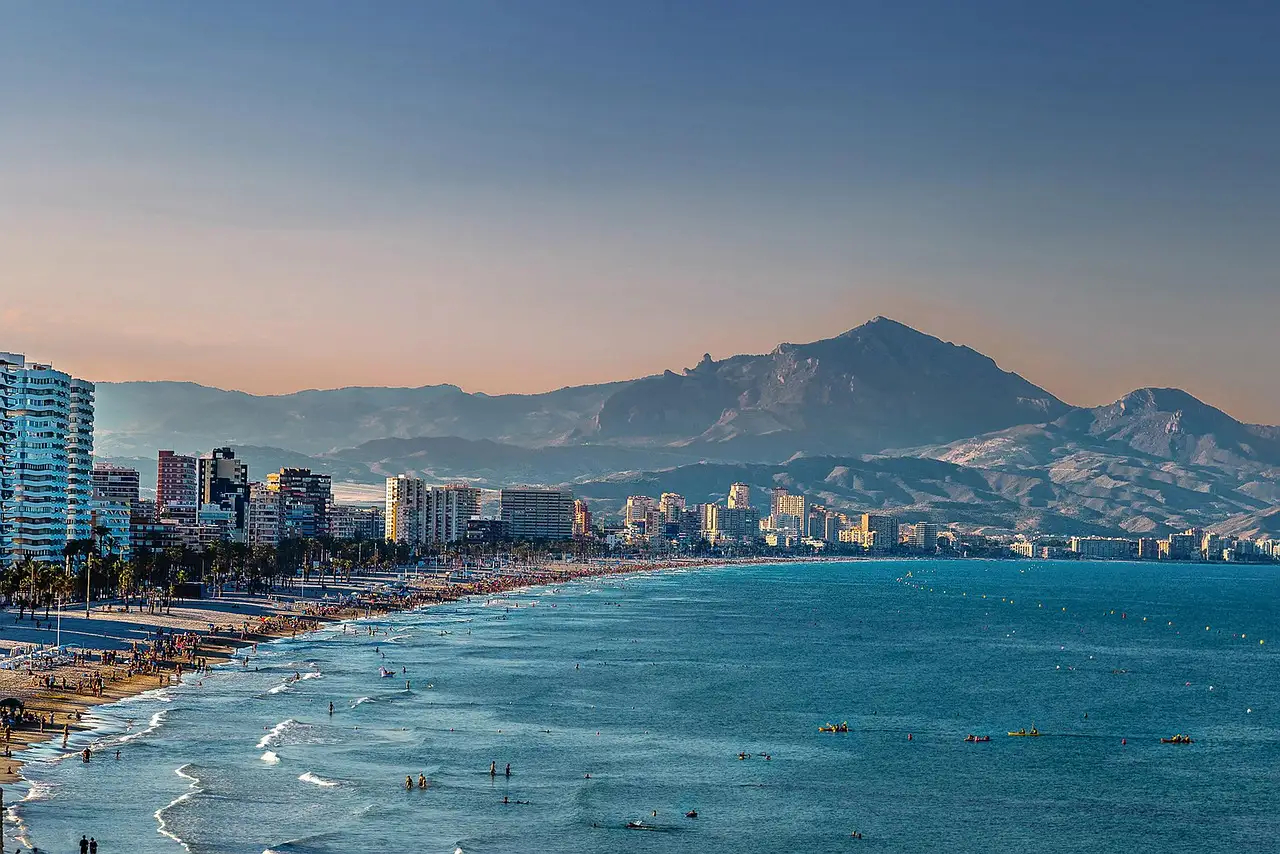
Valencia offers the richer trip: Old Town, Central Market, Turia gardens, City of Arts and Sciences and the coast create four different days. Alicante is more compact, often cheaper and gives immediate access to a castle and the sea. It suits a slow weekend; Valencia suits travellers worried about running out of things to do.
Both airports connect by public transport. In Valencia, stay in the centre or Ruzafa; in Alicante, between Mercado and the Explanada. November can be bright but also brings occasional intense Mediterranean rainfall. Follow local alerts and never insist on a coastal walk during a warned episode.
The choice: Valencia for culture, park and architecture; Alicante for price and simplicity. Our Valencia or Alicante comparison goes deeper.
Palermo: travel for food and history
Palermo earns its place not because it is always the warmest, but because it remains fascinating when the sky changes. Markets, chapels, palaces and Arab-Norman streets fill three days on foot. A train to Cefalù or bus to Monreale completes the break when conditions are right.
Choose an address around Teatro Massimo for centrality or Kalsa for atmosphere, checking noise and the evening route. November removes the oppressive summer heat, but showers and traffic demand good shoes and grouped visits. Eat in the markets without treating them as theatre: compare stalls, notice local hours and sit down for a real trattoria meal too.
The ideal trip: Palermo in depth plus one excursion, not a rapid circuit of Sicily.
Four checks before booking
1. The final transfer. Search the airport-to-hotel journey at the actual landing time, then the early return. A shuttle ending at 10 pm does not help at 11:30 pm.
2. The evening radius. Your base needs restaurants, groceries and a walk without a connection. An isolated beach looks attractive by day and far less so when dinner requires a taxi.
3. The difficult activity. Identify Teide, a levada, Timanfaya or a boat trip before booking the hotel. Pickup zones can change the best neighbourhood.
4. The movable day. Do not lock both weather-dependent activities into non-changeable dates. A flexible day in November is worth more than a small non-refundable discount.
How much should five days of winter sun cost?
From much of Europe, a balanced trip often sits around €500–850 per person in Mediterranean destinations and €650–1,000 in the Canaries or Madeira, including a representative flight and shared room. Direct flights, luggage and accommodation create most of the variation. One major excursion typically adds €40–100; two private transfers can cost just as much.
To lower the total, compare six nights with five, search more than one departure airport and choose a neighbourhood that removes taxis. Saving €12 per night is poor value when it adds an hour of buses every morning and evening. A well-planned car-free trip concentrates spending on experiences rather than friction.
What makes a car-free trip fail?
Choosing the highest temperature
An average ignores wind, altitude and the time required to reach the landscapes you came to see.
Staying in an isolated resort
A cheap hotel can impose taxis, half-board and fixed hours. Inspect what exists within a 15-minute walk.
Booking three excursions
The trip becomes a series of pickups and loses the advantage of a carefully chosen base.
Ignoring heavy rainfall
The Mediterranean can experience intense episodes. Follow local warnings and keep a substantial indoor plan.
Warm Europe in November without a car FAQ
The Canary Islands generally offer the mildest, most consistent conditions. South Tenerife, southern Gran Canaria and Lanzarote are the strongest weather options here.
Las Palmas is the most self-contained for an urban stay. Los Cristianos in Tenerife is the easiest base for combining beach time with excursions.
It is most plausible in the Canaries. Elsewhere, treat swimming as a bonus governed by wind, sea state and personal tolerance.
Yes from Funchal if you use hiking transfers or excursions. Many of the best landscapes are not reached by one simple frequent bus.
Malaga, Alicante, Faro or Palermo often win when your local airport has a direct flight. Always compare the total with accommodation.
Four days works for a Mediterranean city. Allow five to seven for the Canaries or Madeira to absorb transfers and weather.
Where should you check weather and transport?
Your base matters as much as the climate
South Tenerife leads for weather. Funchal is stronger for a nature journey. Las Palmas and Malaga are the easiest when you want independence from tours and cars. Whatever you choose, check the transfer at the actual time, stay in a self-sufficient neighbourhood and book only one weather-dependent activity at a time. Sunshine then becomes an advantage of the trip, not a fragile promise on which everything depends.
Disclosure: some accommodation links are affiliate links. LowCostWings may receive a commission if you book through them, at no additional cost to you. Temperatures and budgets are planning references, not guarantees.