Where to Go for Winter Sun in Europe in February: 6 Destinations Compared
Compare the Canaries, Madeira, Seville, Malaga, Paphos and Algarve for February winter sun: real temperatures, swimming, where to stay and budget.
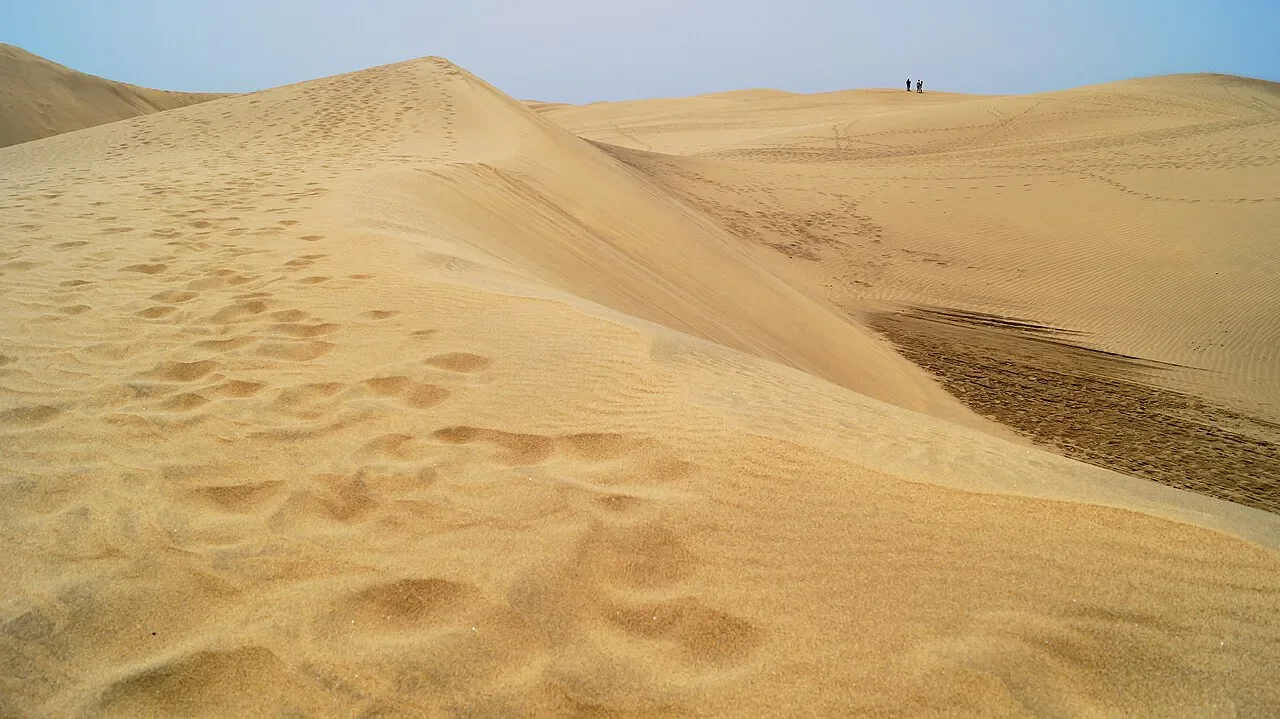
Not every European “winter sun” destination belongs in the same weather category
If your priority is genuinely to feel warmer in the middle of winter, the distinction matters: the southern Canary Islands are clearly ahead of the rest of Europe. South Tenerife and southern Gran Canaria usually see average daytime highs above 21°C with many dry, bright days. Elsewhere, winter sun is more often about 17–20°C, outdoor lunches and walking in a light jacket than a full summer-style beach holiday.
This guide therefore compares six different kinds of February escape rather than pretending they are interchangeable: beach-oriented Canaries, nature-focused Madeira, city breaks in Seville and Malaga, archaeology and coastline in Paphos, and cliff walks in the Algarve. If Madeira also interests you for the festive season, our New Year’s Eve in Funchal guide covers the fireworks and the specific holiday budget. Your best choice depends on what matters most — warmth, swimming, budget, a car-free stay or things to do when the weather changes. If the main criterion is diving, our winter scuba diving in Europe comparison applies a much more specific filter to underwater conditions.
The key reality check: winter sun does not mean guaranteed heat. Outside the Canaries, expect cool evenings and allow for a rainy day. If you need 25°C and consistently warm sea water, Europe is not the right region in February.
Which destination fits your February priorities?
| Destination | Average Feb high | Swimming? | Best base | Car? | Best for |
|---|---|---|---|---|---|
| South Tenerife / south Gran Canaria | about 21–22°C | Possible, cool Atlantic | Costa Adeje / Maspalomas | No for resort break | Maximum warmth and sun |
| Madeira | about 20°C | Possible for some, cool sea | Funchal | Optional | Nature + mild weather |
| Seville | 18.1°C | No | Santa Cruz / Arenal | No | Bright city break |
| Malaga | 17.7°C | Unlikely for most | Centro / Soho | No | City + waterfront |
| Paphos | about 17°C | Cold sea | Kato Paphos | No for 3–4 days | Heritage + coast |
| Algarve | about 17°C | Cold Atlantic | Lagos / Faro / Tavira | Depends on route | Cliffs + quiet |
Southern Canary Islands
The most dependable choice. South Tenerife and southern Gran Canaria have a clear February weather advantage over mainland and Mediterranean Europe.
Madeira
The weather is mild, but gardens, coast and mountains are as important as the temperature itself.
Seville or Malaga
Both are easy on foot, bright in daytime and have enough museums, food and architecture to survive a rainy spell.
Algarve
Go for empty beaches and cliff walks in good light, not for spending the day in the Atlantic.
South Tenerife or southern Gran Canaria: Europe’s strongest February weather bet
If the question is simply “where am I most likely to feel warm in Europe in February?”, the Canary Islands make the strongest case. South Tenerife has an average daytime high of roughly 22°C, low rainfall and close to 200 sunshine hours across the month. Southern Gran Canaria offers a very similar type of winter climate.
The crucial detail is location. In winter, writing only “Tenerife” is too broad: the north is cooler, wetter and more cloud-prone. If weather is your priority, look at Costa Adeje, Playa de las Américas or Los Cristianos. On Gran Canaria, Maspalomas and Meloneras follow the same south-coast logic.
Sea swimming is still personal. Atlantic water feels cool and many travellers will prefer a heated pool, especially on windy days. In February, a genuinely heated pool can matter more than being 100 metres closer to the beach.

Iberostar Selection Sábila works well for a car-free winter-sun break in Costa Adeje: Fañabé Beach, the coastal promenade and restaurants are close enough to keep the trip simple. That is more coherent than saving on a hotel further inland if the entire point of the holiday is mild weather and outdoor time.
For February 2027: Santa Cruz de Tenerife’s Carnival runs through much of the month, with the main street period scheduled for February 19–28. That can affect flights and demand even though the main winter-sun bases are on the south coast.
Funchal: close to 20°C, but far more nature break than beach holiday
Madeira is the next obvious option when you want mild Atlantic weather without leaving Europe. Funchal’s February average daytime high is close to 20°C. The island is more variable and wetter than the southern Canaries, with sun on the south coast, cloud on the peaks and showers in the mountains sometimes appearing on the same day.
That variability is part of Madeira’s strength because the trip does not collapse when the weather is imperfect. Funchal has gardens, markets, restaurants and an attractive seafront; when conditions clear, you can move towards Ponta do Sol, Câmara de Lobos or a levada. Winter sea temperatures remain cool, so Madeira should not be sold as a conventional beach break.

Funchal remains the best all-round base for four or five nights, especially without a car. Ponta do Sol and Calheta may appeal if you prioritise the south-west microclimate and accept more transport planning. Castanheiro Boutique Hotel works well for a central break, keeping restaurants, the old centre and waterfront within easy reach instead of isolating you in a resort.
February 2027 is not automatically low season: Madeira Carnival is scheduled for February 3–14, with the main allegorical parade in Funchal on February 6. Check accommodation early if you travel around those dates.
The strongest choice for a bright city break when you do not need a beach
Seville is not a beach-style winter-sun destination, but it is excellent for finding bright days in the middle of February. Climate normals put the average high at around 18.1°C with close to 190 sunshine hours through the month. Mornings and evenings remain cool, so a pleasant 3 p.m. terrace can still turn into jacket weather after sunset.
The advantage is that the trip does not depend on perfect weather. The Alcázar, cathedral, Plaza de España, Triana, markets and tapas bars easily fill three days. Everything important works on foot or by public transport, with no rental-car cost and no need to commute to a resort.

Stay around Santa Cruz, Arenal or the historic centre. Hotel Amadeus Sevilla, a short walk from the cathedral, fits a three-night trip particularly well: central location, rooftop terrace and no need for a car.
Choose it if: you want three outdoor-heavy days, architecture and lunch in the sun. Skip it if: your February goal is spending afternoons in swimwear beside a pool.
The sea stays in the picture without becoming the promise of the trip
Malaga is slightly cooler in February than the Costa del Sol image can suggest. Average highs are around 17.7°C, with plenty of light but a genuine chance of rain. The beach works for walking, reading or having lunch by the water; long comfortable swims are unlikely for most visitors.
What makes Malaga stronger than a seasonal beach resort is the city itself. The historic centre, Alcazaba, Picasso Museum, Atarazanas Market and Muelle Uno make a complete short break even when one morning is grey. When the sun returns, the waterfront becomes an easy extension of the city rather than the entire reason for being there.

Stay in Centro Histórico or Soho. Room Mate Collection Valeria sits near the port and central streets, making it easy to link the old centre, Muelle Uno and waterfront on foot. For three nights, a rental car adds little unless you are adding Ronda, Nerja or the white villages.
Seville or Malaga? Choose Seville for architecture and dense city days; Malaga if seeing the Mediterranean every day matters to you.
A Mediterranean island for coast and archaeology, not for heat
Paphos remains a useful option if you want an island and a strong change of scenery without expecting 20°C every day. February daytime highs are around 17°C. Bright mild spells alternate with winter showers, while sea temperatures around 16–17°C are cold for most holiday swimming.
The right angle is therefore completely different from the Canaries. Days revolve around the archaeological park, mosaics, Tombs of the Kings, harbour and coastal paths. The countryside is greener than in summer and crowds are low. For an active trip, February can actually be more comfortable than July.

Kato Paphos is the simplest base: restaurants, the promenade and major sights are accessible without a car. Annabelle, on Poseidonos Avenue, matches that winter use case particularly well, with the harbour and everyday services within easy reach.
Choose it if: you like sightseeing outdoors and walking by the sea. Skip it if: your first criterion is the highest possible chance of eating lunch in a T-shirt every day.
Sun for cliff walks, not for spending the day in the Atlantic
The Algarve is sometimes described as warm in winter, but February is still a cool season. Around Faro, average highs sit at roughly 17°C. Rain and wind remain possible and the Atlantic is cold. The reward is different: empty beaches, clear coastal light and cliff trails that are far more comfortable than in 30°C summer heat.
Your base should match the style of trip. Lagos is the strongest choice for Ponta da Piedade and dramatic scenery. Faro or Tavira work better when avoiding a car is the priority. On a four- or five-night trip, a rental car can make sense for linking several coastal areas; on a weekend, staying focused is usually better.

In Lagos, Lagos Avenida Hotel sits opposite the marina and close to the centre. That keeps restaurants and town life walkable while leaving you well placed for coastal outings, rather than relying on a summer-oriented resort outside town.
Carnival can change both prices and atmosphere
February is often sold as a quiet low-season month, but that is not true everywhere. Madeira Carnival is scheduled for February 3–14, 2027, with the main allegorical parade in Funchal on February 6. In Tenerife, Santa Cruz’s programme spans several weeks and the main street period is scheduled for February 19–28.
That does not make every hotel on the islands expensive, but flights and selected areas may react. If your priority is tranquillity and value, compare nearby dates. If you enjoy festivals, the events can become an extra reason to choose Madeira or Tenerife.
February does not suddenly become summer
The temperature gain from January to February is often small. In South Tenerife, for example, average daytime highs barely change. The bigger differences are slightly longer days, different light, early flowering and the event calendar.
If price matters more than the calendar, compare both months rather than assuming February is automatically better. A one-degree difference rarely matters as much as a large difference in flight or hotel price.
Malta and Sicily if sunshine is not your only criterion
Malta remains excellent for a compact cultural trip without a car, but average February highs around the mid-teens put it below our main winter-sun choices. It is a strong option for heritage, cafés and quiet streets rather than warmth.
Sicily works brilliantly for Palermo, Catania, Etna and baroque towns. February is more compelling for food, cities and walking than for a conventional beach escape, which is why we keep it outside the main six.
3 nights or 5 nights?
Seville or Malaga
Both work extremely well without a car. Arrive early if possible and stay centrally.
Paphos or Funchal
Long enough for the city, one excursion and some resilience if one day is less sunny.
Canaries or Algarve
More rewarding if you want to slow down, enjoy the hotel or explore more than one area.
Where can you still get good weather value in February?
School holidays, Carnival and flight capacity often matter more than the destination label. The Canaries can become expensive when booked late, while Seville, Malaga or Paphos may still offer strong hotel value. The Algarve often has low winter room rates, although some coastal properties reduce services or close entirely.
| Destination | Accommodation | Flights | Local spending | Sun / value profile |
|---|---|---|---|---|
| Canaries | Medium to high | Variable | Medium | Excellent if weather comes first |
| Madeira | Medium | Variable | Medium | Strong for active trips |
| Seville | Often reasonable | Often competitive | Moderate | Excellent city-break value |
| Malaga | Reasonable to medium | Often competitive | Moderate | Very good outside holidays |
| Paphos | Often attractive | Worth checking | Moderate | Good if heritage matters |
| Algarve | Often low in winter | Depends on Faro | Moderate | Excellent for walking |
Compare the same dates and add flight + hotel + ground transport before deciding. A hotel that looks €80 cheaper can lose its advantage if it forces you to rent a car for five days. Use the LowCostWings flight search to test moving your departure by a day or two.
Frequently asked questions about February winter sun in Europe
The southern Canary Islands are generally the strongest choice, with average daytime highs around 21–22°C. Funchal in Madeira follows at roughly 20°C.
Can you swim in Europe in February?Some travellers swim in the Canaries or Madeira, but the sea remains cool. If comfortable swimming matters, a genuinely heated hotel pool is more reliable than relying on the ocean.
Tenerife or Madeira in February?Choose South Tenerife when weather is the first priority. Madeira is stronger for walking, vegetation and a nature-focused trip where every day does not need to be perfectly sunny.
Seville or Malaga for three days?Seville offers denser architecture and monuments. Malaga adds the Mediterranean, waterfront and a more coastal rhythm. Both are easy without a car.
Which February winter-sun destinations work without a car?Costa Adeje, Funchal, Seville, Malaga and Kato Paphos all work well for short car-free stays. In the Algarve, Faro or Tavira are easier than Lagos if you absolutely do not want to drive.
Is February much warmer than January?Not in most of these destinations. Longer daylight, events and different hotel prices often matter more than the small temperature increase.
References used for the comparison
Choose the level of warmth you expect before choosing the destination
If getting as close as possible to a warm-weather holiday is the goal, the southern Canary Islands are the most reliable European choice. Madeira works beautifully if you accept more changeable weather in exchange for exceptional scenery. Seville and Malaga are bright city breaks; Paphos and the Algarve suit travellers who want to walk, explore and enjoy the coast without crowds.
In February, the best winter-sun trip is therefore not automatically the place with the highest temperature. It is the destination whose real winter climate matches what you actually want to do once you arrive.
Disclosure: some accommodation links may be affiliate links. This does not change the price you pay or the criteria used in our recommendations.