Gdansk in 2 or 3 Days: Itinerary, Where to Stay, Museums and Budget
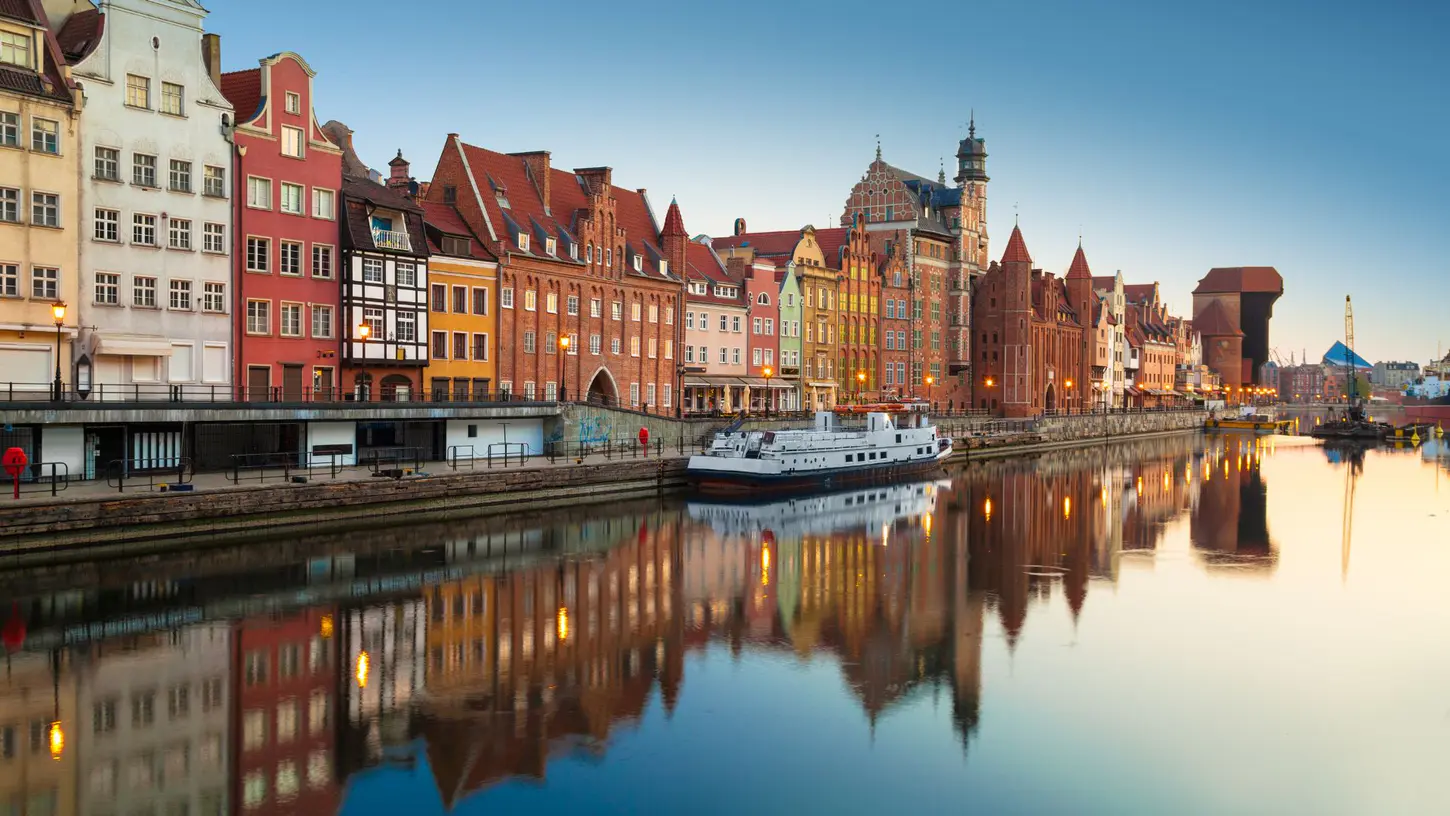
Compact on the surface, far deeper once you enter its museums Gdańsk fits two days, yet a trip reduced to the façades of Długa misses the city. The reconstructed centre tells Hanseatic power and wartime destruction. The shipyard and European Solidarity Centre explain political change. The Museum of the Second World War requires several hours. The Baltic, Sopot and Gdynia create a third car-free day.
A useful itinerary separates these narratives. Day one establishes the Main City, waterfront and amber. Day two chooses one major museum and the shipyard. Day three opens the Tri-City towards Sopot, with a cultural alternative when weather removes the beach.
This guide explains where to stay, airport travel, SKM and urban tickets, realistic museum time, Polish food beyond the most tourist-facing street and a complete budget. It works for a first two- or three-day visit throughout the year.
Two days for Gdańsk, three with Sopot
Two full days are enough when you choose between a very long Second World War Museum visit and a deep European Solidarity Centre visit. Both matter, but stacking them without a break consumes most of one day. With three days, use a morning for the second museum and take SKM to Sopot in suitable weather.
The photographed “old town” is largely Główne Miasto, the Main City rebuilt after 1945. The precise term helps explain history without complicating a simple visit. Royal Way, Mariacka Street, St Mary’s and the Motława waterfront form a compact loop.
Gdańsk is a strong option in the cheap Eastern Europe comparison. It often costs less than Prague, while summer nights, events and Sopot can raise the total. Compare the whole trip.
Swipe horizontally on mobile.
| Length | Realistic programme | Remove | Best base |
|---|---|---|---|
| 1 day | Royal Way, waterfront, St Mary’s | Long museum and Sopot | Main City |
| 2 days | Centre + one major museum + shipyard | Sopot if visiting deeply | Centre or station |
| 3 days | Centre + two narratives + Sopot | Gdynia unless specific interest | Centre / Wrzeszcz |
| 4 days | Tri-City plus Gdynia or Malbork | Nothing, but one long trip | Depends on excursions |

Royal Way, St Mary’s, Mariacka and the waterfront
Enter through Upland Gate and follow Długa to Long Market. Town Hall, Neptune Fountain and reconstructed façades establish the city. Arrive before groups, study the detail, then enter one monument rather than remaining outside.
St Mary’s deserves time; tower access depends on hours, season and comfort with stairs. Continue to Mariacka Street for porches and amber shops. Do not buy impulsively: ask for receipt, material, weight and conditions, particularly for an expensive piece.
Finish along the Motława between the historic Crane, Ołowianka and newer promenades. Cross the water rather than remaining on one bank. For dinner, leave the first one or two axes; the obvious view does not guarantee the better kitchen.

Second World War, shipyard and Solidarity
Give the morning to the Museum of the Second World War when that subject is central. The exhibition is dense, emotional and large: allow several hours, not a box between meals. Check ticket availability, audio-guide language, bag rules and closing day officially.
After a proper pause, continue to the shipyard, Three Crosses and European Solidarity Centre. Its architecture and exhibition place Polish social movements in European context. If the first museum has taken four hours, choose public space and a shorter visit rather than a second marathon.
This direct private Second World War history tour and this direct shipyard electric-scooter tour are different formats. Verify route, context, access and conditions. A guide does not automatically replace a museum.

Sopot without a car, or culture in poor weather
Take SKM to Sopot in the morning. From the station, Bohaterów Monte Cassino leads to the promenade, pier and beach. Begin early in summer. In winter, treat the coast as a walk rather than a swimming day. Pier admission varies by season, and weather can restrict access.
Eat in Sopot and return, or continue to Gdynia with a specific interest in port, maritime museums or modernist architecture. Adding Gdynia because it is nearby often creates a shallow sequence of trains and quays.
In heavy rain, stay in Gdańsk: Maritime Museum, Amber Museum, Artus Court or the exhibition skipped earlier. A third indoor day is not failure. It creates space to understand historical narratives instead of skimming them.

Where to stay for your Gdańsk plan
Główne Miasto puts the heritage loop on foot. Prices and noise rise on Długa, Długi Targ and the waterfront; search an adjacent street and read insulation reviews. A modern Motława apartment may look practical but add cleaning fees and remote check-in.
Around Gdańsk Główny you gain station, airport and SKM access while remaining near the centre. Check the exact walking route because major roads and passages add distance. Wrzeszcz becomes a strong base for three or four Tri-City days, with trains, restaurants and sometimes lower rooms.
Sopot suits coast and nightlife, less a first visit built around Gdańsk museums. Do not change hotel between the two on three nights: the train is short and transition costs time.
Central rooms can become expensive quickly on summer weekends and event dates. If prices are high for your stay, compare cheaper alternatives across Gdańsk before moving your base out to Wrzeszcz or Sopot.
Główne Miasto
Best for two days; check noise and waterfront premiums.
Airport to centre and the Tri-City
Lech Wałęsa Airport has public transport, while the best route depends on hotel and hour. Rail may need a connection; selected buses reach central sectors. Use the official planner and inspect the last real departure before taking a late flight.
An official taxi or app makes sense for a group, luggage or arrival after transit. Confirm terminal, pickup, number plate and estimate. Traffic and works change the time.
Do not assume one ticket covers every train, tram and bus. SKM, PKM, Polregio and urban operators may apply different rules. Buy for the operator shown and retain it. For Sopot, confirm the station and direction before boarding.
Walking, tram, SKM and bicycle
Main City is walked. Trams serve the shipyard, Wrzeszcz, Oliwa and beaches; SKM structures Gdańsk–Sopot–Gdynia. Do not buy an urban pass before knowing whether your trains are included. An app helps, while operator confirmation takes priority.
Bicycles suit coast and flat districts in stable weather. Check lane, lighting and rental system. Central cobbles, rain and Baltic wind reduce comfort.
Use rail for Malbork and reserve the castle according to season. It needs a full day or very long half-day; do not add it to two Gdańsk days before seeing the principal museums.
How much for two or three nights?
Gdańsk remains competitive when flight and room avoid peaks. For two shared nights, plan approximately €250–420 per person lean, €420–680 balanced, and more in summer with waterfront rooms and several museums. A third night typically adds €60–150 per person by level.
Exchange rate, museum admissions and regional trains explain part of the variation. Pay in Polish złoty when a terminal offers conversion and review bank fees. Keep a simple mental conversion so modest PLN totals remain understandable.
Museums deserve a meaningful budget share. Do not buy a card for theoretical discounts; list sites actually open on your dates and compare. Free days may require reservations and attract larger attendance.
Swipe horizontally on mobile.
| Item / person | 2 nights lean | 3 nights balanced | 3 nights comfort |
|---|---|---|---|
| Return flight | €60–150 | €120–230 | €220–450 |
| Shared accommodation | €70–130 | €150–260 | €300–550 |
| Food | €55–90 | €110–175 | €190–330 |
| Transport | €15–30 | €30–55 | €70–130 |
| Visits | €25–50 | €55–100 | €120–240 |
| Indicative total | €225–450 | €465–820 | €900–1,700 |

Milk bar, fish and contemporary Polish cooking
Pierogi, żurek, barszcz, potato pancakes and meat dishes make a first introduction. A bar mleczny offers a simple lunch, though ordering may involve watching the queue and collection. Modern Gdańsk kitchens also work with Baltic fish, vegetables, fermentation and reinterpreted Polish dishes.
On the waterfront, a view sometimes costs more than the plate. Compare menu, recent reviews and fish origin. Do not assume every fish displayed is local. Choose cake by season rather than searching one compulsory product.
Reserve Friday and Saturday in summer. Vegetarians find pierogi, soups and modern restaurants, but stocks and garnishes can contain meat or dairy. Keep a Polish allergy explanation and confirm sauces.
Bright Baltic, cultural autumn or cold winter
May, June and September balance light, temperature and attendance. July and August bring beaches and long evenings, with dearer rooms and animated Sopot. Baltic wind can remain cool in sunshine.
October and November suit museums but bring rain, short days and fewer coastal activities. December adds illumination and a market, without guaranteed snow. January and February can be cold, windy and icy; coat and footwear change the trip.
For a winter market-led break, compare Prague or Budapest at Christmas. Gdańsk wins when history and the Baltic matter without festive weather.
How to visit difficult sites without rushing them
Read a short overview before arrival so the museums are not your first encounter with every event. Inside, follow the exhibition sequence and use the audio guide selectively instead of trying to absorb every screen. Photograph only where permitted and keep circulation clear for other visitors.
Allow emotional and physical recovery after a long exhibition. A waterfront walk or simple lunch is a better next step than another timed historical tour. Families should decide in advance which sections suit children and be willing to leave early.
Guided tours vary in perspective and depth. Check the stated route, guide qualifications and whether the experience enters a museum or remains outdoors. Respectful tourism does not require solemnity at every moment; it requires accurate context, appropriate behaviour and enough time for the place to be more than a backdrop.
Gdańsk with children or reduced mobility
With children, alternate an hour of museum and an outdoor sequence. The European Solidarity Centre can be broken more easily than several hours of military content. Sopot, Gdynia Aquarium and interactive spaces may complement by age and season.
Reconstruction makes many central axes practical, but cobbles, thresholds, towers and historical ships create barriers. Major museums publish lifts and routes; ask for the accessible entrance, sometimes separate from the main door.
Waterfronts expose visitors to wind. A stroller rain cover, warm layers and hotel pause help more than a tight schedule. Confirm a lift directly instead of trusting a filter alone.
Secure flight, room and one major museum
First compare flights on LowCostWings Flights including baggage and arrival. Hold a refundable room in Main City or by the station. Before locking in the flight, check current hotel prices in Gdańsk as well: on busy dates, the room can change the total trip budget far more than a small difference in airfare. Check closing days for both major museums before buying timed admission.
Leave Sopot weather-led. Reserve dinner only for a busy date. Download the SKM map, keep tickets offline and record the hotel’s Polish address.
For more Poland, Krakow complements Gdańsk with a different history and geography, but allow the real transfer. For a compact Danube alternative, the Bratislava guide provides a different two-day model.
Mistakes that prevent you understanding Gdańsk
Remaining on Długa and the waterfront is the first error. Scheduling both large museums on one day without rest is the second. Their content becomes information overload rather than understanding.
Do not fix Sopot as a beach day from a distant forecast, confuse an urban ticket with regional rail or choose an apartment solely for view without cleaning, storage and key details.
Avoid Malbork within 48 hours unless the castle is the absolute priority. Do not reduce Solidarity to a photograph at the Three Crosses. Finally, do not treat war sites as scenery: take time, respect rules and leave a pause afterwards.

FAQ — visiting Gdańsk
Yes for the centre, one major museum and the shipyard. Three allow Sopot or the second museum without racing.
Main City to walk, Gdańsk Główny for logistics, Wrzeszcz for a Tri-City trip.
Yes. SKM trains connect Gdańsk and Sopot. Verify the ticket and departure station.
The Second World War Museum for global and Polish wartime history; the Solidarity Centre for social movement and political transformation.
May–June and September balance weather and price. Summer suits the coast; winter suits museums with cold and wind.
Cards are common, while some złoty can help. Pay in local currency and check conversion fees.
Useful official sites
Use Visit Gdańsk, the Museum of the Second World War, the European Solidarity Centre, SKM and Gdańsk Airport.
Budgets are planning ranges dated 17 August 2026. Operator prices, closures, works and ticket rules take priority.
Two days to understand, three to breathe out to the Baltic
Use Main City as day one’s thread, choose one major historical narrative on day two and keep Sopot for suitable weather. Stay centrally or by the station, do not stack museums and use rail for the Tri-City. Gdańsk then becomes a complete destination, not merely a beautiful reconstructed street.
Transparency: some booking links are affiliate links. Using them may support LowCostWings without changing the displayed price. Recommendations remain based on genuine trip value.