Copenhagen in 3 Days Without a Car: Itinerary, Budget and Where to Stay
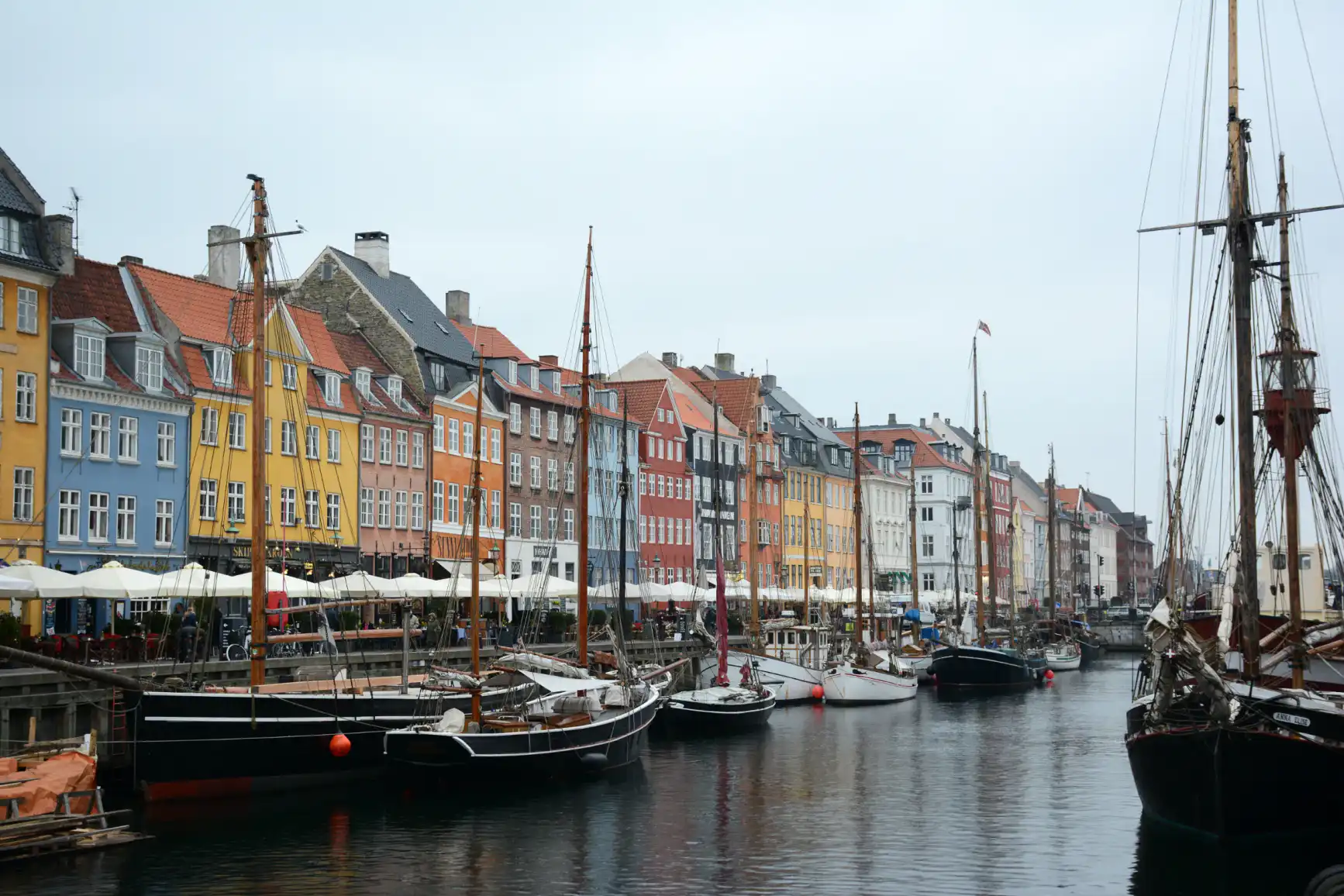
The main Copenhagen challenge is not distance: it is protecting the budget without staying too far away
Copenhagen is compact, legible and excellent without a car. Nyhavn, palaces, canals, design districts and major museums connect easily, but accommodation and meal prices can double the weekend cost. The strongest strategy is a metro-linked base, one defining paid activity and free waterfront, architecture and park time.
Gardens and tulips add most to a spring stay, but the itinerary works throughout the year. Three days balance neighbourhoods, museums and canals while keeping an easy alternative when wind or rain takes over.
The decision in 30 seconds
Choose Indre By to walk almost everywhere, Vesterbro for the best station–food–atmosphere balance, or Nørrebro for a more local trip when the room is close to metro line M3.
Verdict: a slightly dearer room beside a central station often costs less than a peripheral bargain followed by travel, waiting cafés and lost time. Location beats room size on a three-day trip.
Contents
- The decision in 30 seconds
- Where to stay: choose the area before the hotel
- Getting there and moving around without a car
- Walking, cycling or metro
- Day-by-day itinerary
- What to book and what to keep flexible
- Copenhagen Card value calculation
- Realistic budget
- Eating without overspending
- Season, weather and backup plan
- Continue planning the trip
- Mistakes to avoid
- Frequently asked questions
- Useful official sources
Where to stay: choose the area before the hotel
Copenhagen rewards a central room because the city works through short sequences: bakery, canal, museum, park and dinner. A remote base turns every pause into transport.
Budget rooms can be small and bathrooms may be shared. Check both, plus breakfast: an included buffet can materially reduce Danish daily spending.
Indre By
Rosenborg, Strøget, Christiansborg and Nyhavn become walkable. Rooms are expensive; filter recent noise comments and actual dimensions.
Vesterbro
Convenient for the station and airport, lively at night and close to Tivoli. Streets around Istedgade vary, so read recent reviews.
Nørrebro
Good for Jægersborggade, Assistens and less formal dining. Stay close to metro line M3 to avoid repeated connections.
Christianshavn
Residential canals with fast central access. Supply is limited, making an early comparison important.
Booking strategy: hold a cancellable option as soon as dates are firm, then compare again six to eight weeks out. Summer weekends, concerts and conferences compress central supply.

Getting there and moving around without a car
From the airport, the metro is direct for Kongens Nytorv and several central stations, while the train is often simpler for København H and Vesterbro. Choose around the hotel address.
Metro and urban trains form the backbone. Walking covers Indre By, but a suitable ticket helps with Nørrebro, Frederiksberg, Refshaleøen and rainy days. Check current official zones and products.
- Bike: excellent for confident riders who understand local rules; poor place to learn in active commuting traffic.
- Canal: a guided cruise can replace a sightseeing bus and reveals the city’s scale from the water.
- Harbour bus: useful public transport on selected waterfront routes, different from commentary-led cruises.
- Walking: group Indre By with the palaces, then Christianshavn with harbour architecture.
- Car: unnecessary and expensive to park.
Car-free is the default. Metro, train, walking, harbour bus and optional bike offer more flexibility than driving.
Walking, cycling or metro: which is genuinely practical?
Copenhagen does not require one mode for the whole stay. Walking is ideal for a compact first day, cycling becomes efficient when two separated districts are joined in dry weather, and the metro protects a busy plan from rain or wind.
Swipe the table horizontally on mobile.
| Mode | Choose it when | Real advantage | Constraint to know |
|---|---|---|---|
| Walking | Indre By, palaces, Nyhavn and Christianshavn | Free, simple and best for street-level detail | Tiring when Nørrebro or Refshaleøen is added on the same day |
| Bicycle | Dry weather, confident rider and trips between districts | Fast and well matched to the city’s scale | Cycle lanes have clear rules and a brisk pace; do not learn during rush hour |
| Metro and train | Rain, evenings, airport, outer hotel or several zones | Reliable and physically easy | A pass only helps when the actual ride count supports it |
| Harbour bus | A waterfront route with suitable departure times | Public transport with a strong architectural view | It is not a narrated cruise and frequency must be checked |
Simple decision: walk on day 1, use metro or train for longer links, then rent a bicycle only for a clear, dry half-day. This avoids paying for three rental days while the bike remains locked outside museums.
Day-by-day itinerary
The route limits backtracking and keeps one strong indoor option each day. It works with spring gardens, summer waterfront time or winter cafés and museums.
Historic centre, Rosenborg, Nyhavn and canals
Start at Torvehallerne, cross Kongens Have and choose Rosenborg when royal history matters. Continue through the Round Tower and central streets.
Move through Kongens Nytorv to Nyhavn, then join a cruise from Gammel Strand or Ved Stranden. The city becomes easier to understand after its canals.
Eat away from Nyhavn’s first row, then walk Ofelia Plads or the waterfront. The atmosphere remains and the bill often falls.
Rain / low-energy backup: Use SMK, Rosenborg or Designmuseum Danmark. Keep a covered cruise when wind remains reasonable.
Christiansborg, Christianshavn and harbour architecture
Explore Slotsholmen and Christiansborg before crossing to Christianshavn. Climb Our Saviour’s Church only with suitable weather and comfort with heights.
Follow canals, view the Opera and reach Refshaleøen or CopenHill according to interest. A café break prevents design from becoming a checklist.
Return to Christianshavn or Vesterbro. Use this evening for Tivoli only after checking its seasonal calendar.
Rain / low-energy backup: Nationalmuseet, Glyptoteket or DAC provide excellent indoor versions. Tivoli is not open identically year-round.
Nørrebro, Frederiksberg or a coastal art trip
Connect Assistens Cemetery, Jægersborggade and the lakes for a more everyday city, or choose Frederiksberg gardens.
Continue toward Vesterbro and the Meatpacking District, or take the train to Louisiana when modern art is the priority. The museum needs a genuine half-day.
Finish with a booked dinner near the hotel and leave luggage margin. Danish meals rarely benefit from a rushed forty-minute slot.
Rain / low-energy backup: Build the day around Louisiana, Glyptoteket or a reserved urban sauna. Do not stack a remote museum with three central districts.

What to book and what to keep flexible
One canal cruise, one major museum and optional Tivoli are enough to structure the trip. Palaces and attractions become expensive when selected by reflex.
Guided canal cruise
One useful hour connecting palaces, harbour and modern architecture from a central departure.
Electric boat with live guide
Choose it for more interaction and a hygge atmosphere rather than only landmark coverage.
Tivoli
Check opening days and the seasonal event. The ticket is worthwhile when you dedicate a real evening.
Copenhagen Card
Add the admissions you genuinely plan to use. Dense museum days suit it better than free neighbourhood exploration.
Recommended order: cancellable room, flights, Tivoli or priority-museum calendar, then cruise. Reserve high-demand restaurants, but keep weather flexibility.
Copenhagen Card: a 72-hour value example
The Copenhagen Card Discover includes more than 80 attractions and regional transport, including the airport link. It can be valuable for a dense schedule, but the price is not automatically justified when the trip is mainly districts, parks and waterfront walks.
This concrete example uses official prices displayed when checked. They can change, so repeat the calculation on the official websites before paying.
Swipe the table horizontally on mobile.
| 72-hour programme | Indicative price | What the example counts |
|---|---|---|
| Copenhagen Card Discover 72 h | DKK 1,039 | Included transport and attractions during validity |
| City Pass Small 72 h | DKK 220 | Central zones and airport within the covered area |
| Rosenborg | DKK 150 at the door | Castle and treasury according to the ticket |
| National Museum | DKK 150 at the door | Collections and exhibitions under current conditions |
| Standard canal tour | from DKK 169 | Classic canal route |
| Christiansborg combined ticket | DKK 195 | Areas covered by the official ticket |
| À-la-carte total in this example | DKK 884 | DKK 155 below the 72-hour card |
Two or three paid entries
If the plan centres on Nyhavn, parks, districts, canals and one museum, pay separately and choose the transport ticket that fits.
Four major visits
The example above is still cheaper à la carte. Compare online prices, any reductions and only the attractions you will genuinely enter.
Dense plan or regional excursion
A fifth included site, an expensive visit or a trip beyond the centre can change the result, particularly when regional transport is useful.
Racing the clock
A pass that wins on paper loses value when you cross the city merely to collect admissions. Preserve time for free districts.
Realistic budget
Copenhagen is not strictly low-cost; it becomes controllable when room, breakfast and paid admissions are managed. Its strongest walks—Nyhavn early, lakes, parks and harbour architecture—remain free.
Swipe the table horizontally on mobile.
| Item | Tight budget | Comfort | Watch |
|---|---|---|---|
| Return flight | €80–180 | €180–320 | Holidays and Friday evenings |
| 3 nights / person | €170–300 | €330–560 | Events and central rooms |
| Food | €120–190 | €230–360 | Alcohol and fine dining |
| Transport | €25–45 | €45–80 | Oversized pass |
| Activities | €45–95 | €110–220 | Tivoli and multiple palaces |
| Total | €440–810 | €895–1,540 | Per person including flight |
Save through bakery or market lunches, tap water, one major attraction per day and a location that prevents every city-centre break becoming another purchase.
Where to eat in Copenhagen without making every bill expensive
VisitCopenhagen groups many budget options around DKK 150 or less. That threshold remains high compared with several European capitals, but it helps separate a straightforward meal from a place where drinks, service and setting quickly raise the total.
DØP near the Round Tower
An organic hot dog makes a quick stop between Rosenborg, the Round Tower and the central streets. Check opening and keep an indoor alternative for poor weather.
Tommi’s Burger Joint
A direct option in the Meatpacking District when not every dinner needs to be a gastronomic event. The district is the main advantage, not a long reservation.
Folkehuset Absalon
The communal dinner can create a social evening with a readable budget. Check the programme, time and booking method before building the day around it.
Broens, Reffen or Torvehallerne
Food halls solve different tastes but do not guarantee a cheap meal. Compare menus, limit drinks and choose them first for their location.
Budget rhythm: bakery breakfast, simple lunch and one proper booked dinner. Carry water and avoid buying every break on Nyhavn, where the setting contributes heavily to the price.
Season, weather and backup plan
Wind matters as much as temperature. Spring flowers vary by week, summer gives the best evenings, autumn brings rain and changing light, while winter shifts value toward museums, cafés and seasonal Tivoli.
Pair one outdoor and one nearby indoor anchor each day: Rosenborg with SMK, Christianshavn with DAC or Nationalmuseet, and Vesterbro with Glyptoteket.
March and April
Increasing light, possible cold wind and flowers without exact guarantees.
May to August
Best outdoor days, highest demand and expensive rooms.
September and October
Very enjoyable with waterproof clothing and shorter light.
November to February
More indoor time; verify Tivoli, markets and seasonal hours.
Mistakes to avoid
Staying far away for the displayed price
Add transport, time and central waiting purchases before calling it a saving.
Hiring a bike without knowing the rules
Cycle lanes are fast and organised; metro and walking are safer when uncertain.
Eating every meal in Nyhavn
Vesterbro, Nørrebro and markets provide broader choice.
Buying a pass without adding costs
Three free walks and one museum can cost less than a dense pass.
Assuming Tivoli is open
Opening periods change with seasons and events.
Underestimating wind
A mild temperature can feel cold beside the water; pack a windproof layer.
Frequently asked questions
Yes for the centre, Christianshavn, Vesterbro and one more district. Add a day for Louisiana or another excursion.
Indre By for maximum walking, Vesterbro for the strongest price–station–food balance.
No. It is excellent for confident cyclists, but metro and walking fully cover the trip.
Only when the included admissions match your actual itinerary. Add them before buying.
Yes with more museums, cafés and seasonal events. A central hotel becomes even more valuable.
It requires trade-offs. Early accommodation, markets, bakeries and free architecture keep the total controlled.
Useful official sources
Final verdict
For three days, choose Indre By or Vesterbro, reserve a canal cruise and one major indoor attraction, then build the rest around neighbourhoods. That alternation keeps Copenhagen rich without turning every hour into a ticket.
In spring, add gardens and tulips whenever the weather allows; the rest of the itinerary keeps the same balance of walking, canals and indoor visits.
Transparency: some accommodation and activity links are affiliate links. LowCostWings may receive a commission if you book after using them, at no extra cost. Budget bands are search targets rather than guaranteed prices.