Belgrade in 2 Days: Itinerary, Where to Stay, Nightlife and Budget
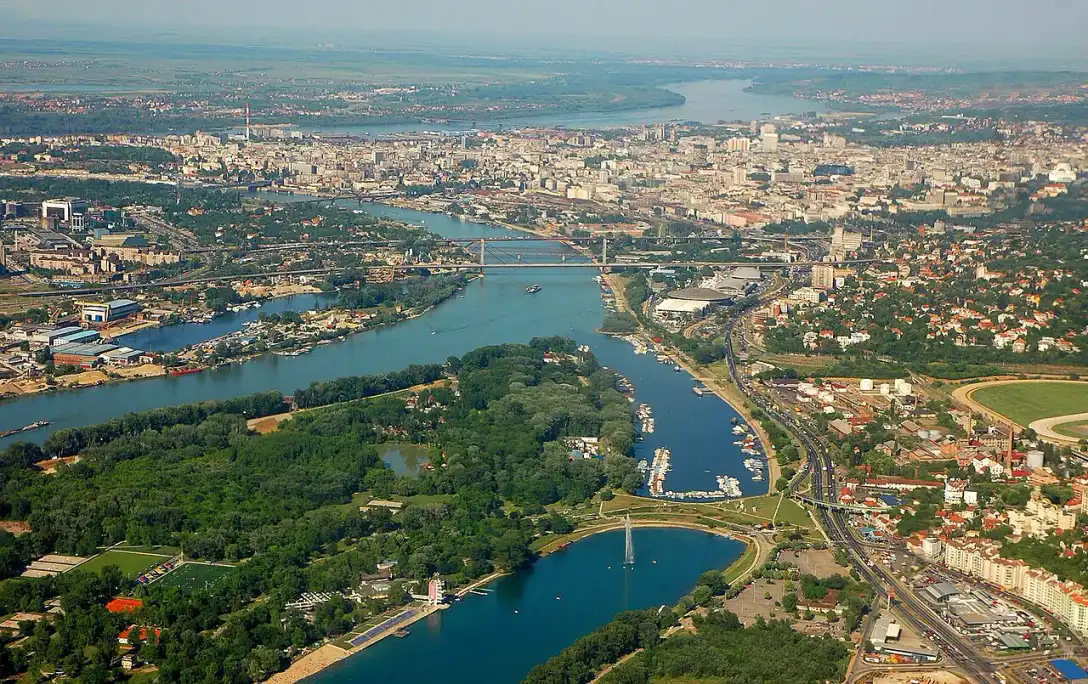
Belgrade is not a capital that makes sense as a checklist of monuments. Its identity sits between the fortress above the river confluence, Dorćol’s streets, large Yugoslav-era avenues, the Church of Saint Sava and the former frontier town of Zemun. Two days provide a strong first reading when neighbourhoods are grouped and nightlife is not treated as an endurance test.
This is a complete first-visit guide: itinerary, places to stay, free urban transport, realistic costs, food, evenings and activity choices. Opening hours and regulations change, so the official pages linked below remain the authority for your dates.
Our recommendation: stay in Stari Grad or Dorćol, reach the fortress in late afternoon on day one and give Zemun its own half-day. Urban public transport has been free since 1 January 2025, but airport and special services should be checked separately.
How to organise two days in Belgrade
- When to visit
- Airport and transport
- Essential places
- Two-day itinerary
- Nightlife
- Food
- Budget
- Travel styles
- Mistakes
- FAQ
Keep day one on the central plateau: Republic Square, Knez Mihailova, the fortress, Dorćol and perhaps Skadarlija. Day two links Saint Sava with Zemun, using free public transport to avoid an exhausting diagonal walk. This creates a readable journey through the city instead of repeated transfers between scattered pins.

When to visit Belgrade
April to June and September to October offer the easiest conditions for long walks and outdoor tables. Weather remains changeable, but extremes are less likely than in midwinter or high summer. Events, conferences and major sports weekends can still push room demand sharply upward.
July and August produce lively evenings and possible midday heat. Use the hottest hours for Saint Sava, museums and cafés, then keep the fortress and rivers for late afternoon. Winter can be cold, grey and windy. It suits food and culture, yet a separate winter article would dilute the cluster before the year-round guide builds stronger authority.
May–June
Long days, green parks and terraces, with increasingly strong demand.
Summer
Active evenings and heat: start early and slow down in the middle of the day.
November–March
Museums, cafés and restaurants replace some of the long riverside walks.
From the airport and free public transport in the city
Nikola Tesla Airport lies west of the centre. Airport lines, stops and payment arrangements may change, so check the airport or tourist office for your dates and compare with an official taxi if arriving late or in a group. Do not accept an informal ride inside the terminal. Ask the accommodation for the most practical drop-off point, especially when reception is in a pedestrian street.
Belgrade’s tourist office states that urban and suburban public transport has been free since 1 January 2025. Buses, trams and trolleybuses therefore connect Saint Sava, Novi Beograd and Zemun without a visitor pass. Still verify airport services, temporary diversions and any special exceptions separately.
The central sights are walkable, but Belgrade is not flat. The fortress stands over the rivers, Saint Sava lies south and Zemun forms a second urban core. Combine walking with transport instead of turning each half-day into fifteen kilometres. Route apps may lag behind temporary changes, so confirm the stop displayed on the street.
Practical detail: keep the hotel address in Latin script and, if supplied, Serbian script. Download an offline map and identify the return stop before a late evening.
The places that explain Belgrade
Fortress, Kalemegdan and the river confluence
Kalemegdan is a park, a fortified complex and a high viewpoint over the meeting of the Sava and Danube. Free public areas and views are distinct from individual museums or paid spaces. Allow at least two hours for the gates, walls and Victor Monument without rushing. Late afternoon provides clearer light and leads naturally towards Dorćol.
Knez Mihailova, Republic Square and the National Museum
The pedestrian axis is a useful compass rather than a full-day attraction. Republic Square links the National Museum, theatre and central streets. If the museum matters, check its closure day and make a focused visit. Its collection deserves more than thirty minutes squeezed between cafés.
Dorćol and Skadarlija
Dorćol mixes historical layers, contemporary cafés and slopes towards the Danube. Skadarlija presents a visible version of the city’s bohemian tradition through restaurants and music. It can make a good evening when the venue and prices are chosen consciously, but it is not compulsory. Walk the street, hear the atmosphere and read the menu before sitting down.
Saint Sava and twentieth-century Belgrade
The Church of Saint Sava impresses through scale and mosaics. Respect services and dress, then give the interior more than a camera stop. The surrounding Vračar district provides a residential contrast. Novi Beograd reveals another architectural scale, but a first two-day itinerary should avoid scattering too many remote stops.
Zemun, a town within the city
Zemun developed its own history and urban form before becoming part of Belgrade. The Danube promenade, market, low streets and climb to Gardoš create a coherent half-day. Spending time on the route is more valuable than travelling there for one tower photograph.

A practical two-day Belgrade itinerary
Republic Square, Knez Mihailova and orientation
Start at Republic Square, then walk Knez Mihailova while paying attention to passages and façades instead of moving directly to the park. A morning coffee is a useful moment to confirm National Museum hours if you intend to enter.
Choose either the museum or a longer historical-street circuit. Do not schedule the National Museum, Nikola Tesla Museum and Museum of Yugoslavia on the same day. They sit in different areas and tell stories that need attention.
Fortress, Kalemegdan and Dorćol
Enter Kalemegdan after lunch and follow the changing levels of the fortifications. The confluence views emerge gradually; save the broadest viewpoints for late light. Check the opening times of paid spaces individually.
Descend towards Dorćol for cafés, streets or the river depending on energy. Have dinner in Dorćol or Skadarlija. If a late night is planned, return to the hotel first. A pause and appropriate shoes are more valuable than an unbroken programme.
Saint Sava, Vračar and one chosen museum
Reach Saint Sava before the busiest period, enter respectfully and leave time for the mosaics. Walk through Vračar for breakfast or coffee. The Nikola Tesla Museum can complete the morning when its current tour language and entry format suit you.
Alternatively, choose the Museum of Yugoslavia for a broader political and social story. Do not visit both from obligation. The right museum supplies context for everything else.
Zemun, Gardoš and the Danube
Use public transport to Zemun, begin with the lower streets and market, then climb towards Gardoš. The hill is short but genuine. Its view connects the Danube, Novi Beograd and the old frontier geography.
Finish on the river promenade and eat in Zemun if the return is simple. For an evening flight, replace this half-day with a central loop: crossing the urban area and then reaching the airport creates unnecessary uncertainty.
Belgrade nightlife beyond the floating clubs
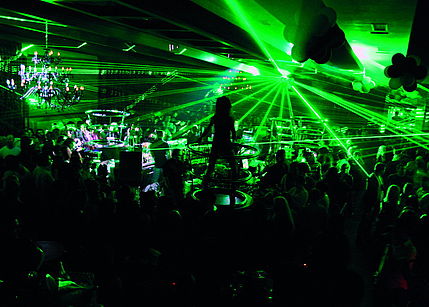
The nightlife reputation partly rests on splavovi, floating venues whose styles, locations and rules change. Some close, move or operate seasonally. Never treat an old list as a guarantee. Verify the venue’s official page, programme, entry policy, dress code, payment and route home.
Cetinjska and other bar areas are easier to explore spontaneously, while kafanas place music and food at the centre. Skadarlija suits travellers who want a visible form of this tradition, but price and volume should be accepted before ordering. A table with live music is not automatically a cheap night.
Practical safety: keep control of your drink, use an identified taxi or verified public route and never follow a promoter to a different address. Belgrade is generally straightforward, but fatigue and alcohol increase ordinary risks.
What to eat and how to read the bill
A quick breakfast or lunch can begin with burek and yoghurt from a pekara. At a restaurant, look for ćevapi, grilled meats, beans, salads, kajmak and slow-cooked dishes without assuming one place specialises in everything. Portions can be large, so ask about size and share starters.
Service, bread, sides and music may be charged differently between venues. Read the menu, check prices by weight and ask before ordering a local bottle without a clear figure. Cards are accepted widely in many businesses, but a small amount of Serbian dinars remains useful.
For a short trip, combine a bakery, a simple lunch and one selected dinner. This prevents every meal becoming a major expense and creates room for contemporary cooking in Dorćol or Zemun.

Realistic budget for two days in Belgrade
These ranges are per person for two travellers sharing a room and exclude flights. They compare travel styles rather than promise a future price.
| Item | Controlled budget | Comfort budget | Useful lever |
|---|---|---|---|
| Two nights | €70–130 | €160–280 | Dorćol or edge of Stari Grad |
| Food and drinks | €45–80 | €100–175 | Bakery plus one chosen dinner |
| Local transport | €0–20 | €25–60 | Free network, selective taxis |
| Sights and nightlife | €25–55 | €70–140 | One museum plus one activity |
| Total | €140–285 | €355–655 | Airport and flight excluded |
Free urban transport lowers the total but cannot compensate for a poorly placed room or repeated night taxis. Check accommodation before buying a non-refundable flight, particularly around events. A slightly higher room price within the day-one walking zone may improve the overall budget.
Adapt Belgrade to your travel style
Centre, fortress, Saint Sava, Zemun
Keep the main route and one museum. It supplies the four essential geographies.
National Museum or Yugoslavia
Choose the period that matters and add a walking tour instead of skimming two collections.
One serious night, one protected morning
Verify the venue and return, then lighten the first activity of the next day.
Free transport and outdoor time
The fortress, rivers, districts and churches minimise tickets; spend on one museum or guided experience.
Eight mistakes to avoid in Belgrade
Walking every connection
Districts are farther apart and hillier than they look. Use the free network.
Assuming every airport trip is free
Verify the exact service and conditions for your date.
Building the city around nightlife
One evening is enough on a first visit; the fortress and neighbourhoods need a clear day.
Using an old floating-club list
Addresses and permissions change. Check the venue’s current official information.
Scheduling three museums
They are dispersed and need context. Choose one narrative.
Reducing Zemun to the tower
The promenade, market and lower streets justify the half-day.
Accepting an informal airport ride
Use identified services with a clear meter or price.
Underestimating portions and extras
Ask about sizes, weight pricing and what is included.
Belgrade in two days: FAQ
Yes for the centre, fortress, Saint Sava, Dorćol and Zemun. Add a third day for Novi Beograd, several museums or more nightlife.
The tourist office states that urban and suburban lines have been free since 1 January 2025. Verify exceptions, airport services and temporary changes.
Stari Grad maximises walking, Dorćol adds cafés and restaurants, and Zemun works better for a longer or river-focused stay.
For a specific Friday or Saturday venue, yes. Always confirm location, entry, dress rules and the return route.
The local currency is the Serbian dinar. Use officially accepted payment, avoid informal conversion and check any terminal exchange option.
No for this itinerary. Walking, public transport and selective taxis cover the trip more efficiently.

What to book first, and what can remain flexible
Start with the room, because neighbourhood and weekend demand affect every other decision. Check the exact entrance, late reception and street noise before paying. Next, compare the flight with the airport transfer at the actual arrival hour. A very cheap late flight loses value when it creates an uncertain or expensive final journey.
Reserve only the activity that has limited capacity: a small-group walk, a specific museum format or a Friday-night venue you genuinely want. The fortress, Knez Mihailova, Dorćol and Zemun do not need an hour-by-hour purchase. Keeping them flexible lets you move the river views to the clearest weather and place interiors in rain or heat.
Before departure, save the hotel address, airport instructions and the current public-transport notice offline. Note the official taxi process, the location of the first morning stop and the last practical return from Zemun. Carry a payment card plus a modest amount of dinars rather than exchanging a large sum at the first counter.
Final 24-hour check: confirm museum closure days, the selected nightlife address, any public-transport diversions and your airport route. These four checks prevent most avoidable changes to a two-day plan.
If you have a third day
Use it to deepen one theme instead of stretching the same route. Novi Beograd suits architecture and the Museum of Contemporary Art; the Museum of Yugoslavia adds historical context; Ada Ciganlija provides outdoor time in suitable weather. Another option is a slower return to Zemun with lunch beside the Danube.
Do not spend the extra day on a distant excursion merely because it is available. Belgrade’s scale and twentieth-century history are precisely what a two-day visit can only introduce.
Where to stay: choose a base that saves travel time
Compare the total trip cost, not only the room price: a cheaper address can add transfers, time or car hire.
Stari Grad
The clearest first-visit base for Knez Mihailova, the fortress and major sights. Some streets are noisy at weekends.
Dorćol
Cafés, contemporary restaurants and easy Danube access. The exact address matters because the district is broad.
Zemun
A more local, river-facing stay that suits a third night. Less practical if the entire plan is in Stari Grad.
Three activities worth booking selectively
Choose according to your blind spot: history on foot, geography on the river or food beyond a simple dish checklist.
Belgrade guided walking tour
Check duration, group size and the exact meeting point.
Danube and Sava sightseeing cruise
Compare inclusions and cancellation conditions.
Street-food and drinks tour
Read the fitness level, language and age requirements.
Continue planning without duplicating this itinerary
These guides extend the trip through another city, a different season or a useful budget comparison.
Official sources to check before departure
- Tourist Organization of Belgrade
- Official guide — Belgrade Fortress
- Official guide — free public transport
Schedules, prices, works, weather closures and access conditions are those published by the operator for your date.

Belgrade rewards coherent choices
A good short trip does not try to tick every box. It protects travel time, places major sights at the right hour and keeps room for weather or an unexpected discovery. Book a suitable base first, then one activity that genuinely improves the itinerary.
Some accommodation and activity links are affiliate links. They may earn a commission without changing your price. Always verify schedules, cancellation terms and requirements with the provider.