Barcelona in 2 Days: Gaudí, Neighbourhoods, Food and Budget
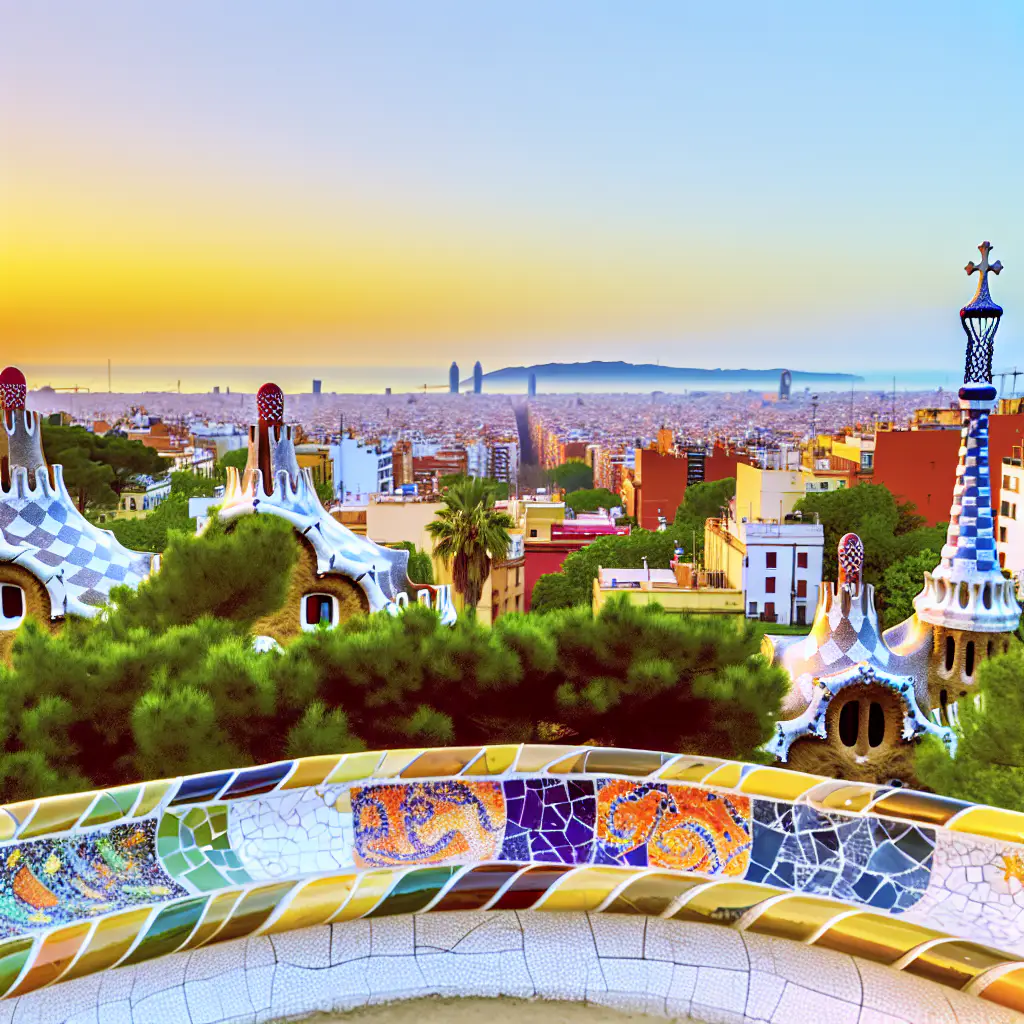
Barcelona becomes frustrating when Sagrada Família, Park Güell, the old city and the beach are stacked without checking the map or ticket times. The two major Gaudí sites are apart, admission is timed and popular routes become dense. A good weekend uses one booking per half-day and lets neighbourhoods connect the landmarks.
Day one combines Sagrada Família, Eixample and the old city; day two starts at Park Güell and descends through Gràcia before choosing Montjuïc or the sea. This new English pillar mirrors the planning logic of the established French page while using natural English search language and its own editorial flow.
Two days show the essentials if you choose between Sagrada interiors, several Gaudí houses, beach and Montjuïc. Three days are notably better. A car is unnecessary: metro, buses and walking cover the route, while parking and traffic add a problem without improving the trip.
The trip at a glance
This itinerary uses coherent areas, one structural booking per day and a complete budget.
When to go and how many days to allow
April to June and September to October provide the strongest walking conditions. Temperatures are easier than midsummer, but tickets and hotels remain popular. Reserve Gaudí sights once dates are secure, using cancellation terms that fit the trip.
In July and August, put Park Güell early and keep interiors or lunch for the heat. Barceloneta can be enjoyable but crowded and is not a shortcut between landmarks. Winter brings cool evenings and a calmer waterfront; swimming should not be presented as guaranteed.
Trade fairs, matches and concerts can move hotel and transport demand. Check the calendar and do not judge a district only by its displayed price: a local surge may make a better-connected alternative much stronger value.

Where to stay
Eixample gives the best balance of metro, food and legible streets. Gràcia feels more local and sits nearer Park Güell, though some addresses are uphill. The Gothic Quarter maximises atmosphere and early walks but demands a close look at noise, taxi access and natural light.
Poble-sec works for Montjuïc and dinner; Barceloneta is for travellers who genuinely prioritise the sea. On a two-day trip, choose the area that reduces travel to your reservations rather than one claiming to be close to everything.
Eixample
The grid, many stations and varied restaurants simplify a first visit. Choose the section according to tickets: Sagrada to the east, Passeig de Gràcia centrally.
Gràcia
Highly enjoyable at night and useful for Park Güell. Hills and streets away from the metro make the exact address important.
Gothic Quarter / El Born
Good for early starts and old-city dinners. Noise, lanes, stairs and dark rooms require recent reviews.
Poble-sec
Metro, restaurants and Montjuïc access create practical value. Reaching Park Güell requires an organised departure.

Airport, public transport and walking
El Prat Airport connects by train, metro, Aerobús, urban bus and taxi. Terminal and district make the difference. Rail serves several hubs from the relevant terminal; metro is regular but not always direct; Aerobús simplifies Plaça Catalunya and Plaça Espanya.
Metro handles long city distances and buses help with hills, especially near Park Güell. Do not assume an urban pass includes every airport ride: read TMB and product conditions. Count actual journeys before buying several days.
Barcelona is walked by zones, but Eixample is large and Montjuïc adds elevation. Allow margin from Sagrada Família to the old city, and from Park Güell to the next branch. Map times exclude ticket checks, station exits and crowds.
On busy visitor routes and transport, close bags and secure phones. This is practical care, not a reason to fear the city: carrying a bag in front in a crowd and leaving nothing loose on a table reduce risk.

Detailed Barcelona itinerary
The route keeps a buffer around tickets and offers a genuine alternative when the third day is optional.
Sagrada Família, Eixample and the old city
Morning. Book Sagrada Família for a morning slot. Arrive with margin, understand what is included—basilica, tower, audio—and give the façades time before or after the interior. Towers add access restrictions and are not essential on a first visit.
Afternoon. Walk or take the metro to Passeig de Gràcia. Choose Casa Batlló or La Pedrera only if the interior genuinely interests you; viewing the façades and continuing to Plaça Catalunya may be more balanced. Descend into the Gothic Quarter and El Born.
Evening. Eat in El Born, Sant Antoni or Eixample according to the hotel. La Rambla is a route, not an entire evening. Cathedral lanes and small squares improve after the largest groups disperse.
Why this order: the essential booking comes before peak density, Eixample connects the architecture and the old city gets the hours when its streets regain atmosphere.
Park Güell, Gràcia and Montjuïc or the sea
Morning. Reach Park Güell for the first useful slot. Verify the entrance and travel time from metro or bus: the park is uphill and its monumental zone is not beside a station exit. Walk down through Gràcia afterwards.
Afternoon. Choose one branch. Montjuïc combines gardens, museums and views; Barceloneta and the waterfront provide a lighter walk; Sant Antoni and Poble-sec favour markets and food. Trying beach and Montjuïc in one afternoon reduces both to quick photos.
Evening. Finish near the chosen branch. On Montjuïc, verify cable-car and fountain times; by the sea, leave nothing unattended. In Gràcia, reserve only a specific table and enjoy the squares.
Why this order: Park Güell is handled before heat and density, then the route descends. The afternoon is a traveller-profile decision rather than a geographical race.
Optional third day: Montjuïc, beach or Montserrat
Morning. If Montjuïc was omitted, give it a coherent half-day around one museum and the gardens. For the beach, start early and leave the waterfront before peak heat and density.
Afternoon. Montserrat deserves a separate day with transport, tickets and weather checked. It should not share a day with Sagrada Família or Park Güell. An urban alternative links Sant Pau and Poblenou’s former industrial areas.
Evening. Use the final night in a district already enjoyed rather than crossing the city again. Verify the airport return and first transport if the flight is early.
Why this order: the extra day deepens a branch intentionally excluded from the first two. It does not stack all three scenarios.

What should be booked first?
The three options below link directly to the described product. Compare language, inclusions, cancellation and end point before confirming.
Sagrada Família and Park Güell
A combination reduces the search for two high-demand tickets. Check order, transfers, tower options and free time because the sites are not neighbours.
Park Güell ticket
A Park Güell ticket secures the monumental zone. Select the entrance to match the route and allow for the actual climb from transport.
Montserrat day trip
Montserrat makes sense with a spare day. Compare train or coach, monastery admission, free time and weather dependence.

Eat well without multiplying tourist traps
Catalan food extends beyond tapas. Look for pa amb tomàquet, escalivada, bombas, seafood, rice and seasonal dishes. A rice restaurant often requires time and a reservation, while a market suits a flexible lunch or exploration of ingredients.
La Boqueria is famous and crowded. Arrive early if it matters, respect working stalls and do not assume every ready-to-eat cup is the best value. Sant Antoni, Santa Caterina and neighbourhood streets may suit a full meal better.
In tourist zones, check terrace charges, service and prices before ordering. Paella advertised everywhere is not proof of minute-by-minute cooking. Reserve one important meal and keep the rest aligned with the day’s district.
- Gràcia: squares, vermouth and neighbourhood restaurants.
- Sant Antoni: market and useful food between the centre and Poble-sec.
- El Born: extensive choice that changes street by street.
- Barceloneta: fish and rice with a premium near the waterfront.
- Eixample: broad choice and easy logistics after sightseeing.

Realistic budget per person, excluding flights
These per-person ranges assume a shared room. Barcelona shifts sharply with fairs, matches, concerts and booking lead time. Gaudí tickets are a real cost, so select the interiors you want to understand instead of buying every house.
Control the budget by staying near a useful line, booking no more than two major sights in two days and walking by zones. Add a reserve for storage, airport supplement, terrace drink or changed transport. The cheapest pass is not automatically the best value.
| Item | Controlled budget | Comfort |
|---|---|---|
| Accommodation, 2 nights | €130–270 | €300–560 |
| Food and drink | €60–105 | €135–230 |
| Local transport | €20–40 | €50–90 |
| Sights and activities | €55–105 | €130–250 |
| Total excluding flights | €265–520 | €615–1,130 |
Booking strategy and backup plan
Book Sagrada Família first, then Park Güell, on separate mornings. Add a Gaudí house only if its interior is a priority; add Montserrat only with another day.
Check entrance, tower, guide, language, meeting point and cancellation. For a combination, verify how travel between sites works. A listing that places them together without transport may leave a tight transfer entirely to you.
Prepare a rain branch around interiors and museums, and a heat branch keeping parks early. The beach is not an automatic fallback when wind, water conditions or crowding make it unattractive.
Match the ticket to the traveller rather than to the longest list of inclusions. Towers involve access restrictions; immersive house visits use substantial time; a guided old-city walk may overlap streets already covered independently. Read the finish point as carefully as the meeting point, because an activity ending in the wrong district can break the next reservation.
During a major match, festival or trade fair, recheck the entire route. Hotel prices are only one effect: station exits, taxi availability and dining demand also change. Moving one neighbourhood to another evening is often more effective than adding early departures to an already full plan.
Pace, accessibility and the short version
Map times assume continuous movement. In Barcelona, they exclude security, station exits, queues and photo stops. Add fifteen minutes around a reserved visit and more with children, luggage or reduced mobility. The buffer protects lunch and the next activity; it does not remove value from the day.
Define a short version each morning with one essential sight, one neighbourhood and one good meal. Remove the most distant extension first, then a secondary interior. Do not sacrifice the airport margin or the admission that motivated the trip. This hierarchy prevents an expensive decision in rain or a queue.
For accessibility, verify the exact monument entrance, station lift and surface of the route. A general “accessible” label may not describe cobbles, gradients or waiting areas. Contact the site when access determines the visit and keep a strong alternative in the same district.
Cut costs without weakening the trip
Start with accommodation, the largest variable in Barcelona. Compare the total including cancellation, taxes, breakfast and airport transport. A slightly dearer central room can cost less than a remote address followed by taxis or late connections.
Concentrate spending on one memorable visit and one meal. Free viewpoints, walkable districts and a simple lunch release real budget. A pass only pays when its included admissions match the plan; total the tickets you would independently buy.
Keep a 10–15% reserve for storage, weather, an unexpected transfer or closure. Without it, a small disruption forces an urgent purchase. With it, you can reject an activity that no longer makes sense and preserve the priorities.
Checklist 48 hours before departure
Confirm local arrival time, last transport, check-in procedure and the first ticket. Download confirmations, maps and addresses. Check works, closures and baggage rules on official sources, then read the hourly weather rather than one general icon.
- Confirm slots and the exact entrance for each sight.
- Recalculate the airport-to-hotel journey.
- Prepare an indoor option and a short version.
- Check shoes, water and seasonal protection.
- Leave a real margin before the return flight or train.
Common mistakes to avoid
The plan becomes far more reliable when these mistakes are removed before departure.
- Booking Sagrada Família and Park Güell too close together.
- Assuming Park Güell sits beside a metro exit.
- Buying every Gaudí house without choosing by interest.
- Treating Barceloneta as a quick stop between monuments.
- Selecting a Gothic Quarter hotel without checking noise and access.
- Leaving phones and wallets exposed in dense areas.
Frequently asked questions
The answers below resolve the decisions travellers most often face.
Are two days enough for Barcelona?
Yes for Sagrada Família, Park Güell, Eixample and the old city, with one branch for beach or Montjuïc. Three days are more comfortable.
Where should I stay?
Eixample is the best balance; Gràcia feels local; the Gothic Quarter maximises history with more noise.
Should Sagrada Família be booked?
Yes. Slots fill and tower options have separate conditions. Arrive with margin.
How do I reach Park Güell?
Metro and buses get close, but an uphill walk is often required. Follow the entrance shown on the ticket.
Can Barcelona be visited without a car?
Yes. Metro, buses and walking cover the route; driving and parking complicate it.
Beach or Montjuïc?
The beach brings sea and a pause; Montjuïc brings gardens, museums and views. Choose by weather and priority.
Does Montserrat fit into the weekend?
Only by giving up a large part of Barcelona. It is better as a third day.
Which transport pass should I buy?
The one matching actual journeys and the airport method. Read exclusions before payment.
Official sources to recheck
Hours, prices and conditions change faster than the route. Check these sources when booking and again before travel.
Barcelona in 2 days: the balanced plan
A successful short trip does not try to cover everything. It protects the sights that define the destination, groups neighbourhoods and leaves enough room for weather, queues and one deliberate meal.
Transparency: some booking links are affiliate links. Using them may support LowCostWings without changing the displayed price. Recommendations remain based on trip value.