Lisbon in 3 Days: Itinerary, Where to Stay, Transport and Budget
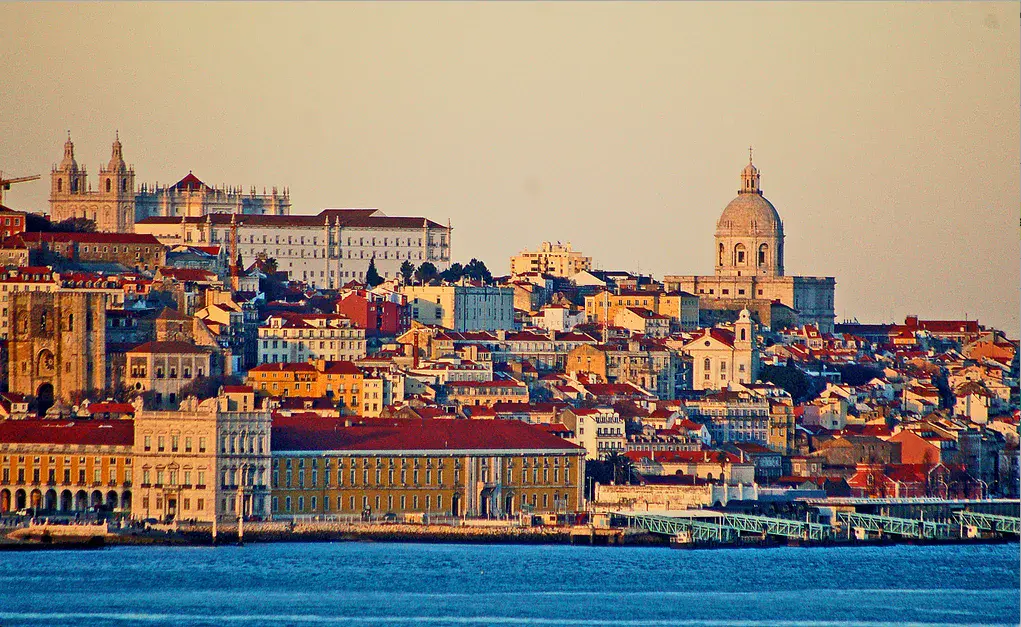
Lisbon becomes inefficient when attractions are added without respecting the hills. Over three days, the useful strategy is to group neighbourhoods, treat trams as transport rather than compulsory rides, and reserve only the places where a timed entry genuinely protects the day. Alfama, Baixa, Chiado, Belém and the Tagus can form a smooth trip when you do not cross the city for every meal.
This new English pillar focuses on decisions: where to stay for your mobility, how to organise three distinct days, when Sintra deserves a full day, what the city now costs and how to adapt to heat or rain. The separate Lisbon spring guide remains available for a narrower seasonal intent; the core page stays evergreen.
Best first-trip plan: three nights in Baixa, Chiado or lower Alfama. Use day one for the old centre, day two for Belém and Alcântara, and day three for Estrela, Príncipe Real and the river — or give the whole day to Sintra while accepting that you will see less of Lisbon itself.
Lisbon in three days: decisions that save time

When to visit Lisbon
Spring and early autumn offer the easiest balance of light, walking and outdoor meals. Days are long enough for Belém and a viewpoint without forcing every climb into midsummer heat. April, May, late September and October work particularly well for an active first trip, although no month removes rain or wind from the Tagus.
From November to February, Lisbon remains a complete city break. Rain can be heavy, darkness arrives earlier and some terraces lose their appeal; museums, markets and long lunches become more valuable. One flexible evergreen itinerary with indoor alternatives serves winter travellers better than several thin pages for January and February.
July and August require a different rhythm. Start early, use the hottest hours for interiors, move the riverfront into late afternoon and accept that a Graça climb at 3 p.m. is poor planning. The best month depends at least as much on your comfort with hills and heat as on an average temperature.
March to June
Longer light, gardens and days suited to a full itinerary without constant heat.
September to November
Pleasant evenings and a useful window for combining the city with Sintra.
December to February outside holidays
A living city, useful museums and sometimes softer rates; build a real rain plan.

Where to stay without fighting the hills
The best area is not an abstract version of “authentic Lisbon”. It is the place that lets you return after dinner and start early without a connection. Open the topographic map, measure the metro walk and read comments about stairs, soundproofing and luggage access.
Baixa and Chiado
Central and straightforward for transport and late returns. Main streets are tourist-heavy, yet the location genuinely protects a short stay.
Lower Alfama and Sé
Lanes, fado and morning light, along with cobbles and slopes. Stay lower when luggage or mobility is a concern.
Estrela or Príncipe Real
Residential cafés, gardens and restaurants. Check the final journey instead of assuming a tram will always solve it.
Cais do Sodré
Excellent for ferries and evenings, weaker for light sleepers. One street can change the noise level dramatically.
Belém is excellent to visit but less efficient as a first base when every evening happens in Alfama or Chiado. Parque das Nações serves conferences, the Oceanarium and Oriente departures; it does not replace a central district for a three-day heritage trip.

Three-day Lisbon itinerary
Baixa, Alfama and Graça in the right direction
Start at Praça do Comércio before large groups arrive, cross Baixa and climb past Sé towards Santa Luzia and Portas do Sol. When heat or mobility requires it, use transport to gain height and descend through Alfama on foot. That direction prevents your first morning becoming a staircase workout.
São Jorge Castle deserves a timed entry when the panorama and history matter to you; otherwise, public miradouros already provide strong views. Eat away from the most obvious axis and leave room for lanes, fountains and an open church. Alfama performs badly as a minute-by-minute checklist.
Reach Graça or Senhora do Monte only if energy remains. A sunset near your chosen dinner is better than a famous viewpoint across town. For fado, select a venue that states its format, menu and approximate duration; “authentic” is not a price category.

Belém, waterfront heritage and Alcântara
Reach Belém early. Start with Jerónimos Monastery or the tower according to current opening arrangements and tickets. Do not assume the Lisboa Card is automatically good value: add the attractions you will truly enter and confirm which timed reservations remain necessary.
Walk the waterfront after the major monument. MAAT, the National Coach Museum and the Maritime Museum create three very different afternoons; choose one. A pastel break does not require the longest photographed queue because the district has other bakeries.
Finish at Alcântara or LX Factory when its shops and restaurants suit you, then return by the service that is actually operating. This is not a secret city; it is a pleasant transition from monuments to design and dinner.

Chiado, Estrela and Príncipe Real — or Sintra
To remain in Lisbon, begin around Chiado and the Carmo ruins, then move through Bica according to your base. Continue towards Estrela garden and Príncipe Real. This day reveals a more residential city of bookshops, markets, workshops and pauses rather than isolated monuments.
Cross the Tagus by ferry to Cacilhas when skies are clear and you want a different city view. The ride is simple but frequencies change, so check the return. It creates a sense of travel without sacrificing a whole day.
Sintra replaces this programme; it cannot be added to it. Reserve one clear palace sequence, depart early and build backwards from the return train. Pena, Regaleira, the historic centre and Cabo da Roca in one day usually produce more transport than visiting.

Metro, trams and walking
The metro links the airport into the urban network with a connection depending on your area. After a late flight or with several bags, compare a taxi with the complete public-transport journey to the actual door. Two changes and a cobbled climb can erase a small fare saving.
Tram 28 crosses several historic neighbourhoods, but its fame produces queues and crowding. Board early at a terminus or use one functional section. Do not surrender half a day to “doing the 28”; buses, funiculars and lifts solve the same elevation problem.
The Lisboa Card combines transport and admissions for a set period. It pays when your real itinerary uses enough inclusions and does not always remove reservation requirements. Compare it with ordinary transport and your priority tickets, then read current official terms.
Footwear: polished calçada becomes slippery when wet. Grip improves the day more than a list of ten viewpoints.
Eating without joining every famous queue
Alternate one reserved restaurant, a market meal and neighbourhood places. Bacalhau, seasonal sardines, bifana, soups, cheese and pastries allow several spending levels. A tourist menu is not automatically poor, but a tout and unclear prices are reasons to walk another street.
Belém’s famous bakery is worthwhile when its story interests you; it does not own the idea of a pastel de nata. Taste versions elsewhere. Time Out Market provides range but not necessarily the lowest price or most local atmosphere.
Bread, olives and appetisers placed on the table may be charged when eaten. Ask their price or decline them politely. At a fado venue, confirm minimum spend, fixed menus and the number of music sets before sitting down.
Three bookings that can protect the trip
Central Lisbon walking tour
Useful on the first morning for neighbourhood context, provided you still keep independent time afterwards.
Small-group Belém walk
Choose it for context and a clear sequence rather than collecting separate tickets without a plan.
Sintra, Pena and Regaleira
A tour simplifies logistics but reduces flexibility. Read the included entries, free time and group size carefully.
Three-day Lisbon budget
Lisbon is no longer consistently cheap. Central accommodation carries the largest cost, yet it can reduce transport and fatigue. These ranges are per person when two adults share, before flights and shopping.
Faites défiler le tableau horizontalement sur mobile.
| Item | Controlled budget | Comfort budget | Decision |
|---|---|---|---|
| Accommodation, 3 nights | €135–270 | €300–510 | Location before floor space |
| Food | €75–120 | €150–240 | Market plus one booking |
| Transport | €20–40 | €45–80 | Buy a pass only when useful |
| Admissions | €55–110 | €120–220 | Choose two priorities |
| Total before flights | €285–540 | €615–1,050 | A guided Sintra day raises it |
A hotel costing twenty euros more in the centre can outperform a remote room that adds two journeys every day. Calculate total trip cost, not only the nightly rate. Festivals, holidays and major events can sharply increase demand.
Match Lisbon to the traveller
Keep the central triangle
Baixa, Alfama, Chiado and Belém are enough to understand the city. Save Sintra for day four instead of reducing every neighbourhood to an hour.
Fewer hills, better transport
Prioritise Baixa, use Parque das Nações for a half-day and choose one viewpoint. Funiculars become comfort tools rather than a collection.
Market, neighbourhood and one booking
Select one important table, one market lunch and one local dinner. Variety creates value more reliably than three viral restaurants.
Map every real entrance
Lisbon remains possible, but cobbles, stairs and slopes require address-level planning. Confirm hotel lifts and use taxi or metro to gain height.
Book in the right order
Start with area and room, then evaluate the flight together with the airport journey. Secure the entries that structure a whole day — a major Belém monument, the castle or a Sintra tour. Restaurants, walking tours and cruises come later because alternatives are normally more plentiful.
For each ticket, record whether the time means admission, group departure or security entry. Download confirmations for offline use. A resilient plan also names a free substitute: a miradouro, ferry, garden or neighbourhood walk. That alternative prevents a closure or downpour from consuming half the day.
Eight mistakes to avoid
Ignoring elevation
Two nearby pins may be separated by a steep slope. Check contours and the final approach.
Waiting too long for tram 28
It is not a compulsory ride. Start early or use another route.
Adding Sintra after day three
Sintra replaces a Lisbon day; it does not fit between Belém and an Alfama dinner.
Crossing town for every meal
Choose a good table near the final stop and reduce empty journeys.
Buying a pass without arithmetic
Price your actual admissions and verify timed-entry rules first.
Booking “Lisbon” too far away
Confirm the station, final slope and late-night journey.
Overloading Belém
One major monument, one museum and the waterfront already make a full day.
Freezing old prices
Fares and admissions change. Current operator pages outrank an old table.
Heat, rain, accessibility and disrupted plans
For heat, move the first climb before 10 a.m., place a museum or long lunch in the middle of the day and return to the river after 5 p.m. Carry water, but do not plan the day around finding one specific fountain. Shade on a map may disappear along a wide square or exposed Belém promenade.
For rain, polished calçada and tram steps become the main issue. Replace steep miradouros with the Tile Museum, Gulbenkian, MAAT or another interior near the district already planned. A taxi between two useful clusters can be a sensible accessibility tool rather than a failure to travel “like a local”. Confirm lifts and step-free entrances directly with the attraction because historic buildings vary.
Keep one morning without a non-refundable ticket. Transport works, strikes and sudden closures can change the best order. Save Carris and Metro updates, then rebuild by neighbourhood instead of crossing town to preserve the original sequence. In crowded trams, stations and viewpoints, use normal city precautions with phones and wallets. The goal is not anxiety; it is avoiding the single exposed pocket that turns a busy ride into a problem.
On arrival day, resist using a delayed afternoon to “catch up”. Check into the correct area, buy or load the transport product you selected, walk one short riverfront or neighbourhood loop and confirm the first morning’s entrance. That modest start prevents a late flight from pushing every reservation into the wrong day.
Lisbon in three days FAQ
Yes for Alfama, Baixa, Belém and a more residential day. Adding Sintra means seeing less Lisbon or adding a fourth day.
Baixa or Chiado simplify transport and evenings. Lower Alfama provides atmosphere when cobbles and slopes are not a concern.
No in the city. Parking and old lanes make it a burden. Metro, trams, buses, trains and ferries cover this itinerary.
It can be when you use both transport and several included attractions. Calculate against your real plan and check reservation rules.
Early in the morning or for a useful section. At the busiest times, walking or another service is more efficient.
Yes. Add museums, markets and indoor alternatives, then keep enough flexibility for rain.
Useful official sources
- Visit Lisboa — traveller information
- Visit Lisboa — Lisboa Card
- Metro de Lisboa
- Carris — buses, trams and funiculars
Check schedules and works with the operators. This guide organises the decisions; networks publish the information valid on the day.
Continue travelling in Portugal
These guides expand the trip without duplicating this evergreen pillar:
Lisbon is won by neighbourhoods, not checklists
Three days work when every day remains geographically coherent: old hills, monumental riverfront and residential Lisbon. Choose accommodation for evening returns, treat Sintra as a full decision and protect time for pauses. The city becomes richer and less exhausting.
Some accommodation and activity links are affiliate links and may generate a commission without changing your price. Verify schedules, tickets, passes and cancellation rules for your dates.